Petrol, Diesel Prices Hiked After PM Modi’s Fuel-Saving Push; First Major Revision in 4 Years
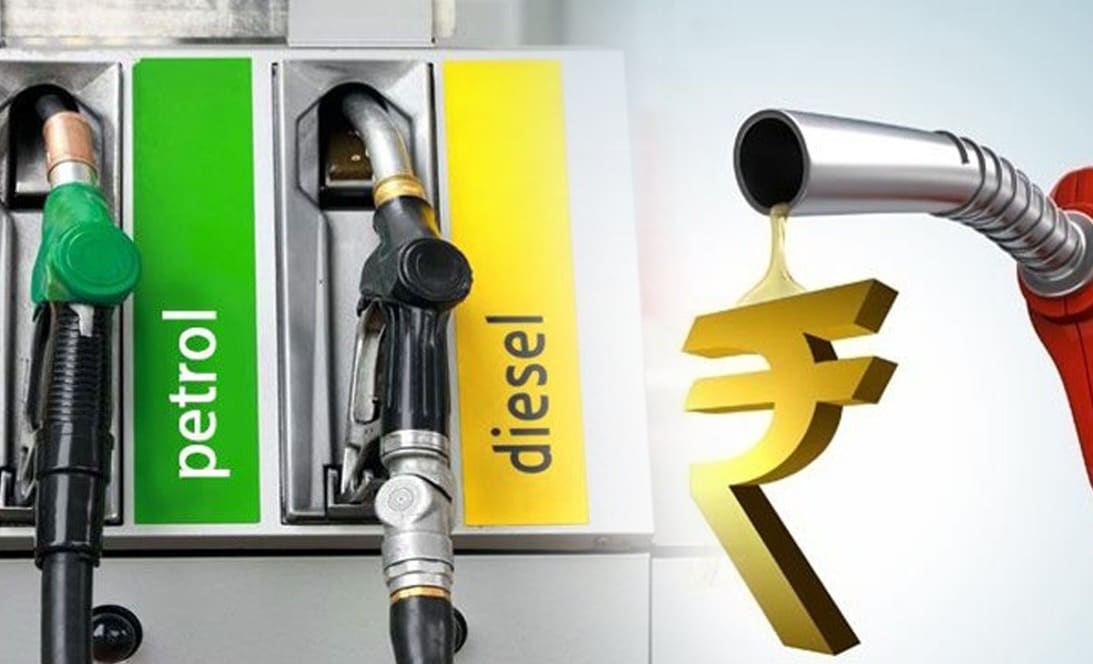
State-run oil marketing companies on Friday increased petrol and diesel prices by ₹3 per litre, marking the first major fuel price revision in nearly four years.
The move comes just days after Indian Prime Minister Narendra Modi urged citizens and companies to reduce fuel consumption and conserve foreign exchange amid rising global energy uncertainty and disruptions linked to tensions in West Asia.
Petrol and Diesel Prices Rise Across Major Cities
Following the latest revision, petrol prices in Delhi increased from ₹94.77 per litre to ₹97.77, while diesel rates climbed from ₹87.67 to ₹90.67 per litre.
Fuel prices also rose sharply in other metropolitan cities due to varying state taxes and local levies:
- Kolkata petrol price increased to ₹108.74 per litre
- Mumbai petrol price rose to ₹106.68 per litre
- Chennai petrol price climbed to ₹103.67 per litre
Diesel prices also witnessed similar increases:
- Kolkata diesel now costs ₹95.13 per litre
- Mumbai diesel price reached ₹93.14 per litre
- Chennai diesel price rose to ₹95.25 per litre
The increase officially ends a prolonged freeze on fuel price revisions maintained by state-owned oil companies over the past four years.
Why Were Fuel Prices Increased?
The price hike comes amid growing pressure on India’s energy imports due to instability in the Middle East and disruptions around the Strait of Hormuz, a critical global oil shipping route.
India remains heavily dependent on imported crude oil, making domestic fuel prices vulnerable to global supply shocks and rising international crude rates.
Earlier this week, Union petroleum minister Hardeep Singh Puri hinted that fuel prices may eventually need revision as global energy costs continue to rise.
Speaking at an industry event in New Delhi, Puri said the government would have to take a decision on petroleum pricing if global pressures persisted.
PM Modi’s Fuel Conservation Appeal
The fuel price hike follows Prime Minister Modi’s recent appeal asking citizens to adopt measures aimed at reducing fuel consumption and saving foreign exchange reserves.
The Prime Minister encouraged:
- Increased work-from-home arrangements
- Use of public transport
- Carpooling initiatives
- Reduced unnecessary travel
- Lower dependence on imported goods and fuel-intensive practices
Several companies and state governments have already responded to the appeal.
Industrialist Harsh Goenka recently announced austerity measures across the RPG Group, including encouraging remote work, reducing air travel and promoting electric vehicles.
Meanwhile, the Delhi government also introduced temporary work-from-home measures for some departments amid concerns over rising fuel costs and global supply disruptions.
Global Oil Crisis Adds Pressure
The ongoing conflict in West Asia and instability surrounding the Strait of Hormuz have pushed global oil prices higher in recent weeks.
Analysts believe continued geopolitical tensions could lead to additional pressure on fuel prices if crude oil markets remain volatile.
The Reserve Bank of India had earlier warned that prolonged disruption in global energy supplies may eventually force the government to pass on higher fuel costs to consumers.
With fuel prices now revised upward, experts say inflationary pressure on transportation, logistics and essential goods may also increase in the coming weeks.