As the festive fervour of Sharad Navratri continues, devotees across the country mark Day 5 with immense zeal, vibrant traditions, and spiritual devotion.
The fifth day of the auspicious nine-day festival is dedicated entirely to Maa Skandamata, the revered maternal form of Goddess Durga.
Significance of Maa Skandamata
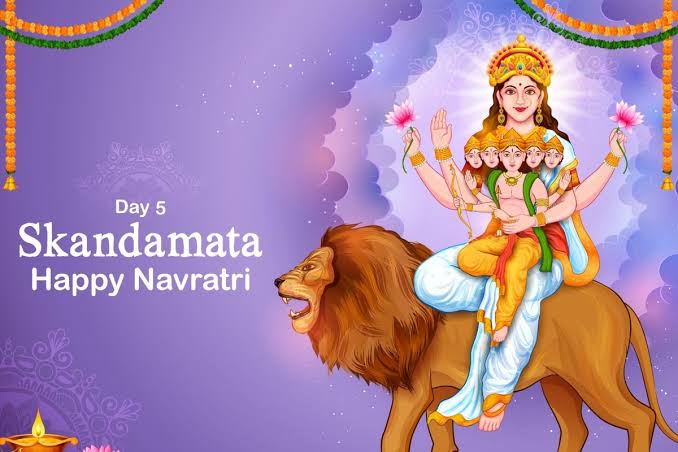
Maa Skandamata is famously known as the mother of Lord Skanda (also widely recognized as Lord Kartikeya or Murugan).
In her divine iconography, she is depicted riding a fierce lion while gently cradling infant Skanda in her lap, showcasing four arms holding lotus blooms and embodying the powerful balance of maternal affection, supreme courage, and divine protection.
Worshipping her is believed to bestow devotees with peace, prosperity, wisdom, and strength to overcome obstacles.
The Colour of the Day: Yellow
Adhering to the popular day-wise Navratri colour tradition, yellow is designated for the fifth day.
- Symbolism: Yellow radiates warmth, optimism, intellect, and creative energy.
- Celebration: Devotees incorporate the vibrant hue into their traditional attire—ranging from classic yellow sarees and elegant kurtas to festive ethnic wear—as well as floral decorations used during household and temple pujas.
Puja Vidhi and Traditional Offerings
The rituals for Day 5 involve clean, structured steps to seek the blessings of the deity:
- Purification: Cleanse the designated puja space and place the idol or portrait of Maa Skandamata
- Offerings: Light a traditional ghee lamp and incense sticks, followed by offering fresh flowers (particularly lotus blossoms, which are dear to the goddess).
- Bhog: Ripe bananas are traditionally offered as bhog to Maa Skandamata before being distributed as prasad among family members.
- Chanting: Devotees frequently recite her primary invocation mantra to invoke grace and harmony: “Om Devi Skandamatayai Namah
“Om Devi Skandamatayai Namah.”
As neighborhood pandals echo with festive chants and celebrations scale up toward the grand festivities of the later half of Navratri, homes remain filled with spiritual warmth, fasting rituals, and community joy.