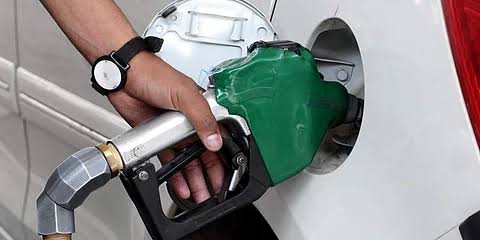
India introduced mandatory E20 petrol across all fuel stations starting today, blending 20 per cent ethanol with 80 per cent petrol.
The central government enforced the move to tackle the ongoing oil crisis and reduce dependence on crude imports. Fuel stations nationwide now supply ethanol-blended petrol, marking a significant shift in India’s energy policy.
Ethanol, produced through scientific processes from sugarcane juice, maize, spoiled potatoes, and vegetable waste, costs between ₹60 and ₹70 per litre. Petroleum dealers explained that blending ethanol creates an eco-friendly fuel option. Automobile engineers confirmed that E20 petrol does not harm vehicles. They noted that ethanol improves engine efficiency, prevents irregular combustion, enhances mileage, and reduces overheating.
Compared to regular petrol, E20 petrol emits 35 per cent less carbon monoxide, making it a cleaner alternative. However, engineers cautioned that BS-4 and BS-5 vehicles purchased before 2023 may experience a mileage drop of 3 to 7 per cent when using E20 petrol.
The Prime Minister’s announcement in Parliament intensified discussions on the mandatory rollout. He emphasised the importance of E20 petrol in addressing the oil crisis and strengthening India’s energy security.
Authorities also reminded vehicle owners that stricter Pollution Under Control Certificate (PUCC) checks will begin on April 2, reinforcing the government’s commitment to cleaner fuel and reduced emissions.