The signing of an interim peace agreement between the United States and Iran has triggered fresh debate over shifting diplomatic dynamics in South Asia and the Middle East, with Pakistan finding itself on the sidelines despite its earlier role in facilitating discussions.
The agreement, signed this week with the backing of US President Donald Trump, marked a significant step toward easing tensions in the region. However, political observers note that Pakistan’s expectations of playing a prominent role in the final stages of the process did not materialise.
Pakistan’s Early Role Fades From Spotlight
Pakistan had hosted preliminary discussions linked to the diplomatic effort earlier this year, leading many analysts to speculate that Islamabad would remain closely involved throughout the process.
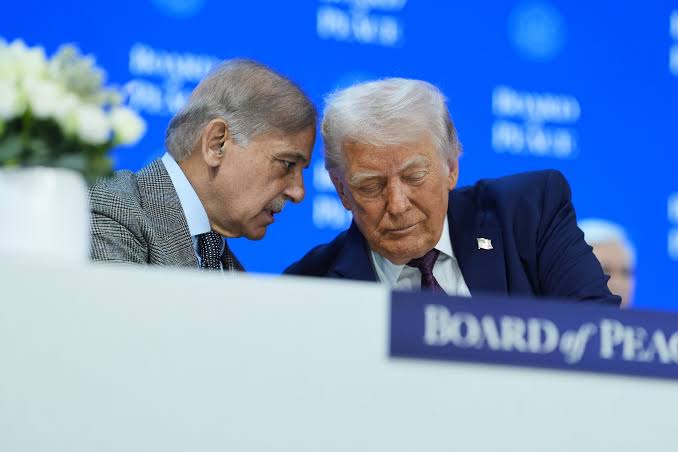
However, the final agreement was concluded without a major public role for Pakistan. Reports indicate that Pakistani leaders, including Prime Minister Shehbaz Sharif and military chief Asim Munir, were not part of the final signing process.
The development has sparked discussions within Pakistan about the risks of relying heavily on rapidly changing international political dynamics.
Modi-Trump Meeting Highlights Growing India-US Engagement
At the same time, Prime Minister Narendra Modi and President Donald Trump held discussions on the sidelines of the G7 Summit, focusing on trade, economic cooperation and regional stability.
The meeting was viewed as a positive step toward strengthening India-US relations after a period marked by trade disagreements and diplomatic challenges.
Officials from both countries indicated that efforts are underway to accelerate negotiations on a bilateral trade agreement, with further discussions expected in the coming weeks.
India Maintains Focus on Strategic Interests
India continues to support stability in West Asia, particularly regarding energy security and freedom of navigation through key maritime routes such as the Strait of Hormuz.
New Delhi has consistently advocated dialogue, diplomacy and peaceful conflict resolution while maintaining strong relationships with multiple countries in the region.
Analysts believe India’s balanced approach has enabled it to engage constructively with diverse stakeholders while safeguarding its economic and strategic interests.
Trade and Regional Stability Remain Key Priorities
The evolving geopolitical landscape highlights the importance of diplomatic flexibility and long-term strategic planning. As the United States seeks to deepen economic partnerships and stabilise regional conflicts, both India and Pakistan are recalibrating their foreign policy priorities.
For India, ongoing discussions on trade, technology, investment and security cooperation with the United States are expected to remain central to the bilateral agenda in the months ahead.