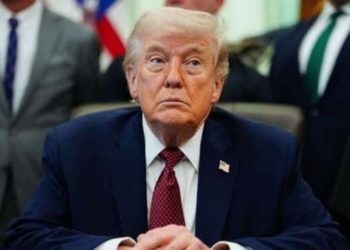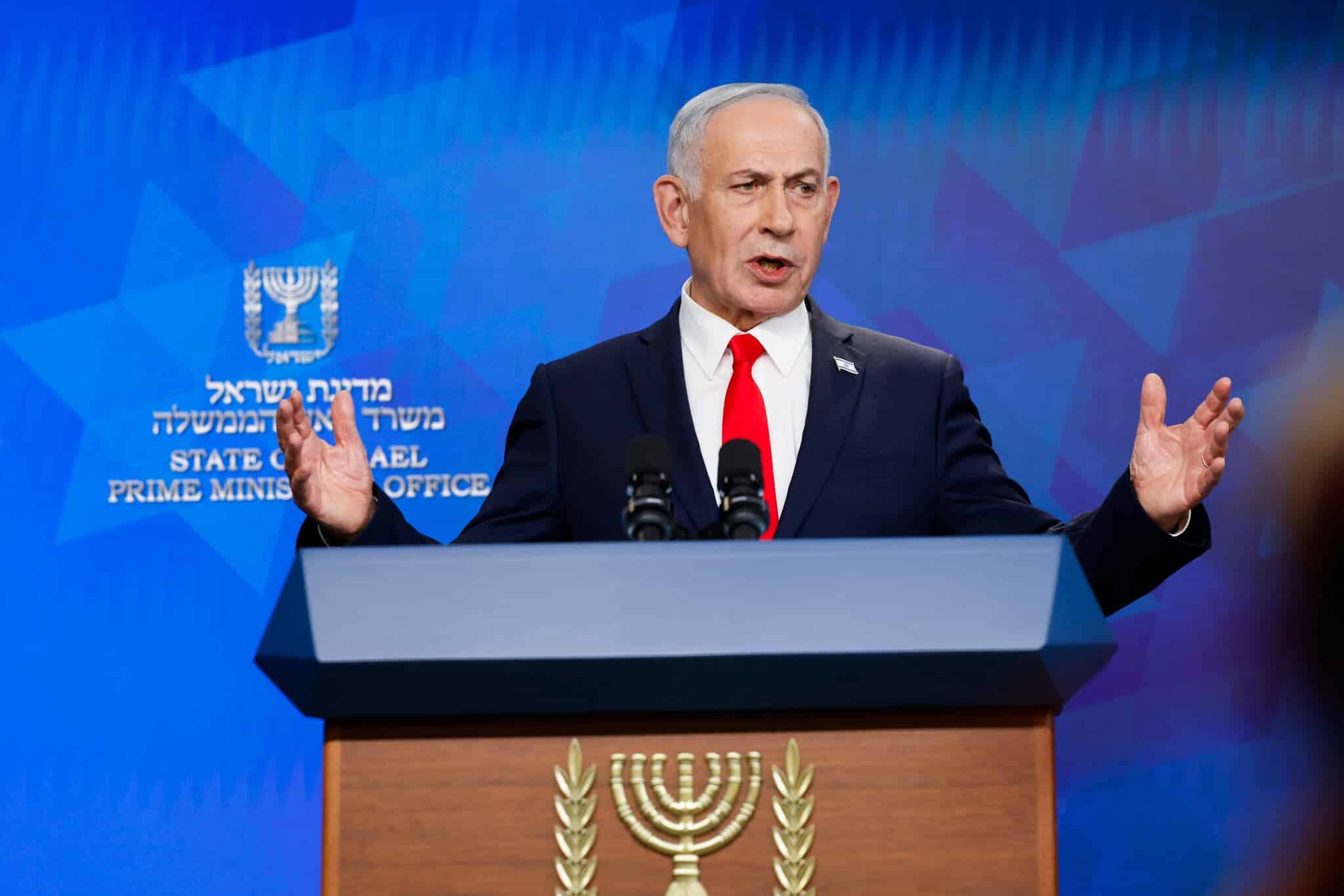
Israeli Prime Minister Benjamin Netanyahu has pushed back against comments made by US President Donald Trump, rejecting the suggestion that Israel follows Washington’s instructions and stressing that both nations make decisions based on their own national interests.
The remarks come amid growing debate over the future of US-Israel relations, the recently signed Iran agreement, and ongoing tensions in Lebanon.
Trump Claims Israel Follows His Direction
During an interview with Axios, President Donald Trump was asked whether he could influence Israeli military actions and prevent further strikes in Lebanon.
Trump responded confidently, saying that Israeli leaders respected him and generally followed his guidance.
He also described his relationship with Netanyahu as positive, while suggesting that he occasionally needed to keep the Israeli leader “a little bit sane.” Trump further claimed that Israel would struggle to maintain its position without continued American support.
The comments quickly generated discussion across political and diplomatic circles, given the long-standing strategic partnership between the United States and Israel.
Netanyahu Responds: ‘Neither Is True’
Addressing the Jerusalem News Syndicate (JNS) International Policy Summit 2026, Netanyahu firmly rejected the idea that either leader operates under the direction of the other.
The Israeli Prime Minister noted that some people in the United States believe Trump acts according to his wishes, while others in Israel claim that he follows Washington’s instructions.
According to Netanyahu, both assumptions are incorrect.
He emphasized that the United States and Israel are sovereign nations led by elected governments responsible for protecting their own interests and security priorities.
“We are leaders of independent and proud countries,” Netanyahu said, adding that while he and Trump often agree on key issues, disagreements do occur.
Strong Alliance, Different Perspectives
Netanyahu highlighted that cooperation between the two allies remains strong despite occasional policy differences.
He said both governments respect each other’s sovereignty, leadership, and commitment to their citizens.
The statement appears aimed at reassuring both domestic and international audiences that Israel’s security and foreign policy decisions remain independent, even while maintaining one of the closest strategic partnerships in the world.
Iran Deal Creates New Friction
Relations between Washington and Tel Aviv have faced fresh strain following the recent agreement between the United States and Iran.
Although the two countries previously coordinated military operations against Iran, differences emerged after Trump criticised Israel for continuing military actions in Lebanon, arguing that such moves could undermine diplomatic progress with Tehran.
The disagreement has exposed divisions within parts of Israel’s political establishment regarding the future direction of regional security policy.
JD Vance Warns Israeli Critics
US Vice President JD Vance also weighed into the debate, expressing concern over criticism of the Iran agreement from some members of Netanyahu’s cabinet.
Vance warned Israeli politicians against publicly attacking the United States, describing America as Israel’s most powerful remaining ally.
His comments reflected Washington’s growing frustration with internal opposition to the agreement and highlighted the importance the US administration places on preserving the diplomatic breakthrough.
Public Opinion Adds Pressure
Adding to the political challenge, a recent survey conducted by the Hebrew University of Jerusalem and the Agam Institute found that many Israelis believe Iran emerged stronger following the regional conflict and subsequent agreement with the United States.
The findings could increase pressure on Netanyahu as he navigates both domestic political concerns and complex regional diplomatic dynamics.
A Delicate Balancing Act
Despite occasional disagreements, the United States and Israel continue to maintain deep security, military, and diplomatic ties.
However, Netanyahu’s latest comments underscore an important message: while cooperation remains essential, both countries intend to pursue policies based on their own national priorities.
As debates continue over Iran, Lebanon, and regional stability, the relationship between Trump and Netanyahu is likely to remain one of the most closely watched partnerships in global politics.