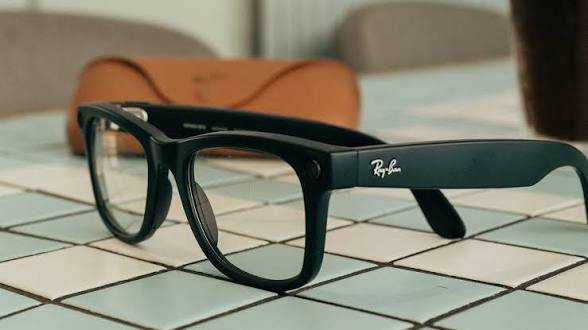
Meta is introducing a new safeguard for its AI-powered glasses that will prevent the cameras from recording if users attempt to cover the device’s recording indicator LED.
The update is aimed at addressing privacy concerns and reducing the potential misuse of smart glasses, particularly in situations where someone could try to secretly record others by obstructing the visible recording indicator.
Meta strengthens camera privacy safeguards
According to Meta, the new tamper-detection feature will stop camera recording when someone begins filming and then covers the LED.
Meta Vice President of Wearables Alex Himel said the change builds on measures announced in July that disable the glasses’ cameras when physical tampering is detected.
The company is also launching an awareness campaign to help people understand how the capture LED works and why it is important.
Why is the LED important?
Meta’s AI glasses feature a camera that can capture photos and videos while the wearer uses the device. The capture LED is designed to signal to people nearby that the camera is being used.
As AI-powered glasses become more common, Meta says it wants users and the public to be more familiar with the indicator and understand what it means when the light is active.
The company said its awareness campaign will explain the purpose of the capture LED and reinforce the idea that people should be able to recognise when the glasses are capturing a moment.
What happens if the LED is covered?
Under the new safeguard, if a person starts recording and subsequently covers the LED, the glasses will stop the camera recording.
The measure is designed to make it harder for users to deliberately conceal the recording indicator while continuing to capture footage.
It follows Meta’s broader efforts to introduce physical tamper detection for its wearable cameras.
Meta’s wider focus on AI safety
The move comes as technology companies face increasing scrutiny over the privacy implications of AI-powered devices that can capture images, record video and interact with digital assistants.
Smart glasses can be used hands-free in everyday situations, but their ability to record from the wearer’s perspective has also raised questions about consent and privacy.
Meta’s latest update seeks to address one of those concerns by making the camera indicator more difficult to bypass.
The company has also emphasised the need for greater public awareness as AI glasses become more widespread.
For Meta, the challenge is not only developing increasingly capable wearable technology but also ensuring that people around the wearer understand when that technology is being used to capture images or video.