In a major breakthrough after years of deadlock, the long-standing Mahanadi river water dispute between Odisha and Chhattisgarh is finally moving towards an amicable solution.
Odisha Advocate General Pitambar Acharya announced that both states have secured the Mahanadi Water Disputes Tribunal’s nod for mutual understanding, marking a significant shift from prolonged litigation to collaborative resolution.
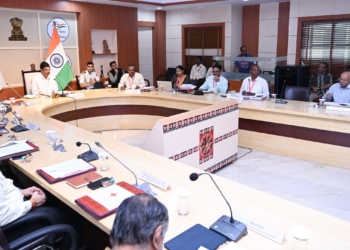
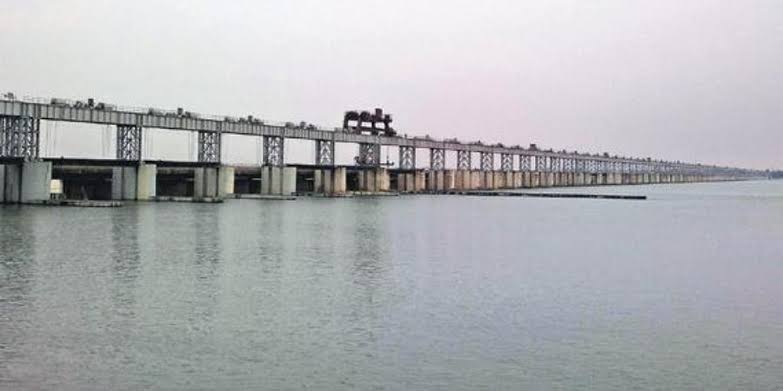
Acharya emphasised that every step is being taken to safeguard Odisha’s interests. “We are advancing towards a settlement through mutual agreement—the only practical way to resolve such disputes in the country,” he stated. He revealed that a joint technical committee from both states held 15 meetings and submitted a comprehensive, data-driven report on the river’s annual water flow and the volume available upstream of the Hirakud reservoir. The report, based on water-flow data from 1980-81 to 2018-19 and covering multiple points in the Mahanadi basin, has been approved by the Chief Ministers of both states and formally filed with the Tribunal.
The AG highlighted that no inter-state water dispute in India has ever been fully resolved through tribunal adjudication alone. “Mutual understanding is the sole effective medium,” he said, adding that while some compromises may be necessary, “Odisha’s interests will never be sacrificed.” He also criticised certain political elements for rejecting the Centre’s earlier proposal for out-of-court settlement and dragging the matter to court, which stalled progress for seven years.
The development comes weeks after the joint technical committee’s meeting on April 24, where both sides reached consensus on key hydrological data. The Tribunal has now welcomed the states’ joint proposals and given its consent for an out-of-court resolution process.
However, not everyone is celebrating the breakthrough. The Mahanadi Bachao Andolan has written to Chief Minister Mohan Charan Majhi, demanding an urgent meeting to scrutinise the data submitted to the Tribunal. The Andolan claims the figures do not reflect ground reality and fail to account for the severe water crisis in Hirakud caused by numerous upstream dams built by Chhattisgarh. Activist leader Sudarshan Das has given the government until May 20 to hold discussions, warning that failure to do so will trigger a peaceful satyagraha in front of the Chief Minister’s residence.
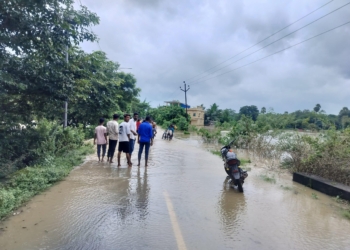
The Andolan’s protest underscores a deeper concern: while official data suggests adequate water availability in the Mahanadi, farmers and residents in downstream Odisha continue to face acute shortages, especially during lean seasons.