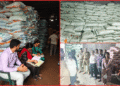
An atmosphere of apprehension has gripped Bhubaneswar’s Jharpada Special Jail after authorities confirmed that eight inmates are HIV positive, triggering urgent health safeguards inside the high-security facility.
The development came to light following the medical screening of a woman arrested by the Mahila Police Station in a POCSO case involving the sexual assault of a minor. During her routine health check-up upon admission to the jail, she tested HIV positive. Jail authorities immediately informed the Bhubaneswar Special POCSO Court and the Deputy Commissioner of Police (DCP) about the case.
According to jail sources, the number of HIV-positive inmates in Jharapada Special Jail now stands at eight. The discovery has created palpable fear among other prisoners about possible transmission, prompting the administration to act swiftly and decisively.
To contain any risk of spread, HIV-positive inmates have been shifted to special isolated cells. The jail is now conducting regular counselling sessions for affected inmates while running widespread health awareness programmes across the facility. Doctor-led medical camps are being organised to educate prisoners on prevention methods and the importance of following medical protocols.
Newly admitted prisoners undergo comprehensive medical tests, including screenings for infectious diseases, right at the time of entry.
Jharapada Jail Superintendent Sarbeswar Sahu clarified that informing the court and police about prisoners’ health conditions is a standard procedure aimed at preventing future complications. “We have placed HIV-positive inmates in separate cells and are conducting regular counselling along with health awareness drives. Doctor camps are being held to spread correct information about prevention. Our focus is to ensure the safety of everyone inside the jail,” Sahu said.
He appealed to all inmates not to panic and urged them to strictly follow doctors’ instructions and necessary precautions to stop any possible transmission.HIV spreads mainly through unprotected sexual contact with an infected person, sharing of contaminated needles or syringes, transfusion of infected blood, or from an HIV-positive mother to her child. Prison authorities are taking every possible step to break these transmission chains inside the facility.
The proactive measures at Jharapada Special Jail reflect growing emphasis on health management and prisoner welfare in Odisha’s correctional system.