Odisha Chief Minister Mohan Charan Majhi has voiced serious concern over the plight of numerous Odia citizens stranded in the Middle East amid the ongoing war in the region.
The escalating conflict has disrupted air travel, leading to flight cancellations and border restrictions, leaving migrant workers, professionals, tourists, and others in precarious positions.
Emphasising the priority of bringing back every Odia safely, CM Majhi has directed the Chief Secretary to closely monitor the developing situation and take all necessary measures for their evacuation and repatriation.
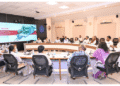
A high-level meeting was convened on March 2 under the chairmanship of Chief Secretary Anu Garg, following the CM’s instructions. During the meeting, Pritish Panda, Special Duty Officer (OSD) under the Odisha Language, Literature and Culture Department’s Odisha Paribar Directorate, was appointed as the Nodal Officer to coordinate efforts.
The Odisha Paribar Directorate has received nearly 200 calls from Odias in the Middle East seeking assistance. The directorate is actively liaising with the Ministry of External Affairs (MEA) to facilitate their safe return. The MEA has established a dedicated control room and issued a toll-free helpline **1800-118-797**, operational from 9 AM to 9 PM, along with additional numbers: +91 11 2301 2113, +91 11 2301 4104, and +91 11 2301 7905.
Coordination is also underway with Odia associations in Dubai, Abu Dhabi, and Bahrain to gather real-time information on the ground situation.
Notably, 35 Odia tourists were stranded in Dubai earlier this month. Of them, 9 returned via Kochi on March 7, while the remaining safely reached Bhubaneswar on March 8 through a special Air India Express flight from Mumbai.
According to updates from the Ministry of External Affairs, over 65,000 Indian nationals have already been evacuated from the Middle East via special flights as of the latest reports.
The state government continues to work in close coordination with the central authorities to ensure no Odia is left behind in the conflict zone, with ongoing monitoring and support mechanisms in place.
Families and affected individuals are urged to contact the designated helplines for assistance.