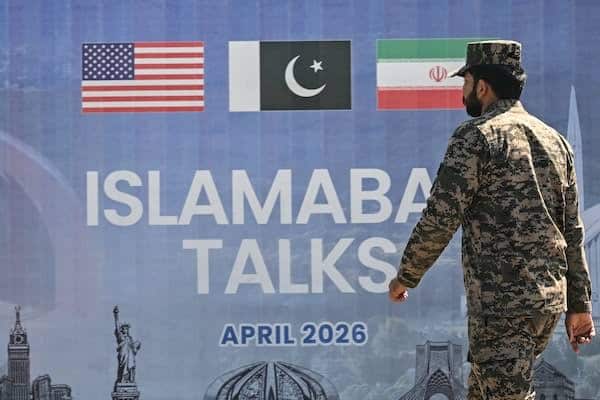
After over 40 days of intense conflict, the United States and Iran are now preparing for a possible exit from the war, with fresh negotiations expected to resume in Islamabad.
Donald Trump has indicated that talks could restart soon, signaling a shift toward diplomacy as both nations face rising economic and military fatigue.
Strait of Hormuz Remains Central Issue
A key objective for the US is ensuring free navigation through the strategically vital Strait of Hormuz, a crucial route for global oil supply.
Despite tensions, Iran has avoided direct retaliation against US naval blockades, suggesting a willingness to negotiate under pressure. Continued disruption in the region has already impacted global energy markets, including major economies like China.
Iran’s Nuclear Position and Global Agreements
Iran remains a signatory to the Nuclear Non-Proliferation Treaty as a non-nuclear weapon state. It had also committed to limiting nuclear development under the Joint Comprehensive Plan of Action.
However, recent US and Israeli airstrikes have reportedly caused severe damage to Iran’s nuclear infrastructure, delaying any potential nuclear capability for years.
Pakistan’s Strategic Diplomatic Opportunity
Interestingly, Pakistan is emerging as a potential diplomatic winner in the crisis. By hosting peace talks, it is attempting to reposition itself globally as a mediator rather than a destabilizing force.
This shift could help Pakistan strengthen ties with Gulf nations such as Saudi Arabia and Qatar, while also improving its standing with global powers.
India Monitoring Regional Developments Closely
Narendra Modi recently held discussions with Donald Trump, emphasizing shared concerns over Iran’s nuclear ambitions and regional stability.
India is expected to closely monitor Pakistan’s growing diplomatic leverage, especially as geopolitical alignments in the Middle East continue to evolve.
Fragile Peace Likely Despite De-escalation
While both sides may claim victory, the peace is expected to remain fragile. Iran’s leadership is unlikely to shift its ideological stance, and tensions with the US and Israel may continue through indirect or covert actions.
Experts believe the US could push for a long-term agreement—possibly up to 20 years—to ensure Iran stays away from nuclear weapons, though Tehran may resist such extended commitments.