The Saudi-Houthi conflict intensified on Wednesday as Yemen’s Houthi forces claimed they had shot down a Saudi fighter jet, while denying Saudi Arabia’s allegation that the group had launched a drone towards Mecca.
Saudi authorities said their air defences intercepted a Houthi drone south of Mecca before it entered the restricted airspace over the holy city. Saudi coalition spokesman Turki al-Malki described the security of Mecca as a “red line”. Houthi official Hazem al-Assad rejected the allegation, calling it a “worn-out lie”.
13 Injured In Houthi Attacks
According to the Saudi-led coalition, 13 people were injured in Houthi missile and drone attacks targeting Khamis Mushait, Abha and Taif.
The attacks also damaged seven homes and two vehicles, according to the coalition. Saudi authorities subsequently issued alerts across several regions.
The latest attacks come amid a broader escalation between the Houthis and Saudi-backed forces in Yemen following months of relative calm.
Houthis Claim Saudi Fighter Jet Was Shot Down
The Houthis claimed on Wednesday that their forces had shot down a Saudi fighter jet as fighting intensified.
The claim comes amid increased military activity in Yemen and renewed attacks involving missiles and drones. Battlefield claims from the warring sides have not been independently verified.
The Houthis have also claimed responsibility for attacks inside Saudi Arabia, while Saudi Arabia has continued air operations against Houthi-held areas in Yemen.
Houthi Forces Make Gains Near Red Sea
The Houthis have reportedly made gains along Yemen’s western coastline, including areas around the strategic port of Mokha and territory near the Bab el-Mandeb Strait.
The developments have raised concerns over shipping through the strategic waterway, which connects the Red Sea with the Gulf of Aden and is an important route between Europe, Asia and the Middle East.
The Bab el-Mandeb has gained further significance amid disruption to shipping through the Strait of Hormuz.
Saudi Arabia Seeks Wider Regional Support
Saudi Crown Prince Mohammed bin Salman met Egyptian President Abdel-Fattah el-Sissi in Cairo as Riyadh sought wider regional support amid the escalation.
Saudi Arabia and Egypt stressed the importance of protecting navigation through the Red Sea and Bab el-Mandeb. Egypt has significant economic interests in the security of the waterway because disruption to shipping can affect traffic and revenues linked to the Suez Canal.
Saudi Oil Infrastructure Under Pressure
The renewed conflict has also raised concerns about Saudi Arabia’s oil infrastructure and export routes.
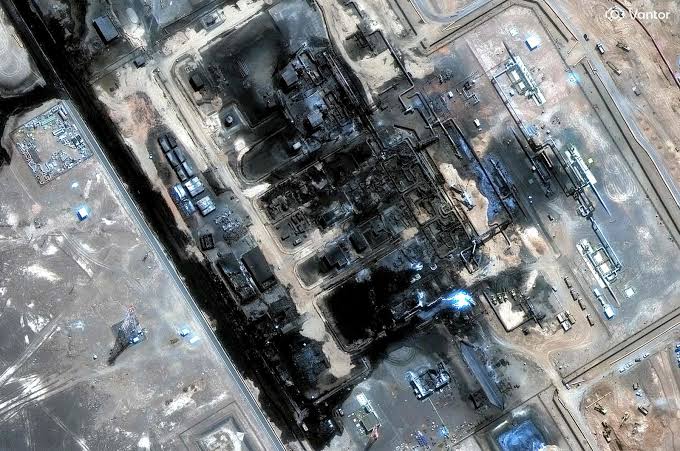
Saudi Arabia’s East-West oil pipeline, which stretches about 1,200 km from the kingdom’s eastern oil-producing region to the Red Sea, was damaged in a separate attack that Riyadh blamed on an Iran-aligned group based in Iraq.
The pipeline provides Saudi Arabia with an alternative route for exporting oil without relying entirely on the Strait of Hormuz.
How The Saudi-Houthi Conflict Escalated Again
Saudi Arabia has led a coalition fighting the Houthis since 2015. Large-scale fighting eased after a UN-brokered truce in 2022, although the conflict was not formally resolved.
Fighting later resumed, with clashes intensifying in recent months as Houthi forces and forces aligned with Yemen’s internationally recognised government fought for control of territory.
The latest escalation has now extended beyond Yemen, with missile and drone attacks reported inside Saudi Arabia and growing concerns over the security of major Red Sea shipping routes.
Several claims about battlefield developments and the scale of military operations remain unverified.