
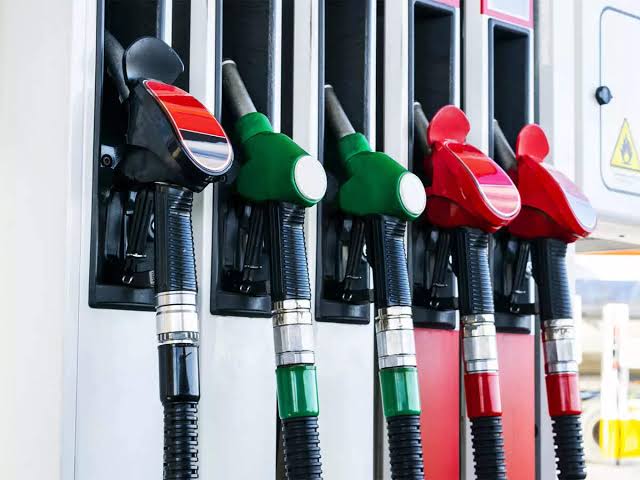
Pakistan has announced a steep increase in fuel prices, with petrol nearing PKR 460 per litre and diesel witnessing a massive surge of over 54%.
The move comes as the country struggles to manage the economic impact of rising global crude oil prices triggered by the ongoing US–Iran conflict.
According to official data, diesel prices have been raised by 54.9% to PKR 520.35 per litre, while petrol prices have increased by 42.7% to PKR 458.40 per litre. Kerosene prices have also been revised upward significantly.
Why Fuel Prices Are Rising
Pakistan’s petroleum minister, Ali Pervaiz Malik, stated that the hike was unavoidable due to the sharp increase in international oil prices.
The crisis has been largely driven by disruptions in the Strait of Hormuz, a critical global oil transit chokepoint. The ongoing conflict has restricted the movement of oil tankers, tightening supply and pushing prices higher worldwide.
Pakistan, which heavily depends on oil imports from Gulf countries such as Saudi Arabia and United Arab Emirates, has been particularly vulnerable to these disruptions.
Government Adjusts Taxes and Subsidies
To manage the economic shock, the government has revised fuel levies:
- Petrol levy increased to PKR 160 per litre
- Diesel levy reduced to zero
Officials stated that continuing subsidies was no longer financially viable. The government had already spent around PKR 129 billion on fuel subsidies in recent weeks.
Second Major Price Hike in a Month
This marks the second significant fuel price increase in less than a month. In March, prices had already been raised by around 20%, highlighting the intensifying pressure on Pakistan’s economy.
Authorities indicated that limited financial resources and prolonged global instability left them with no alternative but to pass on the burden to consumers.
Impact on Economy and Citizens
The sharp increase in fuel prices is expected to:
- Drive inflation higher
- Increase transportation and food costs
- Put additional pressure on households and businesses
- Slow economic recovery
As fuel costs rise, everyday expenses—from commuting to essential goods—are likely to become more expensive.
Regional Context: Energy Crisis Spreads Across Asia
The impact of the global oil crisis is not limited to Pakistan. Several Asian countries dependent on Middle Eastern oil are facing similar challenges due to supply disruptions and rising crude prices.
While India has taken steps such as reducing excise duties and promoting alternative fuels, Pakistan’s financial constraints have limited its ability to cushion the impact.
Outlook: Uncertainty Continues
With no clear resolution in sight for the US-Iran tensions, fuel prices are expected to remain volatile. Analysts warn that further disruptions in global supply chains could lead to additional price hikes in the coming weeks.