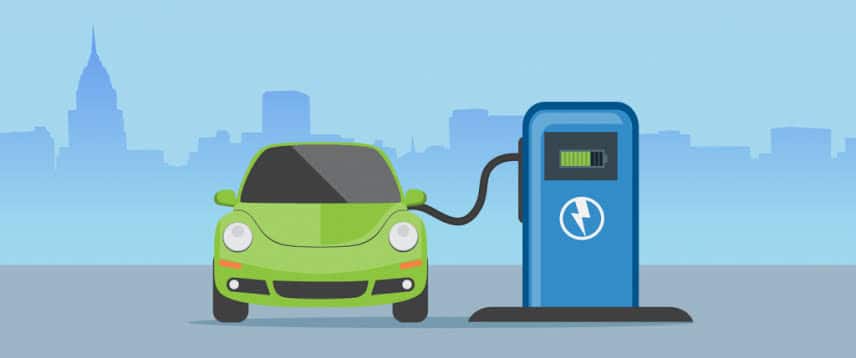
The Odisha government has unveiled an ambitious plan to bolster its green mobility framework by proposing the installation of 190 new public electric vehicle (EV) charging stations.
This initiative, organized under the central government’s PM E-DRIVE scheme, aims to accelerate EV adoption and eliminate range anxiety across six major urban hubs in the state.
Strategic Expansion Across Six Key Cities
The proposed infrastructure will be concentrated in high-traffic zones to ensure maximum accessibility for EV owners. The state transport department has submitted a formal proposal to the Ministry of Heavy Industries, targeting the following strategic locations:
- Bhubaneswar and Cuttack (The Twin Cities)
- Puri (Religious and Tourism Hub)
- Angul and Kalinganagar (Industrial Corridors)
- Balasore (Commercial Center)
By focusing on these specific regions, the government aims to create a “charging spine” that supports both intra-city commuting and inter-city travel.
Collaborative Implementation with BHEL
To ensure technical excellence and timely execution, Bharat Heavy Electricals Limited (BHEL) has been appointed as the project implementing agency. High-level coordination meetings involving the Ministry of Heavy Industries and state transport officials, including Transport Secretary NBS Rajput and Commissioner Amitabh Thakur, have already commenced. Currently, BHEL is conducting comprehensive site surveys to evaluate technical feasibility before final sanctions are issued.
Strengthening the PM E-DRIVE Vision
This expansion is a critical component of the PM Electric Drive Revolution (PM E-DRIVE) scheme. Launched with a massive budget of ₹10,900 crore, the scheme allocates ₹2,000 crore specifically for public charging infrastructure.
With approximately 100 existing stations currently operational in Odisha, this new project will nearly triple the state’s capacity. This move aligns with the broader national goal of phasing out internal combustion engines in favor of sustainable, zero-emission alternatives, effectively addressing the “range anxiety” that often hinders potential EV buyers.