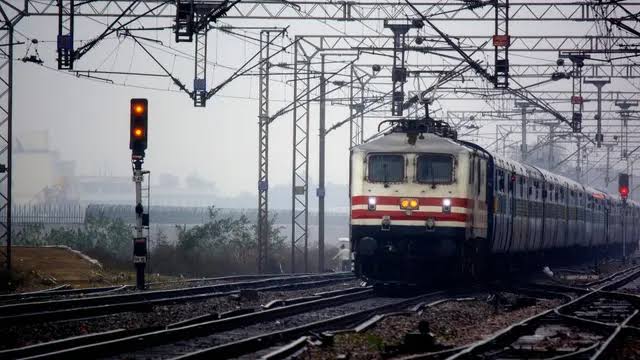
In a significant boost to India’s railway infrastructure, the government has approved a high-density rail corridor along the Howrah–Chennai network.
The project places Odisha at the centre of a major connectivity upgrade, aiming to ease congestion and improve both passenger and freight movement across one of the country’s busiest rail routes.
Project Overview and Key Route
The proposed corridor will pass through key districts in Odisha, including Balasore, Bhadrak, Jakhapura, Haridaspur, Cuttack, Bhubaneswar, Khorda and Berhampur.
Designed as a four-line high-density track system, the corridor will significantly improve operational efficiency and reduce delays caused by heavy traffic on the existing route.
Reduced Congestion and Improved Passenger Experience
The new railway corridor is expected to ease congestion, especially in major urban hubs like Bhubaneswar and Cuttack, where rail traffic is currently intense.
Passengers can expect smoother train operations, reduced travel time, and better connectivity between key regions along the eastern coast.
Boost to Trade, Logistics, and Industry
Beyond passenger benefits, the project will strengthen logistics and trade networks. Odisha’s strategic location near ports and mineral-rich zones makes it a critical link in India’s supply chain.
The corridor will also connect to major ports in Andhra Pradesh, including Kakinada, Machilipatnam and Gangavaram, enabling faster cargo movement and supporting industrial growth.
Massive Infrastructure Development
The scale of the project highlights its importance in India’s infrastructure expansion. Key components include:
- 3 mega bridges
- 58 major bridges
- 416 minor bridges
- 73 underpasses
- 3 flyovers
- A 2.7-km elevated railway line
The corridor will span approximately 458 km, generating employment opportunities during construction and enhancing long-term regional connectivity.
Sustainability and Environmental Impact
The project aligns with sustainable transport goals, with estimates indicating a reduction of nearly 51.5 crore kilograms of carbon dioxide emissions annually.
By shifting freight traffic from road to rail, the initiative is expected to reduce fuel consumption and lower the overall carbon footprint.