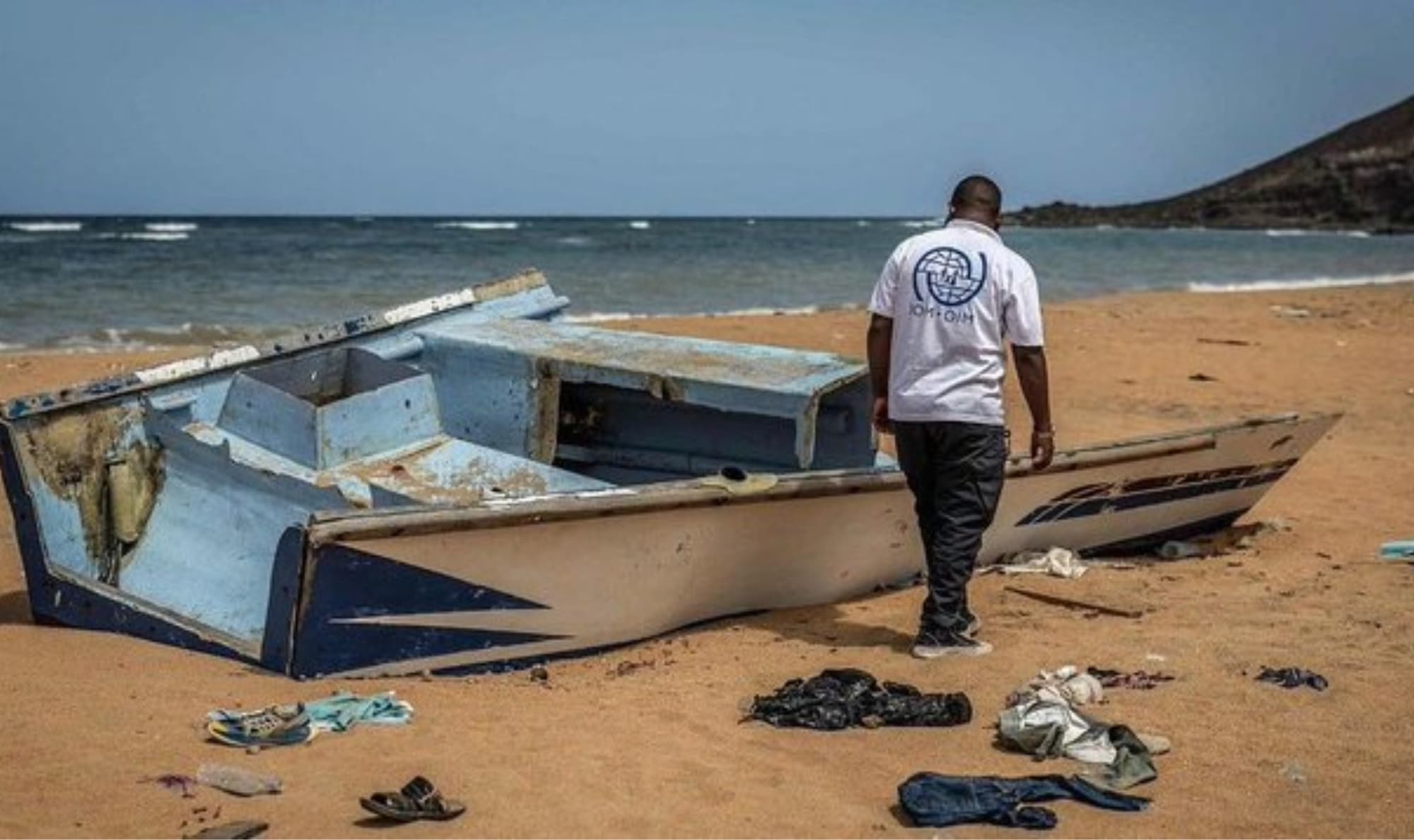
At least 109 migrants, including 15 children, have died and approximately 116 remain missing after a vessel carrying over 300 passengers capsized off the coast of Djibouti.
The tragic disaster occurred overnight between October 8 and 9 near Guhere, north of the coastal town of Obock, as the vessel attempted a dangerous sea crossing toward Yemen.
A Grim Toll Among the Victims
Search and rescue teams have recovered 109 bodies from the water. The International Organisation for Migration (IOM) confirmed that the deceased include:
-
52 adult men
-
42 adult women
-
15 children (nine girls and six boys)
More than 80 passengers managed to survive the shipwreck, all of whom are Ethiopian nationals. The IOM’s Migrant Response Centre (MRC) in Obock is currently providing emergency medical care, temporary shelter, food, psychosocial support, and family-reconnection services to 64 survivors.
“This is a devastating loss of life. Our thoughts are with the survivors and the families who have lost loved ones or remain without news of their relatives,” said Alexandre Coissac, IOM Chief of Mission in Djibouti. “Our teams are on the ground alongside local authorities to provide emergency assistance. This tragedy is a stark reminder of the dangers faced by migrants along this migration corridor as they seek economic opportunities.”
A Perilous Migration Corridor
Djiboutian authorities continue search-and-rescue operations off the coast while arranging dignified burials for those recovered. The tragedy highlights the extreme risks faced along the Eastern Migration Route, where hundreds of thousands of people travel through Djibouti and across the Bab el-Mandeb Strait toward the Gulf States annually.
According to the IOM, more than 20,000 crossings from Ethiopia into Djibouti were detected in less than a month. In 2025 alone, over 900 migrants died or went missing along the maritime route to Yemen as total attempt numbers surged by 18 per cent. Local and international humanitarian agencies continue to call for safer pathways and stronger protection mechanisms to prevent further loss of human life.