India and China have emerged as the primary targets of a sweeping US sanctions bill aimed at increasing pressure on Russia over its war in Ukraine, with Republican Senator Roger Wicker describing the two countries as the “main culprits” for continuing to purchase large volumes of Russian oil and gas.
Speaking after the US Senate voted 86-12 to advance the Lindsey O. Graham Sanctioning Russia and Iran Act of 2026, Wicker said the legislation was deliberately designed to target countries that continue to finance Russia’s energy exports while avoiding penalties for America’s allies.
“It is carefully crafted to make sure we are not hitting our allies and that we are hitting China and India,” Wicker said during a press briefing. He added that both countries purchase the majority of Russia’s energy exports and were helping sustain Moscow’s war economy.
“Let’s be really blunt. China and India are the main culprits here. They purchase the vast majority of oil and gas, they are fuelling Russia’s war machine and they are doing us no favours anywhere else in the world,” the senator said.
The procedural vote came shortly after Ukrainian President Volodymyr Zelensky visited Washington, where he met US President Donald Trump and urged stronger measures against Russia. Zelensky also attended the funeral of late Senator Lindsey Graham, one of Ukraine’s strongest supporters in the US Congress and co-author of the sanctions bill.
Apart from India and China, the legislation also identifies Slovakia, Hungary and Azerbaijan among the largest buyers of Russian energy that could face additional trade measures.
The Senate’s cloture vote marks a significant legislative milestone by limiting debate and allowing the bill to move toward a final vote. While the measure is widely expected to secure Senate approval, it could face resistance in the House of Representatives, where some lawmakers have expressed concerns over expanding presidential tariff powers.
Senior Democratic lawmakers, including House Ways and Means Committee Ranking Member Richard Neal and Senate Finance Committee Ranking Member Ron Wyden, criticised the proposal, arguing that granting additional tariff authority could lead to unpredictable trade policies and higher costs.
The proposed legislation seeks to impose primary and secondary sanctions on Russia, targeting government officials, financial institutions, oligarchs, their family members and entities accused of helping Moscow evade existing sanctions. It also focuses on the so-called Russian “shadow fleet” used to transport oil outside Western restrictions.
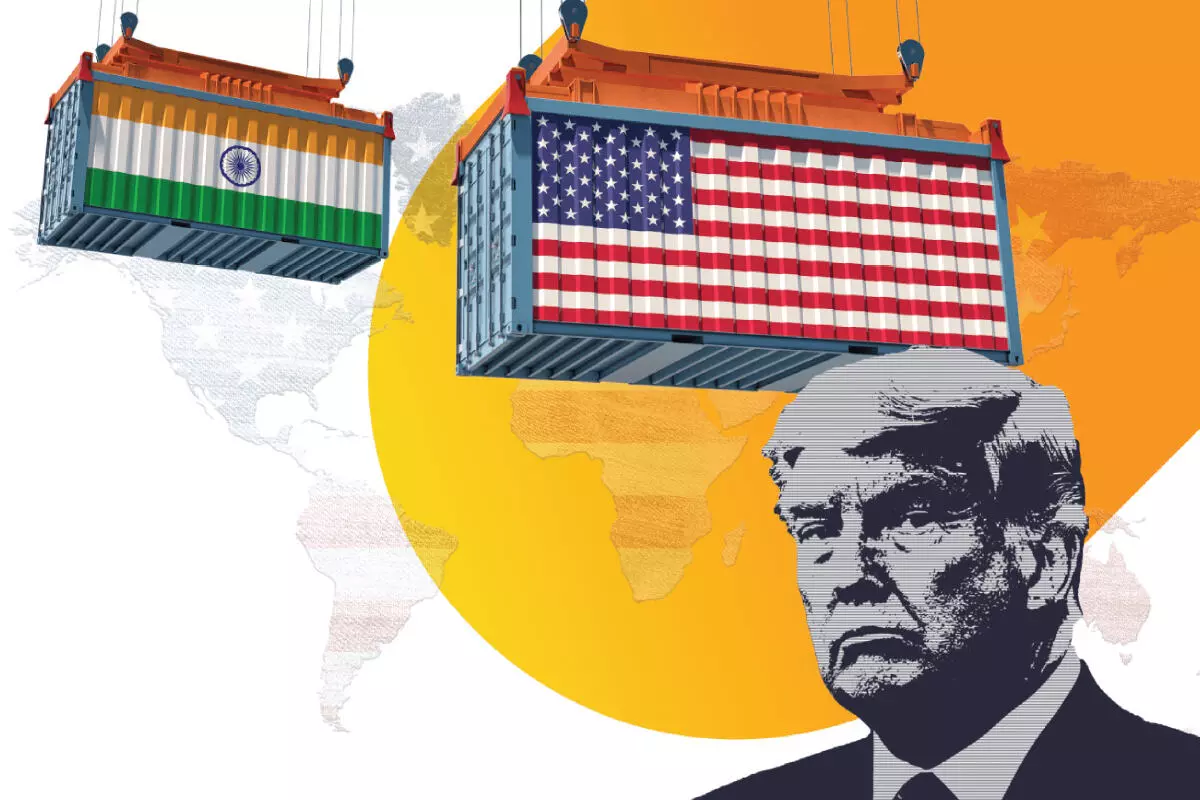
A key provision of the bill authorises the US President to impose additional tariffs of up to 100% on imports from countries that remain among the world’s largest buyers of Russian oil and natural gas or are found to facilitate sanctions evasion.
For India, the development comes amid ongoing trade negotiations with Washington. New Delhi remains the world’s second-largest importer of Russian crude oil after China, with Russian supplies becoming a major part of India’s energy mix following disruptions in global oil markets.
If enacted, the sanctions bill could have significant implications for India-US trade relations, energy security and diplomatic ties, particularly as both countries continue discussions on a broader bilateral trade agreement.