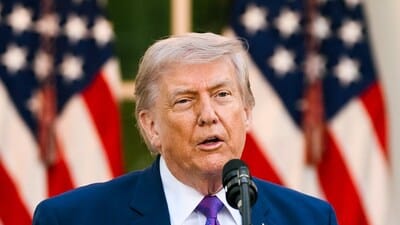
US President Donald Trump has reportedly requested significant changes to a proposed agreement being negotiated between the United States and Iran, with tougher conditions related to Tehran’s nuclear program and the reopening of the strategically important Strait of Hormuz.
According to multiple reports, Trump reviewed the proposed framework during a two-hour meeting with his national security team in the White House Situation Room on Friday. Following the discussions, US officials reportedly sent a revised proposal back to Iranian negotiators for consideration.
Key Issues Under Negotiation
The revised framework is said to focus on two major areas that remain unresolved between Washington and Tehran.
The first concerns Iran’s enriched uranium stockpile and the future handling of nuclear material. Reports suggest the Trump administration wants more detailed provisions regarding oversight, transfer procedures, and implementation timelines.
The second issue involves the reopening and security arrangements surrounding the Strait of Hormuz, one of the world’s most important maritime trade routes and a critical passage for global energy supplies.
Officials familiar with the negotiations indicated that the administration wants stronger language and more specific commitments before a final agreement can be reached.
Trump Signals Optimism About Deal
Despite seeking tougher conditions, Trump has continued to express confidence that an agreement can be achieved.
Speaking publicly, the US president said both sides were moving closer to a deal that could bring stability to the region and permanently address concerns over Iran’s nuclear ambitions.
Trump has repeatedly emphasized that preventing Iran from obtaining nuclear weapons remains a central objective of the negotiations.
Iran Yet to Approve Final Terms
Iranian officials have reportedly rejected suggestions that a final agreement has already been reached, maintaining that discussions remain ongoing.
While both sides are said to have agreed to continue observing a temporary ceasefire arrangement, several critical issues remain under negotiation.
Diplomatic sources expect Iran to review the revised US proposal and provide a response within the coming days.
Strait of Hormuz Remains Critical
The Strait of Hormuz continues to play a central role in the negotiations due to its strategic importance for global trade and energy markets.
Any agreement that ensures uninterrupted navigation through the waterway would likely be welcomed by international markets and regional partners concerned about disruptions to oil shipments.
Analysts note that long-term stability in the Strait remains a key objective for both regional and global stakeholders.
Future of the Negotiations
The latest revisions requested by Trump could extend negotiations as both sides work through remaining disagreements.
However, diplomatic observers believe the ongoing dialogue indicates that Washington and Tehran remain interested in reaching a broader understanding that could reduce tensions and establish a framework for future engagement.
With several major issues still unresolved, the coming days are expected to be crucial in determining whether the negotiations move toward a final agreement or face further delays.