Odisha is rapidly strengthening its power transmission network to deliver reliable, high-quality electricity across the state and support industrial growth.
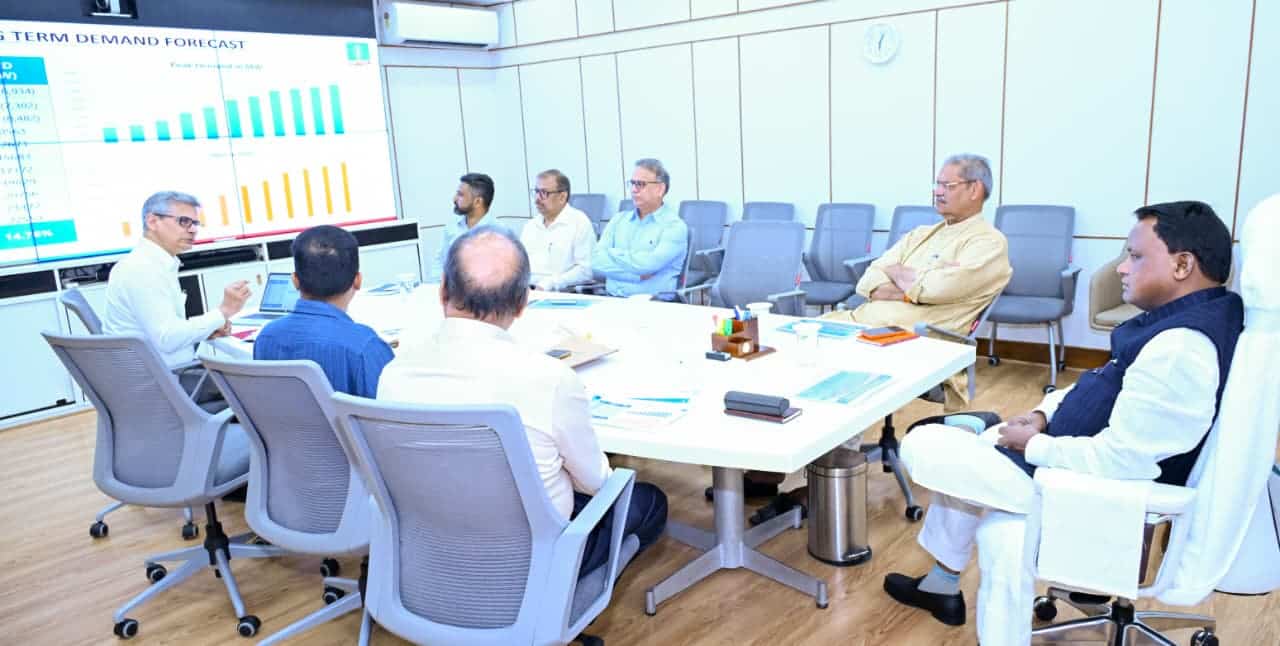
Chief Minister Mohan Charan Majhi on Wednesday reviewed key projects and future proposals of the Energy Department at Lok Seva Bhawan.
In the last two years alone, the state has commissioned 15 new grid substations, taking the total number of operational grid substations to 210. During the same period, 788.99 circuit kilometres of transmission lines have been laid, significantly boosting the capacity and reach of the power network.
The Chief Minister stressed the government’s commitment to providing quality electricity to every corner of Odisha by 2030. To ensure uninterrupted supply and meet the demands of rapid industrialisation, work is underway on a robust 765 kV grid ring system.
Two 765/400 kV substations are already operational in Angul and Sundargarh. Construction is in progress for two more at Gopalpur and Paradip, while plans have been finalised for three additional 765/400 kV substations at Kolabira, Duburi, and Betakholi near Athagarh.On the 400 kV front, five substations are currently functional, four are under construction, and two are at the tender stage. The state has also prepared plans for nine more 400 kV grid substations. Once these become operational, power shortages in Odisha are expected to become a thing of the past.
Modernisation of existing grid infrastructure is also being prioritised. With nearly 590 industrial projects expected to come up by 2030-31, the government has outlined power projects worth ₹16,000 crore to meet the growing demand from industries and consumers.
Deputy Chief Minister and Energy Minister Kanak Vardhan Singh Deo, Development Commissioner D.K. Singh, Additional Chief Secretary to the Chief Minister Saswata Mishra, Additional Chief Secretary (Energy) Vishal Dev, OPTCL CMD Bhaskar Jyoti Sharma, and other senior officials were present at the review meeting.
The focused push on high-voltage transmission infrastructure signals Odisha’s determination to build a future-ready power grid that supports both household needs and large-scale industrial development.