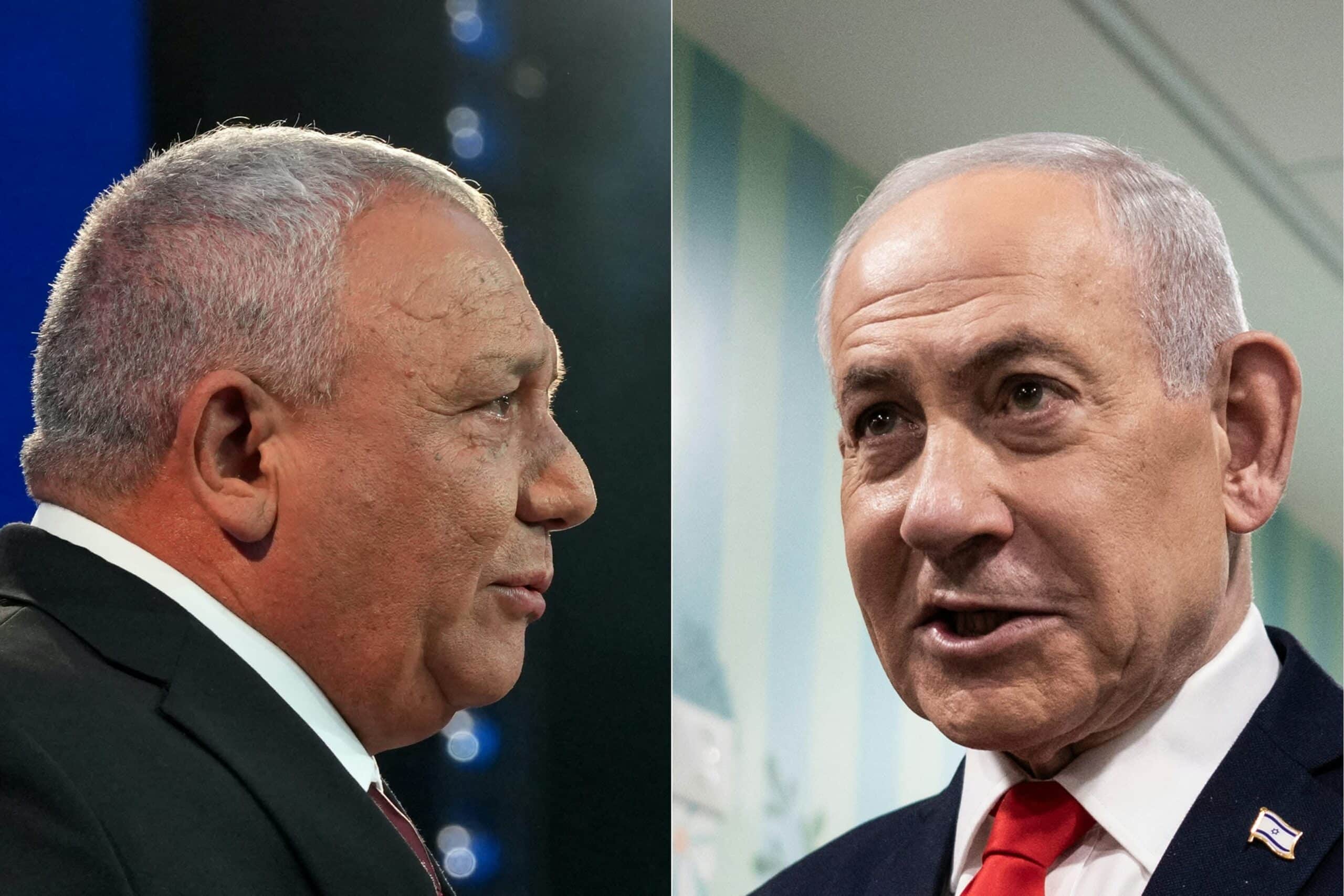
In a major political shift following Israel’s latest general election, Yashar party leader and former IDF Chief of Staff Gadi Eisenkot has secured formal backing from Arab political factions, positioning him to lead the country’s next coalition government over incumbent Prime Minister Benjamin Netanyahu.
On Thursday, November 5, 2026, the Joint List—an alliance of Arab-led political factions—announced it would formally recommend Eisenkot during ongoing government formation consultations with President Isaac Herzog.
Arithmetic Advantage in the 120-Seat Knesset
With Arab-led parties capturing a historic 19 seats in parliament, the endorsement alters coalition dynamics:
- Eisenkot’s Tally (67 Seats): Combined with earlier support pledged by Mansour Abbas’s Arab-led Ra’am party (8 seats) and the Joint List (11 seats), Eisenkot is set to gather 67 recommendations in the 120-seat Knesset—well clear of the 61-seat threshold required for a working majority.
- Netanyahu’s Tally (58 Seats): Incumbent Prime Minister Benjamin Netanyahu’s Likud-led bloc currently commands 58 recommendations, leaving him trailing in the mandate race.
- Orthodox Defections: Netanyahu’s position was further weakened after Degel HaTorah—controlling four of United Torah Judaism’s seven seats—refused to recommend either candidate due to disputes over Haredi military draft exemption legislation.
Coalition Pragmatism Over Prior Stances
The Joint List and Ra’am endorsements come despite prior public reservations:
- Shift in Strategy: Eisenkot had previously stated in September that he did not foresee Arab or ultra-Orthodox parties joining his government over foundational coalition principles. However, anti-Netanyahu consolidation has brought the blocs into alignment.
- Presidential Consultations: President Isaac Herzog has initiated formal talks with party leaders to assign the coalition mandate, urging all factions to establish a stable government to face regional diplomatic and security challenges.
Once officially tasked by President Herzog, the appointed prime minister-designate will have 28 days to finalize the coalition cabinet, with a potential 14-day extension permitted before new elections are triggered.