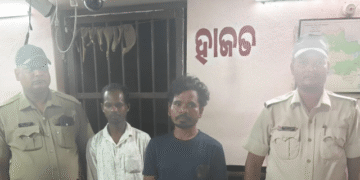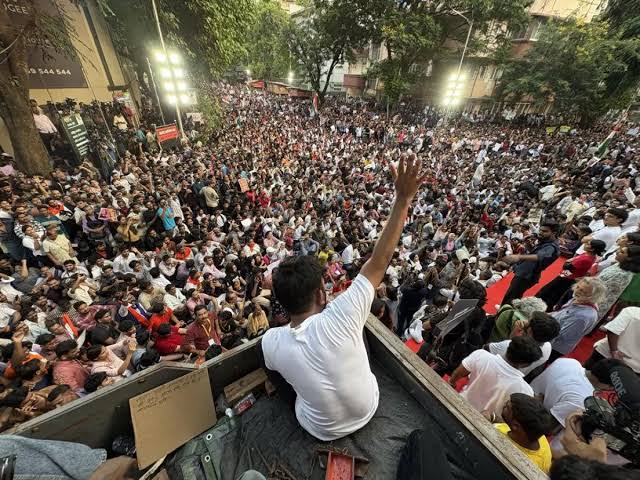
Security arrangements across the national capital have escalated to levels unseen in years, as the Delhi Police and Central Armed Police Forces (CAPF) prepare for large-scale political demonstrations slated for Saturday at Jantar Mantar.
With the focus shifting from earlier NEET-UG concerns to demands surrounding Chief Election Commissioner (CEC) Gyanesh Kumar, security agencies have mobilised a massive security grid across key entry points and central government zones.
Here are the six key elements defining the new operational approach at Jantar Mantar:
1. Massive Force Mobilisation
Over 26,000 CAPF personnel—drawn from the CRPF, BSF, SSB, ITBP, and CISF—have been deployed alongside the Delhi Police. With the Home Ministry approving an additional 110 CAPF companies arriving from Jammu and Kashmir, West Bengal, and Chhattisgarh to reinforce the existing 111 companies, this marks the largest security setup in the capital since February 2020.
2. Multi-Group Mobilisation
Beyond the primary call by the Cockroach Janta Party (CJP), several other organisations are mobilizing support. Lawyers’ collectives have called for a march from Patiala House Court, while Bharatiya Kisan Union (BKU) leader Rakesh Tikait has announced backing for the agitation. Concurrently, opposition leaders including Rahul Gandhi, Priyanka Gandhi Vadra, and West Bengal Chief Minister Mamata Banerjee have staged demonstrations across multiple venues in the capital.
3. Strict Entry-Point Monitoring
Authorities have extended surveillance to transit hubs, including airports, railway stations, and interstate bus terminals. Prohibitory orders banning assembly may be expanded beyond the New Delhi area to intercept incoming demonstrators before they enter central districts.
4. High-Security VIP Protocols
Given the presence of leaders with Z-plus security cover provided by the CRPF, special security drills are in effect. Personal Security Officers (PSOs) are accompanying protectees during detentions to ensure safety while preventing escalation between security personnel and demonstrators.
5. Media Guidelines and Accountability
The Delhi Police issued ‘Guidelines for Journalists’ requiring visible accreditation during coverage. Simultaneously, police personnel are facing public calls to display name tags on duty, following reports of unidentified officers at protest sites.
6. Tech Surveillance & Citywide Restrictions
For the first time for a single protest event, the Delhi Excise Department ordered a citywide shutdown of all liquor vends for two days as a preventive measure. Furthermore, ground forces in the New Delhi district have been equipped with 150 body-worn cameras and supplementary video recording teams to document interactions and provide evidence during law-and-order operations.