Amid escalating tensions over the blockade of the Strait of Hormuz, Mohammed Bagher Ghalibaf has issued a sharp message to the United States, accusing Washington of “bragging about holding the cards” while unveiling a symbolic “formula” highlighting Iran’s strategic leverage.
What Is Ghalibaf’s ‘Formula’?
Taking to social media, Ghalibaf presented a cryptic equation dividing the situation into two sides—Washington and Tehran:
US Side (Already in Play)
- Inventory Release (played): Refers to the US tapping into its strategic petroleum reserves
- Demand Destruction (partly played): Reduced consumption due to rising prices
- More Price Adjustment (to come): Anticipation of further fuel price increases
Iran Side (Strategic Leverage)
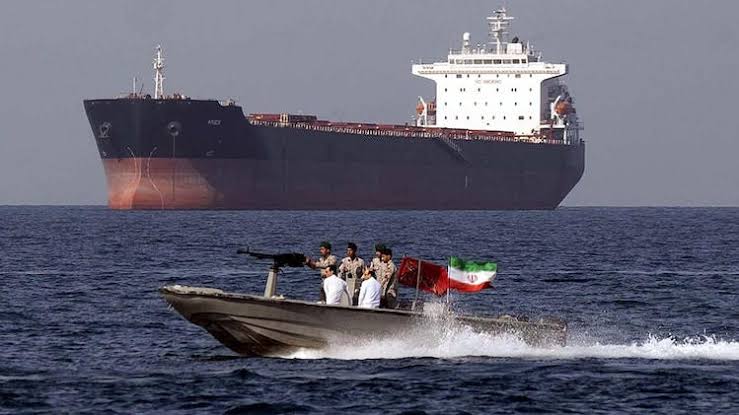
- SOH (partly played): Strait of Hormuz blockade already impacting supply
- BEM (unplayed): Bab el-Mandeb Strait, another critical maritime route
- Pipelines (unplayed): Regional oil transport infrastructure that could influence supply
The message suggests that while the US has already used some of its tools, Iran still holds significant untapped options.
Why the Strait of Hormuz Matters
The Strait of Hormuz is one of the world’s most critical oil routes, carrying nearly 20% of global oil and gas supply. Any disruption here directly impacts fuel prices and global markets.
By calling the blockade “partly played,” Iran signals it could escalate further if tensions continue.
Impact on Global Oil Prices
The ongoing standoff is already affecting energy markets:
- Brent crude surged above $107 per barrel
- WTI crude climbed close to $96 per barrel
These increases reflect fears of prolonged supply disruptions and geopolitical instability.
‘Summer Vacation’ Warning Explained
Ghalibaf also referenced “summer vacations” in the US—a subtle warning about rising fuel demand during peak travel season. Higher demand combined with restricted supply could push fuel prices even higher, impacting consumers directly.
Not the First Time Iran Used ‘Math Diplomacy’
Earlier, Ghalibaf used another mathematical expression to suggest that blocking the Strait would exponentially increase oil prices. This unconventional communication style reflects Iran’s attempt to signal economic consequences without direct escalation.
What This Means Going Forward
The exchange underscores a high-stakes economic and geopolitical battle:
- The US is relying on reserves and market adjustments
- Iran is signaling control over key global oil routes
- Global markets remain highly sensitive to further developments
With negotiations stalled and tensions rising, the situation around the Strait of Hormuz could shape global energy security in the coming weeks.