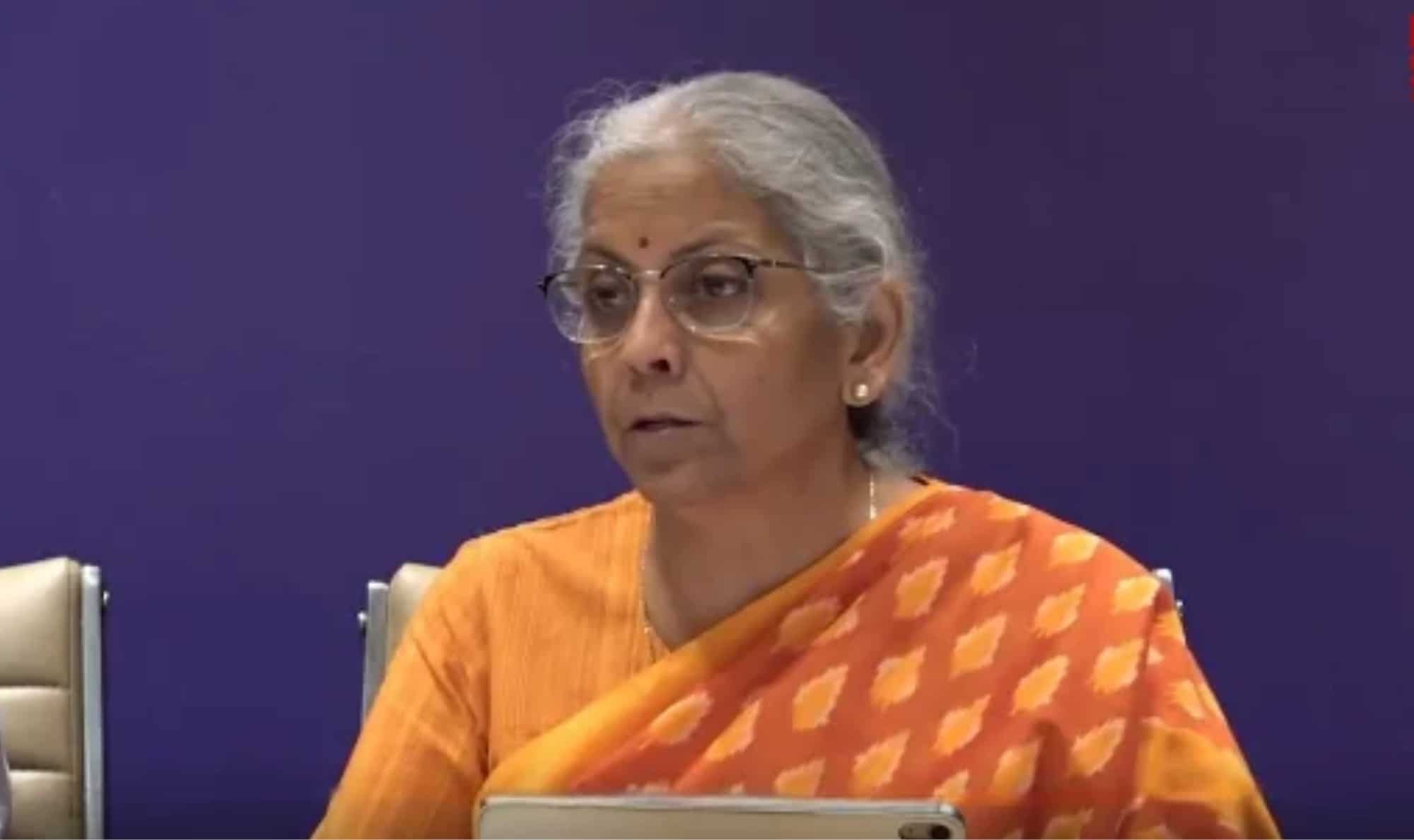
The Goods and Services Tax (GST) Council, chaired by Union Finance Minister Nirmala Sitharaman, has embarked on a transformative journey toward a trust-based taxation approach under GST 2.0.
In a landmark move aimed at boosting the ease of doing business, the Council has deliberated on and greenlit sweeping policy overhauls designed to reduce litigation, streamline compliance, and restructure punitive measures.
Overhauling Prosecution and Tax Enforcement
A major headline from the deliberations is the decision to scrap the arrest powers of GST officers and elevate the threshold for initiating criminal prosecution from Rs 1 crore to Rs 5 crore. Under the proposed framework, minor infractions—such as technical filing delays, classification disputes, or liquidity-driven late payments—can be resolved by clearing dues, interest, and proportionate penalties, helping taxpayers avoid severe criminal liabilities. Furthermore, tax authorities will shift their core focus strictly toward revenue recovery, leaving legal proceedings to specialised law enforcement agencies.
Easing Compliance for Small Businesses and E-Commerce
To foster broader market access, small vendors selling via e-commerce platforms will likely be permitted to use the platform’s warehouse as an additional registered place of business across states where they lack physical offices. This change impacts approximately 9.5 lakh small sellers, enabling seamless nationwide sales without the burden of cross-state physical infrastructure.
Additionally, the Council is considering raising the minor demand bar: no formal GST notice will be issued if a tax demand is under Rs 10,000, which currently comprises about 20% of total cases by volume while yielding negligible revenue.
Streamlining ITC, Employee Insurance, and Transit Checks
To clear long-standing operational hurdles, the Council is reviewing key input tax credit (ITC) mechanics, including:
-
Employee Insurance: Proposing to allow businesses to claim ITC on GST paid (18%) toward health and life insurance premiums provided to employees.
-
Transit Transparency: Restricting vehicle inspections during transit to prior-authorised, specific intelligence-led checks by the state of origin to eliminate multi-state road delays.
-
Invoice Matching: Implementing automated invoice matching systems to simplify legitimate input claims and curb fake credit.
With no major tax slab shifts planned and rate adjustments proposed to happen only once a year for absolute fiscal stability, these progressive administrative upgrades signal a mature, business-friendly evolution of India’s indirect tax structure.