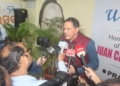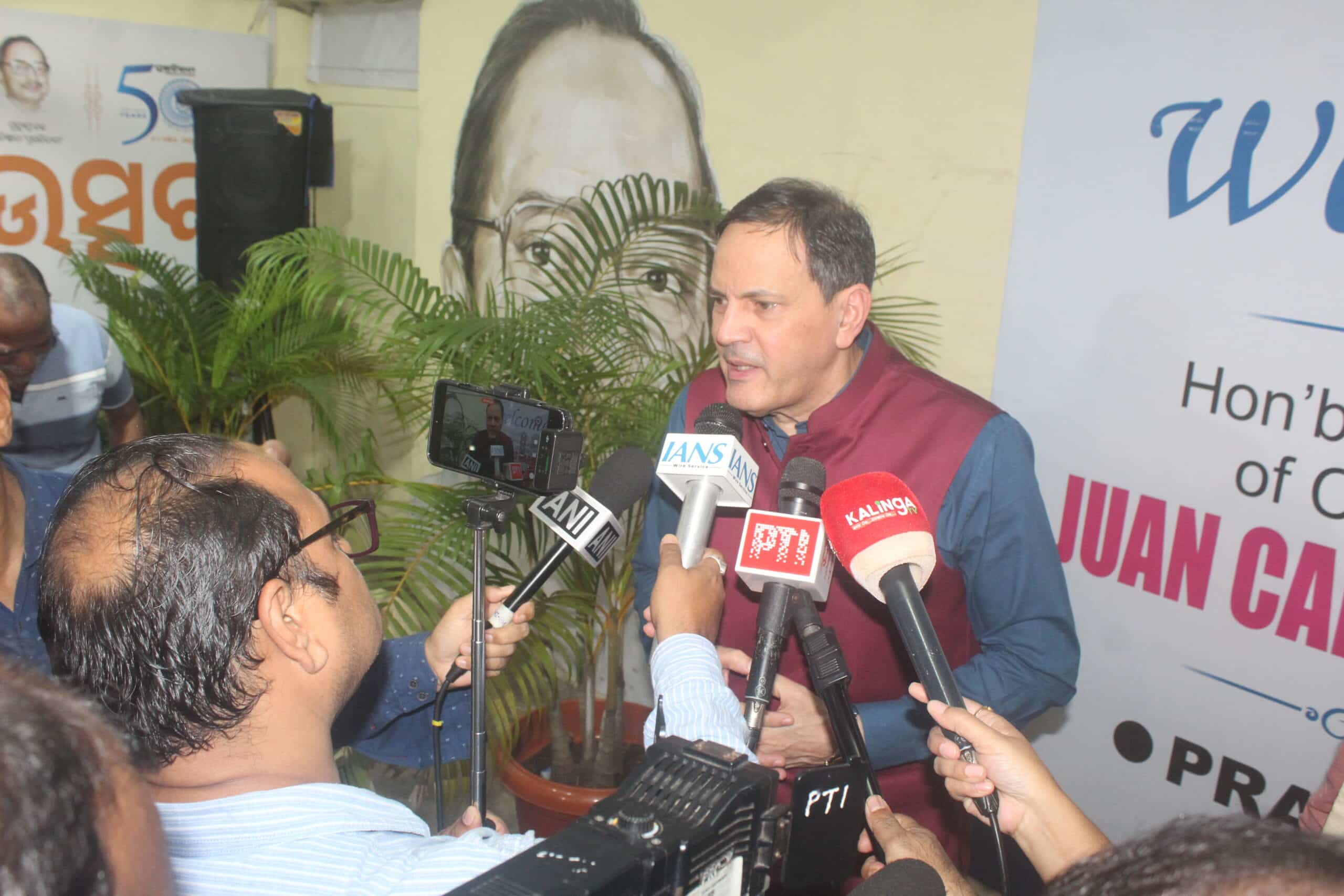
During a visit to Pragativadi office in Bhubaneswar, Cuban Ambassador Juan Carlos Marsán Aguilera called for stronger India-Cuba ties while rejecting U.S. tariffs.
Facing severe sanctions and travel hurdles, Cuba is leveraging its human capital—rebuilding tourism and providing healthcare as a BRICS partner—to drive economic resilience and global solidarity.
Q1: What is the tourism perspective in Cuba?
A1: After the Soviet Union’s collapse, Cuba opened its economy to new sectors, primarily tourism—building the sector from scratch in the 1990s to reach nearly 5 million visitors by 2018. Although COVID-19 and U.S. sanctions (along with travel restrictions affecting European and Canadian tourists) dropped visitor numbers significantly, Cuba aims to welcome over one million tourists this year. The nation is specifically targeting Indian travellers, offering a society built on shared values of solidarity, respect, and strong family bonds.
Q2: What is the secret to achieving the highest global literacy rate?
A2: Just one year after the 1959 revolution, Fidel Castro launched a massive campaign in 1960 to eradicate a 40% illiteracy rate by sending thousands of student volunteers into rural areas. Guided by Castro’s ethos—“I don’t tell you to believe, I tell you to read, to know, to be prepared, to understand the world, and to take your own decisions”—Cuba focused on human capital as its primary resource in the absence of oil or gold, investing heavily in education to foster high intellect and political consciousness.
Q3: How will Cuba’s new role as a BRICS partner country help leverage its medical diplomacy and human capital to boost global economic cooperation?
A3: Approved at the 2024 Kazan Summit, Cuba officially became a BRICS partner country on January 1, 2025, to deepen economic, commercial, and financial cooperation. Cuba brings immense value through its world-class healthcare system, having developed five COVID-19 vaccines and dispatched medical missions to over 100 countries over the past 60 years.
As Cuba charts its path forward amid geopolitical headwinds and economic sanctions, its strategy relies on converting human resilience into international partnership.
By positioning itself as a bridge between Latin America, India, and the expanded BRICS bloc, the island nation seeks to demonstrate that sustained investment in education, healthcare, and cultural diplomacy can drive sustainable economic cooperation on the world stage.