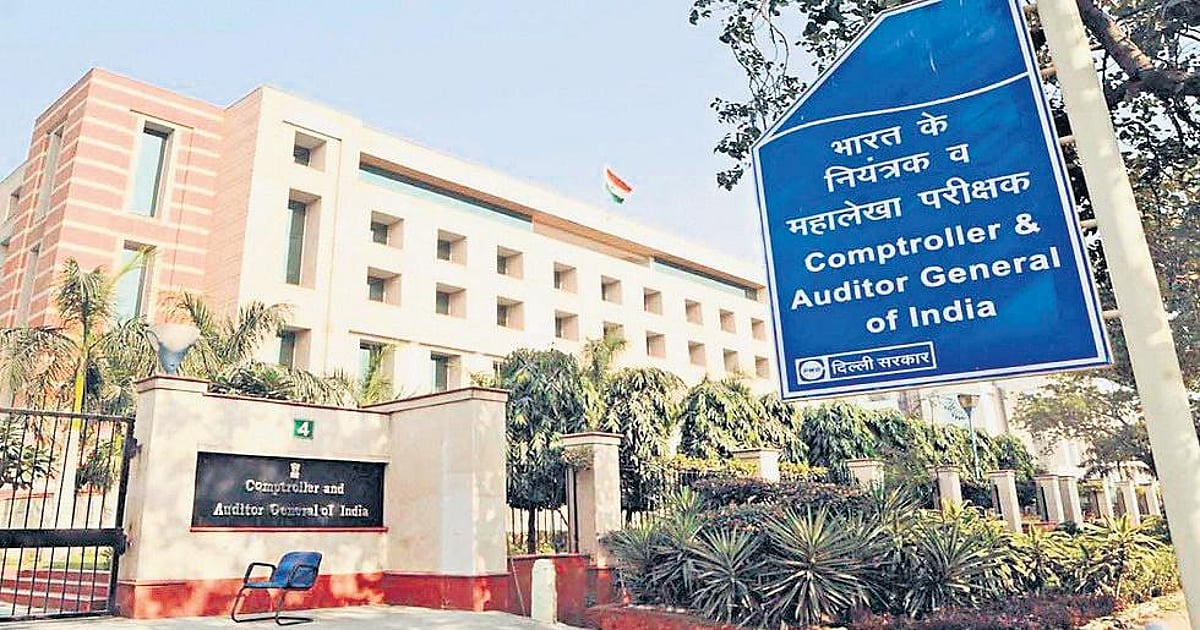
The Comptroller and Auditor General of India (CAG) has flagged major lapses in the collection, planning and utilisation of District Mineral Foundation (DMF) funds in Odisha, including spending of Rs 983.32 crore on projects in 976 villages that were not affected by mining.
The findings are part of the CAG’s performance audit of the implementation of the Pradhan Mantri Khanij Kshetra Kalyan Yojana (PMKKKY) and functioning of DMFs in Odisha for 2015-16 to 2023-24. The report was tabled in the Odisha Assembly on Monday.
The audit covered six districts — Sundargarh, Kendujhar, Jajpur, Mayurbhanj, Dhenkanal and Nabarangpur.
Rs 22,568 crore collected, but no long-term plans
The six DMFs collected Rs 22,568.17 crore, including interest, and sanctioned 17,435 projects worth Rs 20,947.52 crore during the audit period.
However, none of the six DMFs had prepared the required perspective plan and master plan, the CAG said. The audit also found that none had created an endowment fund for sustainable livelihood support despite receiving substantial contributions and interest.
The audit further flagged shortcomings in the assessment, collection and monitoring of DMF contributions, including incorrect application of prescribed contribution rates, failure to reassess contributions after final royalty assessments and non-levy of interest on delayed payments.
Rs 983 crore spent in non-affected villages
One of the major findings concerned the allocation of funds in Kendujhar and Sundargarh.
As many as 9,739 projects worth Rs 17,926.79 crore were sanctioned in the two districts between 2015-16 and 2023-24. Of these, Rs 983.32 crore was spent on 976 villages that were not affected by mining.
At the same time, no project was implemented in 488 directly affected villages and 96 indirectly affected villages, according to the audit report.
In Jajpur, Rs 507.02 crore, or 43.54 per cent of the Rs 1,164.43 crore utilised by the DMF, was spent in indirectly affected areas. The CAG said this exceeded the prescribed 40 per cent limit.
Interest losses and unspent funds
The audit also identified losses arising from the handling of surplus DMF funds.
Mayurbhanj, Dhenkanal and Nabarangpur had not opted for flexi-deposit or auto-sweep accounts for surplus funds during 2015-16 to 2023-24, resulting in an interest loss of Rs 9.49 crore.
Kendujhar DMF separately incurred an interest loss of Rs 84.51 crore due to what the CAG described as imprudent investment decisions.
Implementing agencies in Jajpur, Kendujhar and Sundargarh had also not returned unspent funds of Rs 470.25 crore and interest of Rs 26.51 crore to the respective DMFs after completion of projects.
DMF funds used for activities flagged by CAG
The audit found that Rs 171.79 crore from the DMFs of Jajpur, Kendujhar and Sundargarh was released to the MGNREGS director for payment of additional wages to job seekers. The CAG said this violated Ministry of Rural Development guidelines.
In Sundargarh, Rs 25.01 crore out of Rs 99.81 crore recorded as administrative expenditure was used for activities that the auditor said were not administrative in nature. These included police patrol vehicles, renovation of a municipality office, renovation of a reading room at the Collector’s residence, inauguration-related expenses and school functions.
The audit also flagged Rs 136.77 crore spent by the Sundargarh DMF on construction of a hockey stadium in Rourkela, saying the project did not fall within activities permissible under PMKKKY guidelines.
Rs 10.60 crore excess payment flagged during Covid
The CAG also pointed to an alleged excess payment involving a private hospital in Rourkela.
According to the audit, Sundargarh DMF paid Rs 109.45 crore to the hospital during the Covid-19 pandemic against a requisite payment of Rs 98.85 crore, resulting in an excess payment of Rs 10.60 crore.
The report also found that implementing agencies in Dhenkanal and Mayurbhanj had not returned interest amounting to Rs 87 lakh to their respective DMFs.
CAG recommends tighter monitoring
The CAG advised the Odisha government to ensure proper maintenance of DMF accounts in accordance with codal provisions and the refund of accrued interest by implementing agencies.
It also recommended timely completion of sanctioned projects, full utilisation of released funds within the relevant financial year and submission of utilisation certificates.
The audit findings highlight gaps in planning, fund management and project selection in the six test-checked DMFs and raise questions over whether resources meant for mining-affected communities were being directed to the areas and activities prioritised under the scheme guidelines.