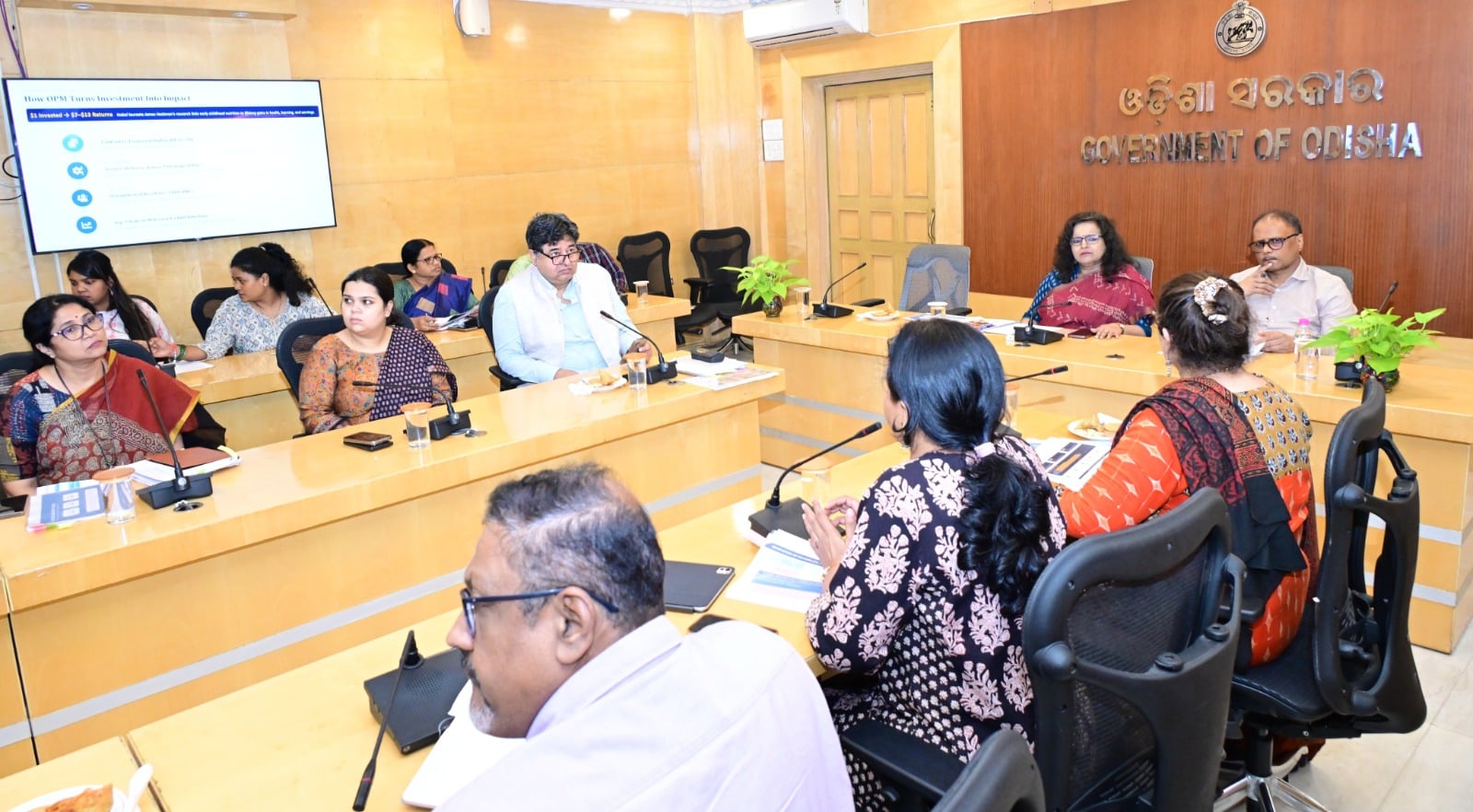
Odisha will implement the Mukhyamantri Sampurna Pushti Yojana in mission mode through the Odisha Poshan Mission (OPM), with a sharper focus on maternal and child nutrition, digital monitoring and a large-scale upgrade of Anganwadi centres.
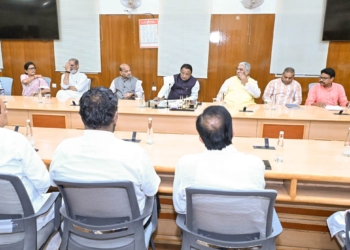
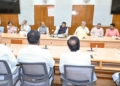
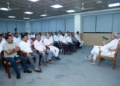
The decision emerged from a high-level review chaired by Chief Secretary Anu Garg at the conference hall of Lok Seva Bhawan on Saturday.
The meeting stressed the need to eliminate malnutrition, tighten service delivery through digital oversight, complete unfinished Anganwadi buildings under the Samriddha Anganwadi Yojana, and build new centres so that children have safe, child-friendly spaces close to their homes.
Senior officials present included State Development Commissioner and Additional Chief Secretary Deoranjan Kumar Singh, Principal Secretary (Finance) Sanjeev Kumar Mishra, Principal Secretary (Women and Child Development) Dr. Mrinalini Darswal, Director Monisha Banerjee, and senior officers from Women and Child Development, Panchayati Raj and Drinking Water and allied departments.
Targeted districts and centres
Officials discussed a concentrated drive in 18 districts identified as having a higher nutrition deficit: Angul, Debagada, Dhenkanal, Gajapati, Ganjam, Jajpur, Jharsuguda, Kalahandi, Kandhamal, Kendujhar, Koraput, Malkangiri, Mayurbhanj, Nuapada, Rayagada, Nabarangpur, Sambalpur and Sundaragada. Nine aspirational districts identified by NITI Aayog are also covered.
Under OPM, the mission will cover 23,088 Anganwadi centres — 22,707 centres in 100 priority ICDS projects, 222 centres with weaker nutrition indicators, and 159 Gramodaya Anganwadis in Maoist-affected areas — including Particularly Vulnerable Tribal Groups (PVTGs).
Nine pillars and digital tracking
The mission will rest on nine strategic pillars: early identification, assistance, education, nutrition promotion, nutritious food, practical awareness, analysis, evaluation and improvement. The Poshan Tracker will be used for regular identification of children’s nutrition status and for stronger data-based monitoring.
Special emphasis will be placed on the first 1,000 days of life, low-birth-weight newborns and child nutrition. Through the Suposhit Odisha Mission, the state aims to bring the number of children with severe underweight and wasting at Anganwadi level to zero.
The package will also cover supply of nutritious food, correction of micronutrient deficiencies, food fortification, nutrition awareness and community participation. Pregnant and lactating mothers and adolescent girls will receive additional nutritious food; children with severe malnutrition will get specialised support. Monitoring will include geo-tagged Anganwadi visits, live dashboards, independent evaluation and quality testing, with course correction based on evidence.
A proposed outlay of ₹360.68 crore has been indicated for OPM for 2026–27 and 2027–28, to be spent on nutritious food, performance incentives, awareness, monitoring, nutrition surveys, food quality testing and micronutrient programmes.
Samruddha Anganwadi: buildings, walls and access
The review also prioritised the Samruddha Anganwadi Yojana: construction of new centres, completion of incomplete buildings and strengthening of existing infrastructure over five years from 2026–27 to 2030–31. Incomplete centres will be finished on a priority basis. Later phases will add boundary walls for safety. New centres will be located near habitations so that children can reach them easily.
The Chief Secretary directed departments to treat nutrition as a time-bound, mission-mode agenda rather than a routine scheme — combining food, tracking, community work and brick-and-mortar upgrades so that Odisha’s mothers and children see measurable gains on the ground.