Odisha’s misty highlands could grow tea. That was the clear message Assam’s top tea researchers gave a visiting team of Odisha journalists in Dibrugarh this week. The climate is suitable, they said. What is missing is a formal request from Bhubaneswar.

TRA scientists described their organisation as the world’s oldest and largest tea research body, headquartered in Jorhat with ten regional advisory centres. They briefed the journalists on work in climate-resilient farming, integrated pest and disease management, mechanical harvesting and biochemical quality analysis. The association already supports more than 1,100 large estates and over two lakh small growers across the country.
Tea Board officials outlined the regulatory framework under the Tea Act, 1953, including quality standards under the Plant Protection Code, digital trading through e-auctions, and targeted subsidies meant to protect both farmers and workers.

The conversation then turned to Odisha. Officials said the state’s humid climate and cooler highland pockets — where temperatures hover around 32°C — offer “hidden potential” for tea. Soil testing would be essential, they added, but the crop could be intercropped with coffee, dragon fruit and strawberry, creating a diversified high-value plantation model. Neighbouring West Bengal and Bihar have already begun tea cultivation in similar conditions.
TRA made a clear offer: the moment the Odisha government sends a formal proposal, the association is ready to conduct soil suitability studies and provide full technical and institutional support. So far, officials noted, no such interest or proposal has come from the state government.
The journalists later visited Bokel Tea Estate, one of Dibrugarh district’s largest properties and part of the MK Jokaigroup. Spread over more than 1,700 hectares, with about 800 hectares under tea, the estate produces 100 per cent orthodox tea exclusively for export. Its liquor and appearance command premium prices in Iran, Russia, Ukraine, China, Germany and the Middle East.

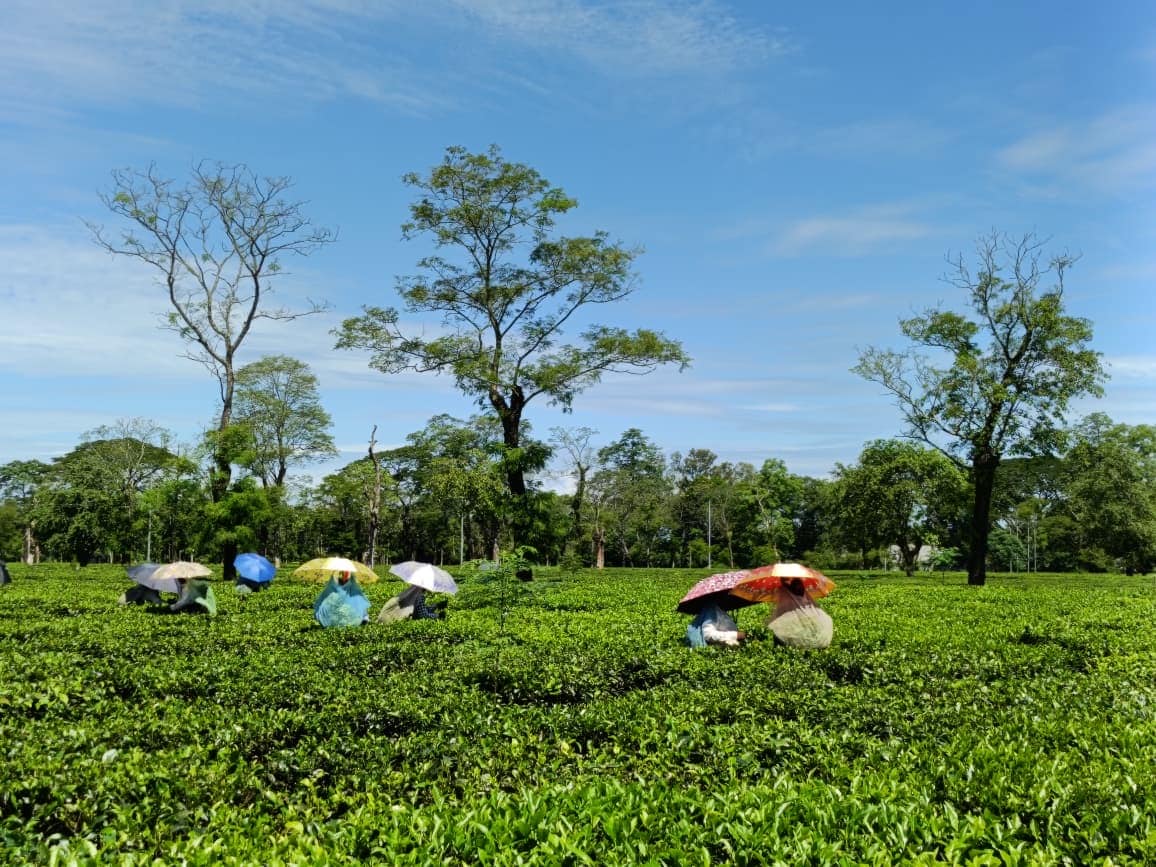
There they watched pluckers working 70- to 160-year-old bushes on a strict seven-to-eight-day cycle — the rhythm required for high-quality orthodox grades. Inside the factory, they followed the leaves through sorting, manufacturing, grading and sensory evaluation, the same exacting process that keeps Indian tea competitive in global markets.
The trip has given Odisha’s media a firsthand look at both the heritage and the science of Indian tea. More importantly, it has opened a practical conversation: whether the state’s own highlands, long known for coffee and emerging horticulture, could one day produce tea as well.
The science, the officials said, is ready. What is missing is an official request from Bhubaneswar.