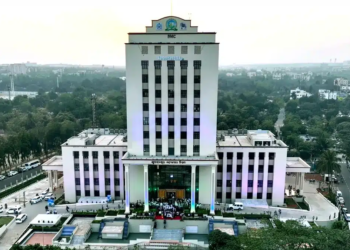

Tribal youth must play a pivotal role in realising the ambitious targets of Viksit Odisha-2036 and Viksit Bharat-2047, Chief Secretary Anu Garg said on Tuesday while reviewing the progress of the Scheduled Tribes, Scheduled Castes and Minorities & Backward Classes Welfare Department.
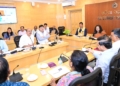
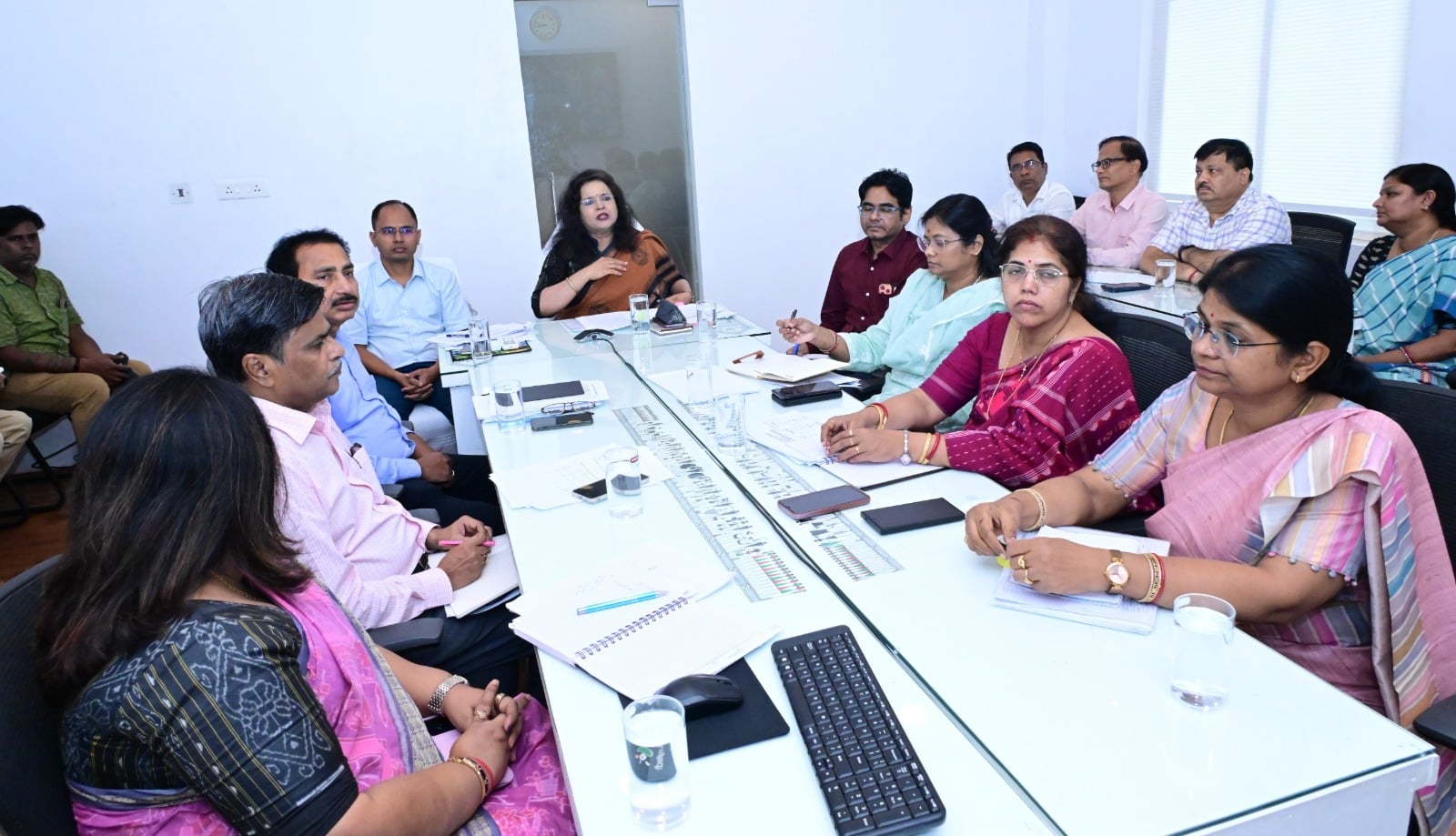
Chairing the meeting at the conference hall of the department in Lok Seva Bhawan, Garg stressed the need to integrate tribal communities more closely with the mainstream of development. She called on field-level officers to deliver effective results at the grassroots in education, skill development, health, nutrition, livelihoods and employment generation.
Odisha aims to expand its economy to $500 billion by 2036 and $1.5 trillion by 2047—nearly 15 times the current size—creating more than one crore new jobs in the process. Achieving these targets, the Chief Secretary noted, requires active participation from every section of society, particularly through growth in agriculture, industry, infrastructure, value-added products and a skilled workforce in the services sector.
With nearly 37 per cent of the state’s geographical area under forest cover and large tribal populations residing in these regions, the holistic development of tribal communities remains a top priority. The government is already implementing a range of schemes offering free education, hostels, scholarships, Ashram and Eklavya Model Residential Schools, free textbooks, uniforms, study materials, coaching for competitive exams, higher education support and Direct Benefit Transfer of scholarships, besides programmes such as PM-JANMAN.
Garg emphasised the importance of quality education, skill development, sports and vocational training from the student stage itself so that tribal youth can make meaningful contributions to the state’s and the nation’s economic growth. She urged officers to move beyond routine mindsets and adopt a transformational approach for lasting change.
The Chief Secretary directed officials to focus on targeted grassroots interventions for the empowerment of Scheduled Castes, Scheduled Tribes, Other Backward Classes, minorities and particularly vulnerable tribal groups. Building on the three pillars of prosperity, health and equity—covering health, education, nutrition, skills, livelihoods, entrepreneurship, digital education, inter-departmental coordination, accountability and outcome-based governance—will enable tribal communities to become strong partners in Odisha’s inclusive development.
She suggested connecting successful tribal youth who have excelled in higher education or careers in India and abroad with students in Ashram and department-run schools as role models. Through school visits or online interactions, these achievers can share experiences and inspire the next generation to pursue higher studies and quality careers.
On economic empowerment, Garg highlighted the potential of value addition and processing of forest produce to promote small and home-based industries. Training in eco-tourism, tour guiding, hospitality, housekeeping and other service sectors can generate substantial employment opportunities for tribal youth, boost their incomes and ensure their active participation in the state’s economic growth.
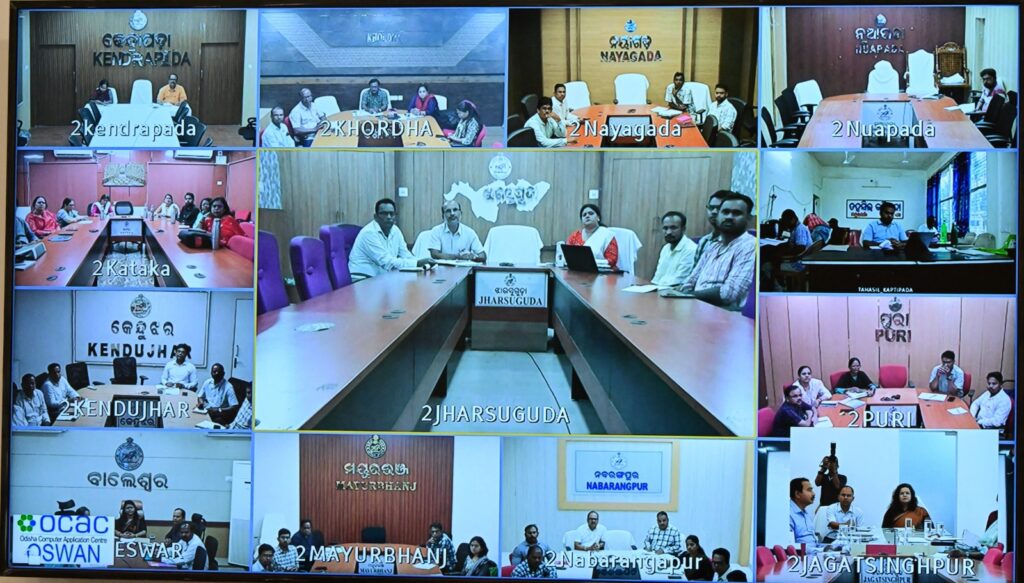
Commissioner-cum-Secretary of the department Shri B. Parameswaran and senior officials attended the meeting in person, while Project Administrators of Integrated Tribal Development Agencies, District Welfare Officers and Special Officers of micro-projects joined virtually from various districts.