
The Odisha Chapter of the Institute of Town Planners, India (ITPI) has proposed a comprehensive framework for strengthening the state’s urban planning ecosystem, emphasising the urgent need for large-scale recruitment of professional town planners and institutional reforms to support Odisha’s rapidly expanding urban landscape.
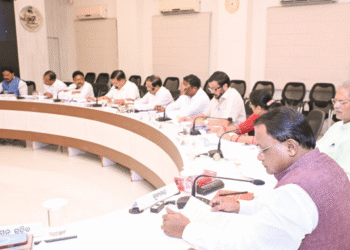
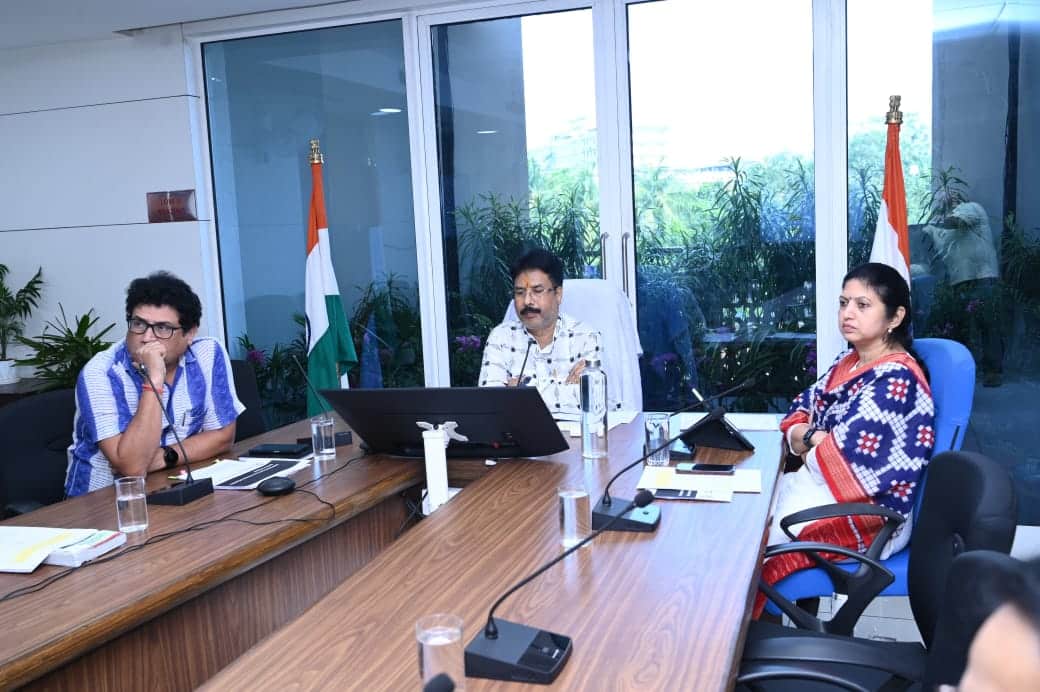
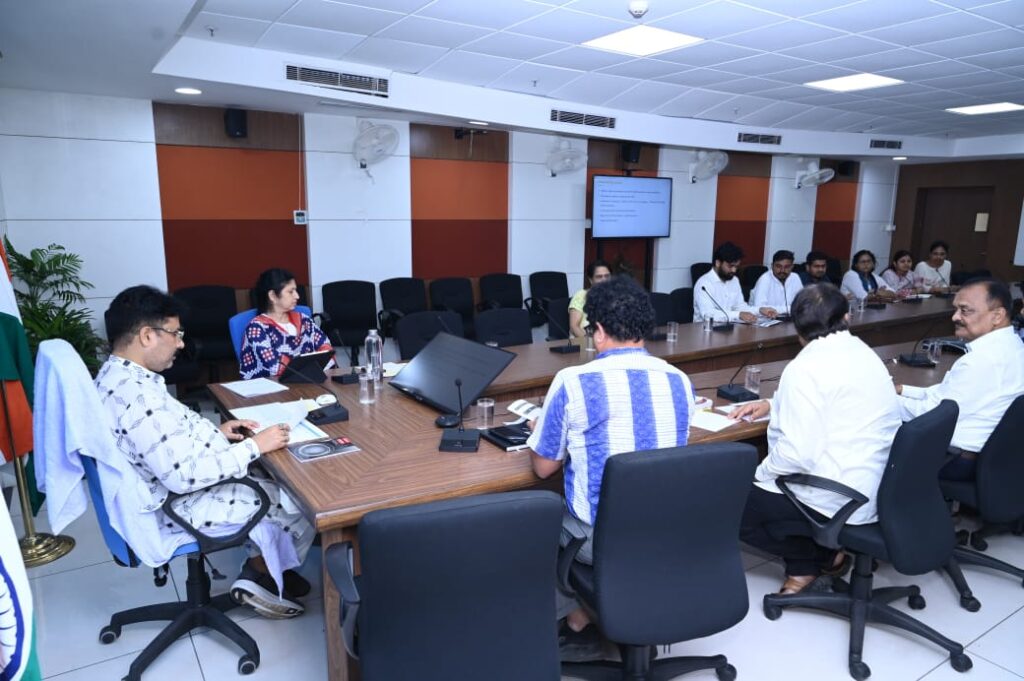
The recommendations were presented during a high-level consultation held at the 3rd Floor Conference Hall of Kharabela Bhawan under the chairmanship of Dr. Krushna Chandra Mahapatra, Hon’ble Minister, Housing & Urban Development Department. The meeting was attended by Smt. Usha Padhee, Additional Chief Secretary, Housing & Urban Development Department; Shri Satrughna Kar, Director, Town Planning; representatives of the ITPI Odisha Chapter; and other senior officers of the Department.
Presenting its vision for Odisha’s urban future, ITPI highlighted that the state is projected to witness a dramatic increase in urbanization, with the urban population expected to rise from around 17 percent in 2025 to nearly 60 percent by 2047. As Odisha aspires to transform its cities into major economic growth centres contributing over 60 percent of the State’s Gross State Domestic Product (GSDP), the institution stressed that scientific, professional and forward-looking urban planning must become a central pillar of development.
ITPI pointed out a significant shortage of qualified town planners in the state. Based on planning norms recommended by NITI Aayog, Odisha requires nearly 470 town planners to effectively manage its urban growth. However, only about 20 planners are currently serving across various state agencies and Urban Local Bodies (ULBs), leaving a gap of approximately 450 positions.
The situation is particularly critical within the Directorate of Town Planning, where all sanctioned planning positions remain vacant. Several Development Authorities also function without dedicated town planners, while many ULBs continue to rely on temporary contractual arrangements for building plan approvals and statutory planning functions.
The institution emphasized that urban planning is a highly specialized multidisciplinary profession encompassing land-use planning, infrastructure development, housing, transportation, environmental management, economic development and social inclusion. Professional planners play a critical role in preparing and updating Master Plans, implementing Town Planning Schemes through land pooling mechanisms, facilitating affordable housing development, revitalizing older urban areas through redevelopment initiatives, and improving building approval systems to enhance Ease of Doing Business (EoDB).
To address the existing human resource deficit, ITPI proposed a structured deployment of 470 town planners across various urban development institutions in the state. The proposal includes strengthening the Directorate of Town Planning, Development Authorities, Directorate of Municipal Administration, SUDA, DUDA and other key departments and parastatal agencies engaged in urban infrastructure and regional development.
The meeting also highlighted Odisha’s growing pool of planning professionals. Since the introduction of Bachelor of Planning (B.Plan) and Master of Planning (M.Plan) programmes at Odisha University of Technology and Research (OUTR) in 2015, the state has produced a substantial number of qualified planning graduates. Additional professionals from premier national institutions such as the IITs, Schools of Planning and Architecture (SPAs) and CEPT University are also available to contribute to Odisha’s urban transformation agenda.
To effectively harness this talent and support flagship urban development initiatives, including the Cabinet-approved Samrudha Sahar programme, ITPI recommended immediate recruitment of Assistant Town Planners across key urban institutions. It further proposed the creation of a dedicated Odisha Town Planning Service (OTPS) cadre on the lines of other professional state services and called for stakeholder consultations to formulate uniform recruitment rules and service conditions for planning professionals.
The Hon’ble Minister appreciated the detailed presentation and emphasized the importance of strengthening professional planning capacity to ensure sustainable, inclusive and well-managed urban growth across Odisha. He noted that robust urban planning frameworks would be essential for achieving the state’s long-term vision of creating globally competitive, liveable and economically vibrant cities.
The meeting concluded with a consensus on the need for continued engagement among government departments, planning professionals and academic institutions to build a future-ready urban planning system capable of supporting Odisha’s ambitious development goals.