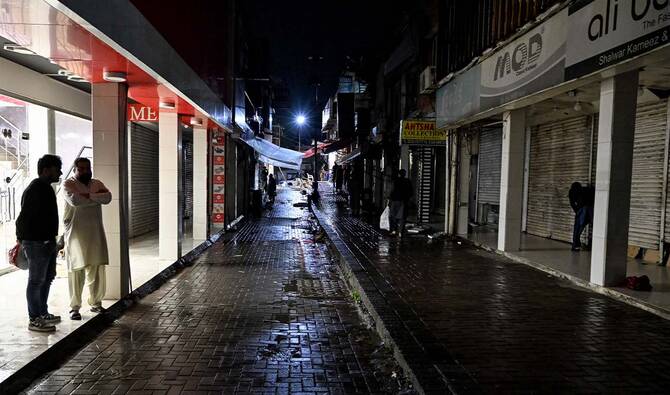
Pakistan has introduced strict new business operating hours in its capital city, Islamabad, as the country grapples with rising energy costs triggered by the ongoing conflict involving the United States, Israel, and Iran.
The Islamabad administration has directed markets, shopping centres, and retail outlets to close by 8 PM daily as part of an austerity campaign aimed at reducing electricity consumption and easing pressure on the economy.
Islamabad Announces New Business Timings
The decision, announced by the Islamabad district administration, came into effect on June 1, 2026. Under the revised rules, markets, shops, and shopping malls must close by 8 PM, while restaurants, bakeries, grocery stores, and food outlets can remain open until 10 PM.
Marriage halls, event venues, and marquees have also been instructed to conclude operations by 10 PM.
However, several essential services have been exempted from the restrictions. Hospitals, pharmacies, petrol pumps, dairy shops, sports facilities, call centres, and information technology companies serving international clients will continue operating under normal schedules.
Why Pakistan Is Facing an Energy Crisis
The latest measures come as Pakistan faces mounting economic pressure due to soaring global energy prices. The ongoing conflict in West Asia has disrupted energy markets and increased fuel import costs for several countries across Asia.
Pakistan relies heavily on imported oil and gas to meet its domestic energy requirements. The sharp rise in international crude oil prices has increased the country’s import bill, putting additional strain on foreign exchange reserves and inflation management efforts.
Strait of Hormuz Disruption Adds Pressure
One of the biggest concerns for Pakistan is the disruption around the Strait of Hormuz, a critical maritime route through which a significant portion of the world’s oil and natural gas supplies are transported.
Any instability in the region directly impacts fuel-importing nations, including Pakistan, by increasing transportation costs, insurance premiums, and overall energy prices.
Although some Pakistani fuel shipments continue to arrive, they are reportedly being transported at substantially higher costs than before the conflict.
Economic Impact on Businesses
The decision to reduce operating hours is expected to help lower electricity consumption, but it may also affect local businesses that traditionally rely on evening customers.
Many traders and shop owners have previously opposed similar restrictions, arguing that reduced business hours impact sales and profitability. In Pakistan, many commercial markets begin operations later in the day and remain active well into the evening.
Despite concerns from the business community, authorities maintain that the measures are necessary to conserve energy and stabilize the economy during a period of global uncertainty.
Government Pushes Austerity Measures
The early closure policy is part of a wider austerity strategy introduced by the government after fuel prices surged following the escalation of conflict in West Asia earlier this year.
Officials say the measures are intended to reduce electricity demand, control public spending, and protect the country’s economy from further shocks caused by volatile energy markets.
As geopolitical tensions continue to influence global oil supplies, Pakistan and several other energy-importing nations are expected to closely monitor developments and adopt additional measures if necessary.