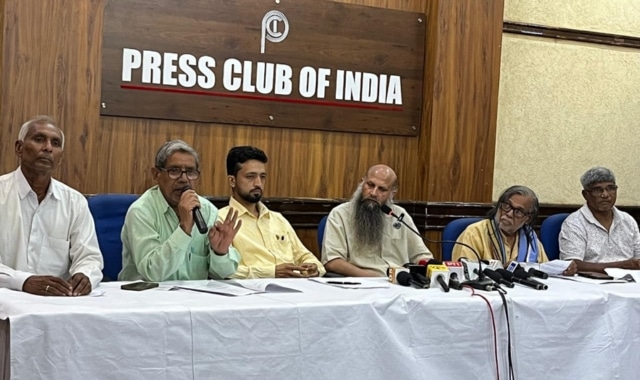
On International Day of Biodiversity, citizens and environmental groups from across India urged the Chief Justice of India to withdraw recent remarks made during the Pipavav Port hearing.
They argued that the comments delegitimised environmental litigations and risked discouraging lawful scrutiny of development projects.
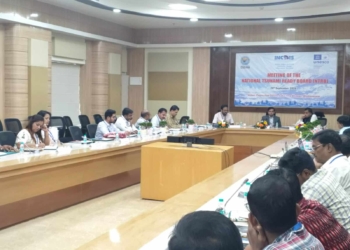
Civil society representatives from Karnataka, Odisha, Uttarakhand, Haryana, and Rajasthan gathered in New Delhi to highlight the ecological crisis facing India’s natural ecosystems. They released a letter endorsed by thousands of citizens and organisations, stressing that environmental litigation is not obstructionist but a constitutional duty under Article 51(A)(g).
Joseph Hoover of United Conservation Movement said the remarks created a “suspect constituency” out of citizens performing their democratic duty. He warned that such framing could embolden authorities to dismiss public concerns. Prafulla Samantara of Lok Shakti Abhiyan added that the term “environmentalist” carries a positive meaning, reflecting citizens’ responsibility to safeguard forests, rivers, and wildlife.
Atul Sati of Joshimath Bachao Sangharsh Samiti reminded that India’s fragile ecosystems underpin water, food, and climate security. He cited Supreme Court warnings about Himalayan disasters to show that judicial scrutiny is vital for sustainable development. Grassroots voices like Gyarsi Lal from Rajasthan emphasised that for the poor, a safe environment is essential for survival.
Activists demanded that the Supreme Court issue a public statement clarifying that oral remarks should not be taken as its opinion on environmental litigation. They urged courts to continue strengthening environmental jurisprudence and treat citizens as rights-bearing participants in development decisions.