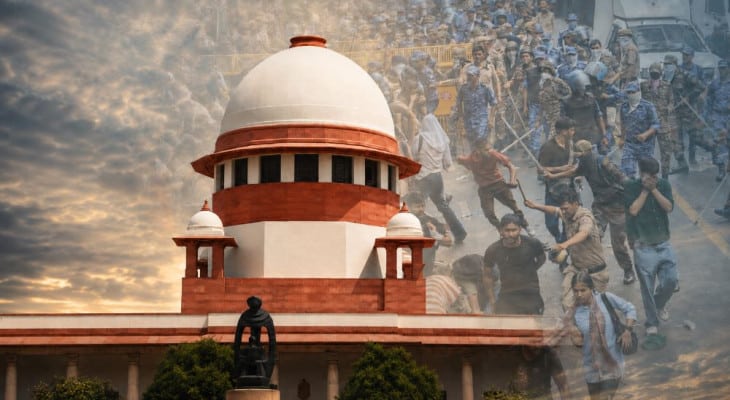
The Supreme Court of India observed on Tuesday, November 3, 2026, that no group or individual can occupy a protest site indefinitely, emphasizing that even designated demonstration venues must adhere to a fixed timeframe.
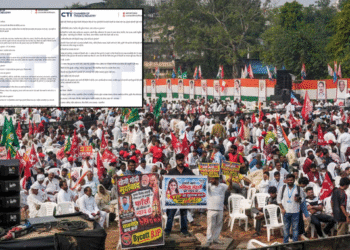
A bench led by Chief Justice of India Surya Kant made these remarks during a hearing regarding a massive Opposition-led protest at Central Delhi’s Jantar Mantar, which was organized against the Election Commission of India before the site’s designated protest status was revoked.
Chief Justice Emphasizes Shared Rights and Time Limits
Refusing indefinite occupations at public venues, Chief Justice Surya Kant highlighted the necessity of maintaining equitable access for all citizens and groups wishing to exercise their fundamental rights:
“You cannot occupy a site for all times to come. There are other protesters also. Where will farmers or lawyers go? Everyone has a right to protest,” Chief Justice Surya Kant remarked.
Center Advocates Accountability for Protest Organizers
Representing the Union Government, Solicitor General Tushar Mehta submitted that organizations issuing rally or protest calls must be held accountable for subsequent public disruptions or law-and-order consequences.
- Permission Violations: Mehta informed the apex court that while permissions for the Jantar Mantar demonstration were granted strictly for a single day, organizers occupied the venue beyond the permitted duration and initiated an unauthorized march toward Parliament.
- Institutional Security: “Parliament is not just another political building. You cannot march to parliament. You cannot march to the Supreme Court,” Solicitor General Mehta argued before the bench.
- Relocation of Protest Sites: Following the denotification of Jantar Mantar as a designated demonstration hub, the Union Ministry of Home Affairs submitted three alternative designated protest sites for future gatherings in the national capital.