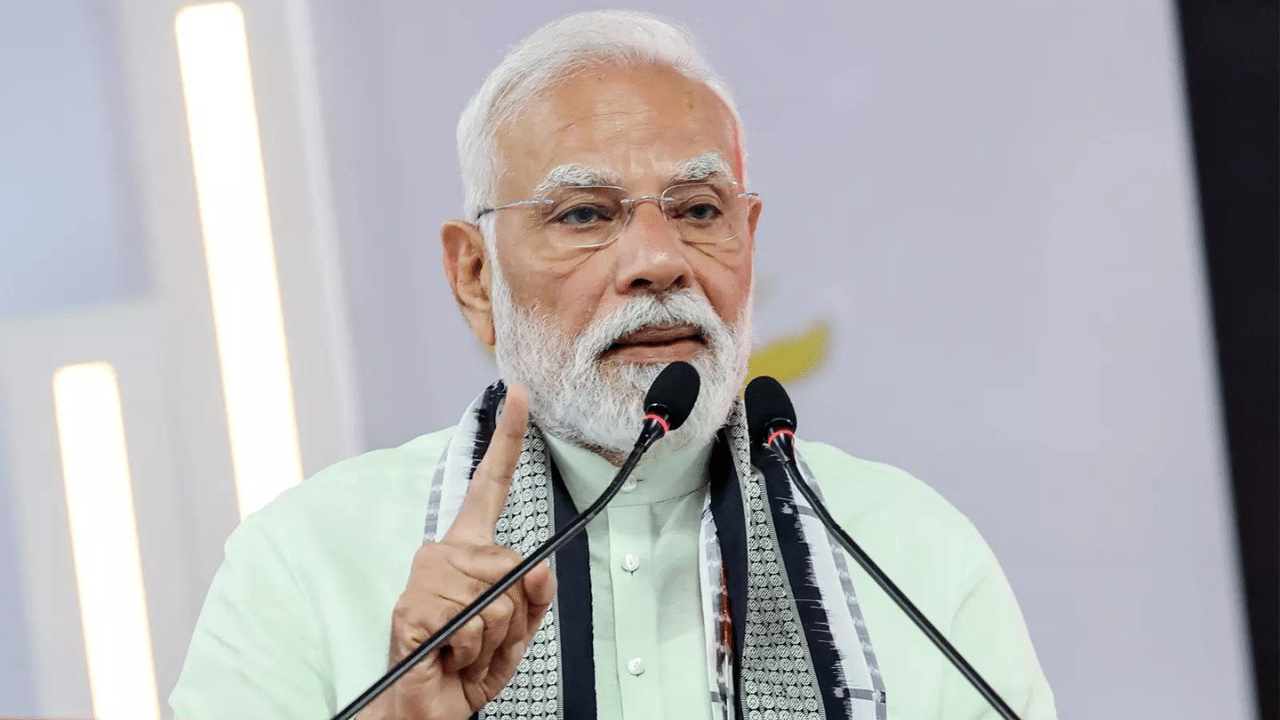
Prime Minister Narendra Modi strongly criticised opposition parties for their stance on the Nari Shakti Vandan Adhiniyam, a proposed law aimed at enhancing women’s representation in legislative bodies.
Addressing the nation, he alleged that opposition resistance to the bill stems from concerns over losing political control rooted in dynastic leadership structures.
Allegations of Dynastic Politics
The Prime Minister accused several opposition parties, including the Indian National Congress, Samajwadi Party, Dravida Munnetra Kazhagam, and All India Trinamool Congress, of using procedural arguments to delay or oppose the legislation.
He stated that such parties fear that increased participation of women in politics could challenge established leadership patterns within their organisations.
‘Missed Opportunity’ for Women’s Representation
Modi expressed disappointment that, in his view, some parties did not support the bill despite its focus on expanding opportunities for women.
He argued that the legislation represented a significant step toward inclusive governance and that opposition to it undermines efforts to improve gender representation in decision-making roles.
Appeal for Women’s Empowerment
Emphasising the broader implications, the Prime Minister said that the debate around the bill is not just political but directly linked to the rights and aspirations of women across the country.
He acknowledged that many citizens may feel disheartened by the bill not moving forward and reiterated his commitment to advancing policies that support women’s empowerment.
Focus on National Interest
Highlighting the need for collective responsibility, Modi said that national welfare should take precedence over political differences.
He added that ensuring fair representation and opportunities for women remains a priority, and efforts toward that goal will continue.
Why the Issue Matters
The debate around the Nari Shakti Vandan Adhiniyam reflects broader national concerns:
- Increasing women’s participation in governance
- Addressing gender representation gaps
- Balancing political interests with social reform
- Strengthening inclusive policymaking