After a disrupted opening, the Odisha Legislative Assembly finally transacted official business on Tuesday evening.
Under Deputy Speaker Bhabani Shankar Bhoi, the House resumed at 4 pm, ran till 4:11 pm, and saw six bills introduced before being adjourned till 10:30 am on Wednesday.
The brief sitting was the first stretch of the day that moved without slogans drowning out the chair. It also marked a sharp contrast with the morning, when the seventh session of the 17th Assembly opened amid Opposition protests over the Mines and Minerals (Development and Regulation) Amendment Act, 2026, and errors in school textbooks.
Speaker Surama Padhy had already adjourned the House twice—first till 1:10 pm and then till 4 pm—after BJD and Congress members entered the Well with placards and halted Question Hour. The day had begun on a solemn note, with Chief Minister Mohan Charan Majhi moving obituary references and the House observing silence for departed leaders and flood victims in Nepal. Once regular business began, the floor turned noisy.
By late afternoon, order returned long enough for the government to table the six bills for which notices had been received before the session. Parliamentary Affairs Minister Mukesh Mahaling had said on Monday that those bills would come up during the short monsoon sitting, which runs from September 22 to October 3 and has nine working days. The Advisory Committee is to fix priority and time for debate.
The evening sitting itself lasted only eleven minutes. That was enough to complete the introductions and close the first day. The House will meet again at 10:30 am on Wednesday, when the Opposition is expected to press again for a structured discussion on the MMDR amendment and textbook corrections.
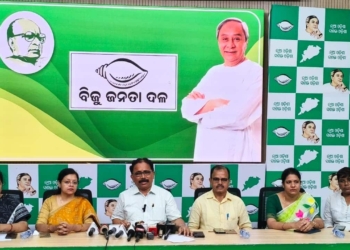
The political temperature around the session was high even before the first bell. On Monday, Speaker Padhy chaired an all-party meeting and asked both the ruling BJP and the Opposition for cooperation. Leader of Opposition Naveen Patnaik had already written to the Chief Minister seeking a special sitting and a unanimous resolution against the MMDR changes, arguing they weaken Odisha’s claim over mineral taxation. The government has said it is ready to discuss issues of state interest in the form the Speaker allows.
Tuesday’s scorecard, then, is mixed. The morning was lost to protest. The evening delivered the first legislative business of the monsoon session—six bills on the table, a chair in control, and a calendar that now points to Wednesday morning. Whether the House can hold that rhythm for the remaining eight working days will decide if this short session becomes a week of law-making or another week of adjournments.