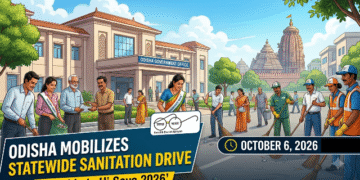
In a major decision aimed at fostering democratic values and leadership among the youth, the Higher Education Department, Government of Odisha, has officially announced the conduct of Student Union Elections across state public universities, government colleges, and aided private colleges for the academic year 2026–27.
Announcing the initiative, Minister for Higher Education Suryabanshi Suraj emphasized the government’s commitment under Chief Minister Shri Mohan Charan Majhi to empower student leadership. “Today’s students are tomorrow’s leaders of Odisha.
Following a prolonged period during which student union elections were suspended under the previous government, our administration has issued the notification to resume them. This is not just about returning to elections; it is a new chapter in giving the youth a hands-on experience in democracy, responsibility, and leadership,” Minister Suraj stated.
Key Election Schedule
- October 7: Official notification issued by individual colleges and universities detailing local election guidelines.
- October 9 (10:00 AM – 1:00 PM): Filing of nomination papers by prospective candidates.
- October 9 (2:00 PM – 4:00 PM): Scrutiny of nomination papers.
- October 9 (5:00 PM): Publication of valid candidate nominations.
- October 10 (10:00 AM – 1:00 PM): Withdrawal of nominations.
- October 10 (3:00 PM): Publication of the final contest list.
- October 14: Conducting of the traditional ‘Why I Stand For’ meeting.
- October 15 (8:00 AM – 2:00 PM): Polling followed immediately by vote counting and declaration of results.
- October 16: Oath-taking ceremony for the elected representatives.
Administrative Review & Code of Conduct Guidelines
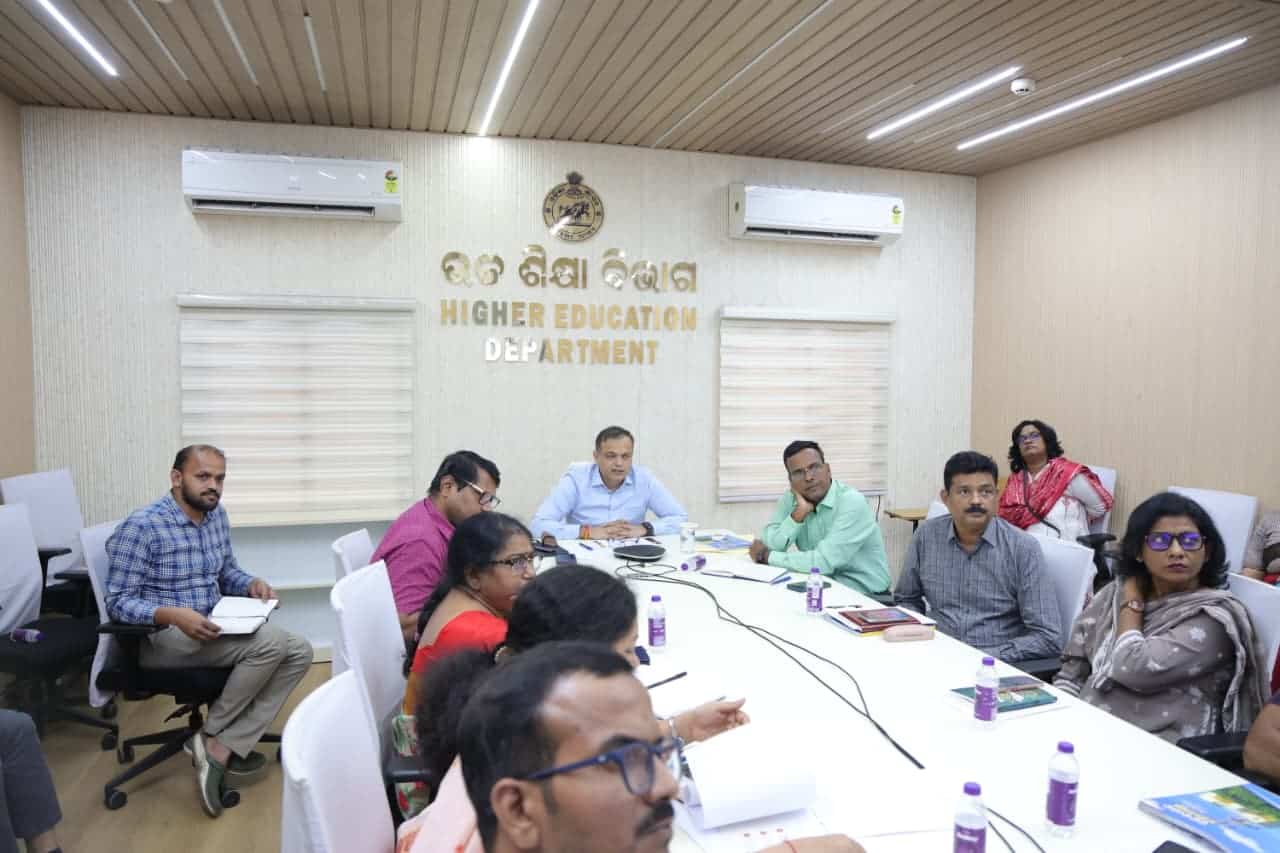
Following the announcement, Commissioner-cum-Secretary of Higher Education, Aravind Agrawal, chaired a high-level virtual meeting attended by University Registrars, PG Council Chairmen, and College Principals across the state.
Agrawal reiterated a strict “Zero Tolerance” policy against campus violence and mandated full adherence to rules aligned with the Lyngdoh Committee recommendations and department directives.
Key rules laid out for candidate eligibility and election management include:
- Eligibility: Regular UG and PG students enrolled via the SAMS portal are eligible to vote and contest. Students enrolled in distance education or non-SAMS self-financing PPP programs are excluded.
- Age Limits: 17–22 years for UG candidates; maximum of 25 years for PG candidates.
- Attendance & Conduct: Minimum 75% classroom attendance is mandatory; candidates must have no criminal record.
- Expenditure Cap: Campaign expenses are capped at ₹5,000 per candidate. Expense reports must be submitted within two weeks of result declaration and uploaded to the HIMS portal by authorities.
- Digital Media & Content Rules: Strict prohibition on unparliamentary comments on social media. Fake news, manipulated media, and AI-generated deceptive content are explicitly banned.
- Non-Students Barred: Participation of non-students in any form of election activities is strictly prohibited. Hand-made posters are allowed, while campaign processions/public meetings within campus require written administrative approval.
- Campaign Silence: Campaigning must completely stop 24 hours prior to the close of polling (i.e., from 2:00 PM on October 14 to 2:00 PM on October 15).
- Grievance Redressal: Every institution must set up a Grievance Redressal Committee chaired by the Dean (Student Welfare) or Teacher In-Charge, comprising faculty, an administrator, and final-year male and female student representatives.
The meeting was attended by Director of Higher Education Kali Prasanna Mohapatra, Additional Secretaries Sangram Shekhar Panda, Dharanidhar Nanda,. Pratibha Sahu, and Joint Secretaries Mousumi Nayak, Ranjita Sahu, Sujata Nayak, and Ashok Kumar Gouda, alongside other senior officials.