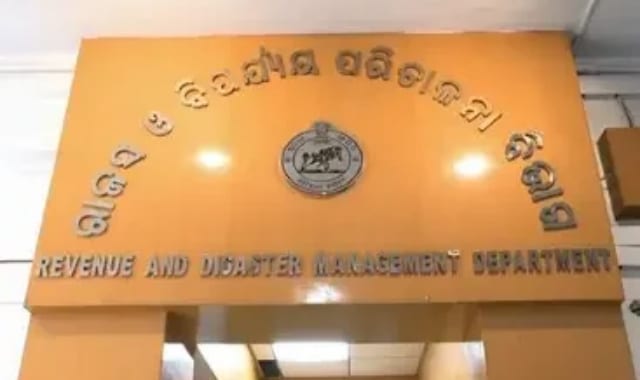
The Revenue and Disaster Management Department of Odisha has launched a massive campaign to reclaim unutilised, leased, and misused government lands across the state.
Additional Chief Secretary and Revenue Secretary Dr. Arabinda Kumar Padhee has issued stern directives to all District Collectors, mandating a comprehensive, time-bound review of all government land provided through advance possession, permissive possession, lease, or alienation.
Zero Tolerance for Misuse and Collusion
Stating that government land is a valuable public asset, Dr. Padhee emphasized that any unauthorized retention, deviation from sanctioned purposes, or prolonged vacancy will be met with strict legal actions. District administrations have been instructed to act fearlessly against influential individuals or vested interests violating land norms.
Furthermore, the Revenue Department has adopted a zero-tolerance policy toward administrative corruption. The order explicitly warns that any government officer or employee found colluding with vested interests to facilitate land misuse will face severe disciplinary and criminal action under the law.
Key Directives Issued to Collectors:
-
Advance & Permissive Possession: Immediate field verification and legal action under Rule 11-A and Rule 9-A(2) of the Odisha Government Land Settlement (OGLS) Rules, 1983, for lands lying vacant or mismanaged.
-
Leased Government Land: Case-wise review of land leased to institutions or individuals. Lands unutilised for over three years from settlement or diverted for unauthorised purposes will be systematically resumed and restored to the government.
-
Departmental Transfers: Review of land transferred to various government departments. Properties unutilised for over three years must be formally relinquished back to the Revenue Department.
-
Monthly Monitoring: Collectors must maintain comprehensive district-wise records and submit online monthly progress reports by the 5th of every month covering advance possession, permissive possession, resumption, and relinquishment.
With Collectors held personally responsible for executing these instructions without delay, the state government aims to clear roadblocks and redirect valuable public land toward productive developmental and welfare projects.