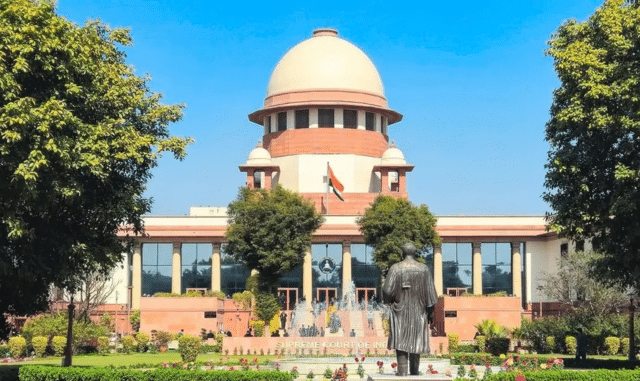
Proceedings in the Supreme Court concerning the selection and appointment process of Odisha’s Director General of Police (DGP) remained inconclusive today, with the bench scheduling the matter for further hearing tomorrow.
The Public Interest Litigation (PIL) challenges the empanelment procedure adopted by the Odisha state government in forwarding eligible IPS officer names to the Union Public Service Commission (UPSC). Petitioners contend that the selection process strays from the landmark Prakash Singh v. Union of India (2006) guidelines laid down by the apex court to ensure transparent police appointments.
During the hearing, Senior Advocate P. Chidambaram, appearing on behalf of the petitioner, raised serious objections regarding the state’s procedure. He argued that subsequent alterations to the pool of eligible candidates—including post-nomination promotions—violated statutory norms and breached court-mandated empanelment frameworks.
The bench, headed by Chief Justice of India Surya Kant, also took note of the detailed report submitted by Amicus Curiae Raju Ramachandran.
The amicus report highlighted key operational discrepancies, including:
- The exclusion of senior IPS officer Sushant Kumar Nath from the initial eligibility pool.
- Questions regarding the issuance of integrity certificates for candidate consideration.
- The procedural validity of adding officers promoted to the DG rank after the initial list had already been submitted to the UPSC.
The state of Odisha, represented by the Advocate General alongside Solicitor General Tushar Mehta, defended the state government’s actions, maintaining that the nominations align with administrative necessities and statutory parameters.
The top court is expected to hear final rebuttals tomorrow to determine whether the empanelment process complies with Supreme Court precedents.