In a powerful assertion of cultural self-respect, the Odisha government has taken a decisive step to correct the colonial-era distortions that have long plagued the official English spellings of many places in the state.
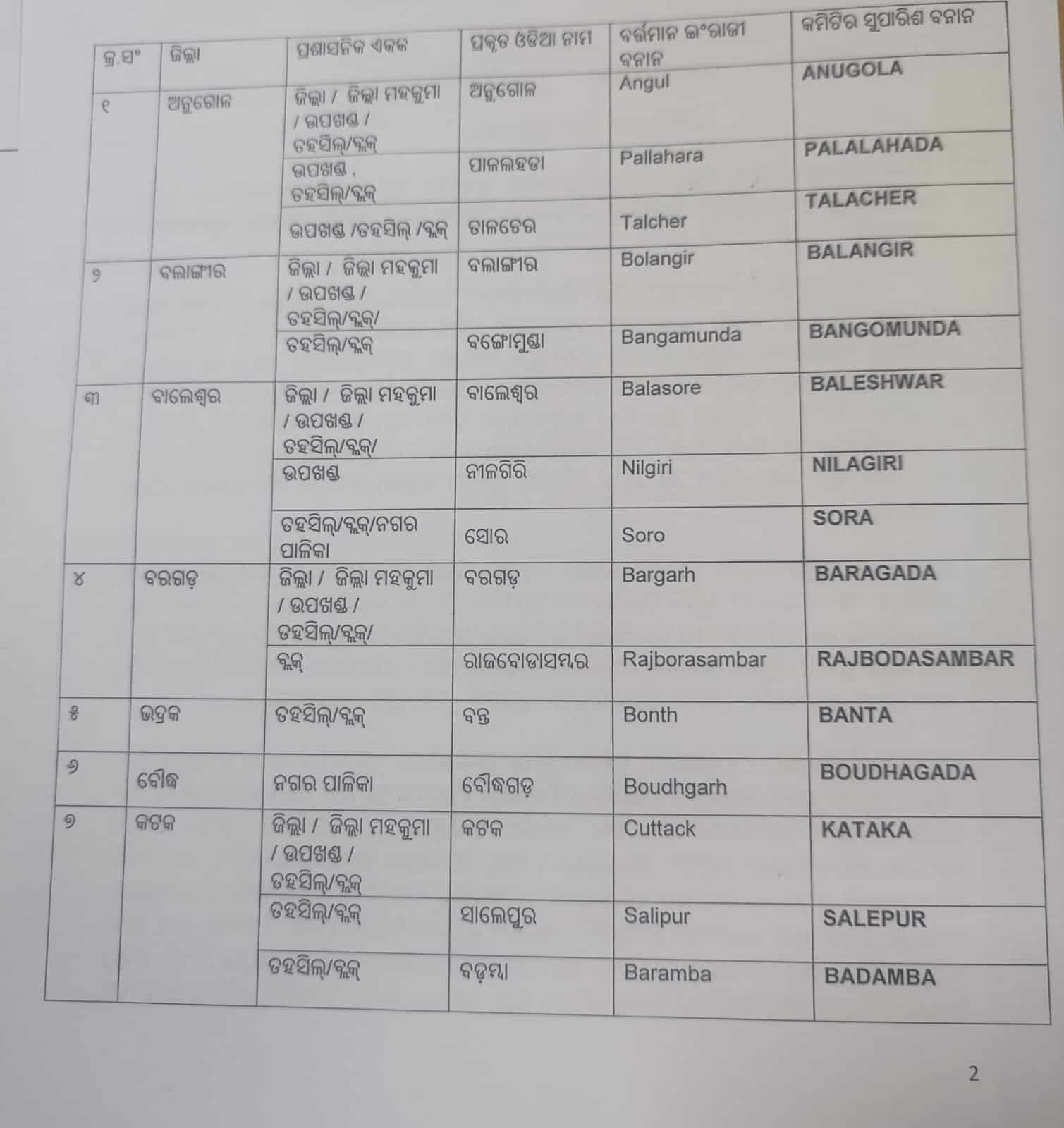
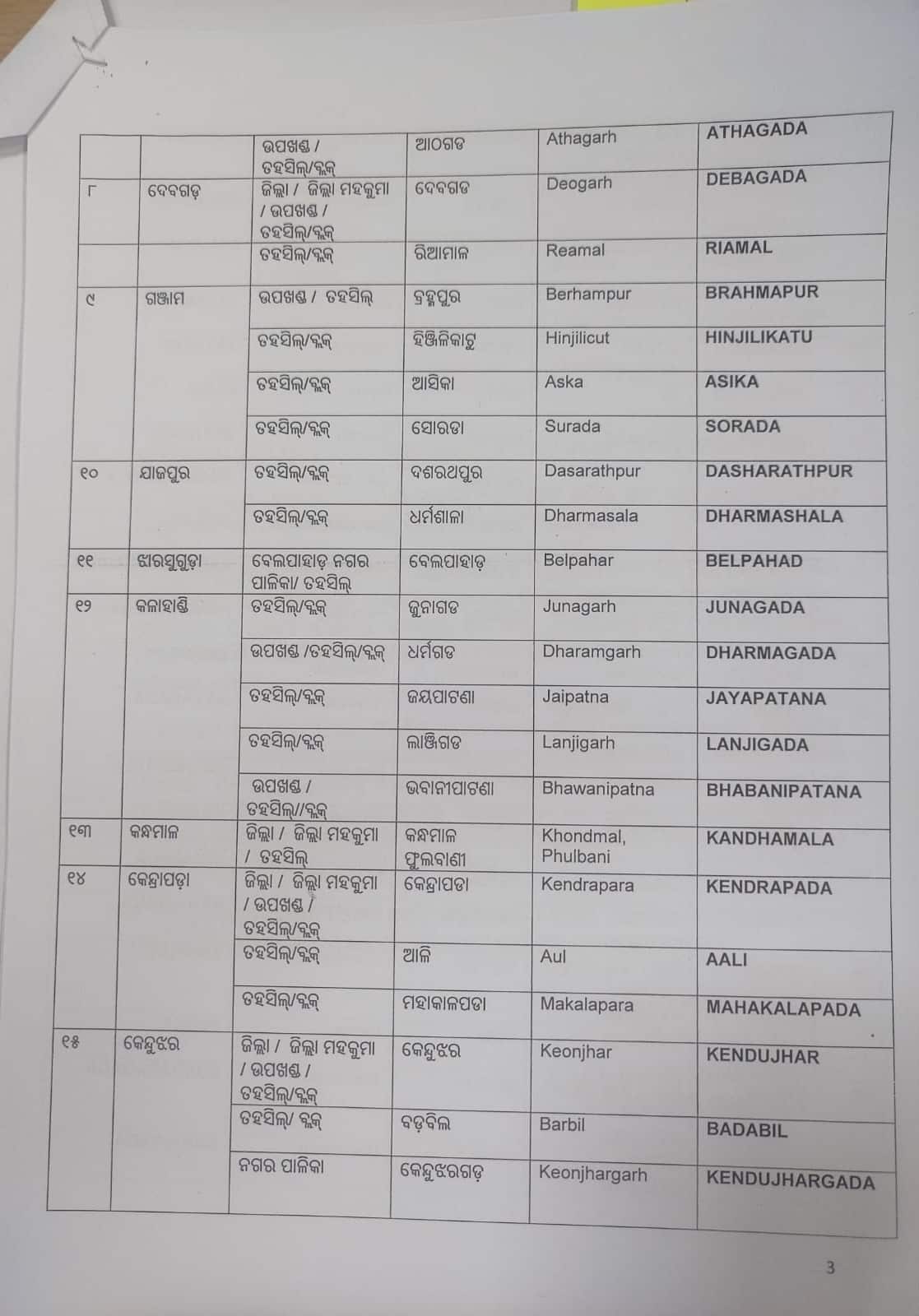
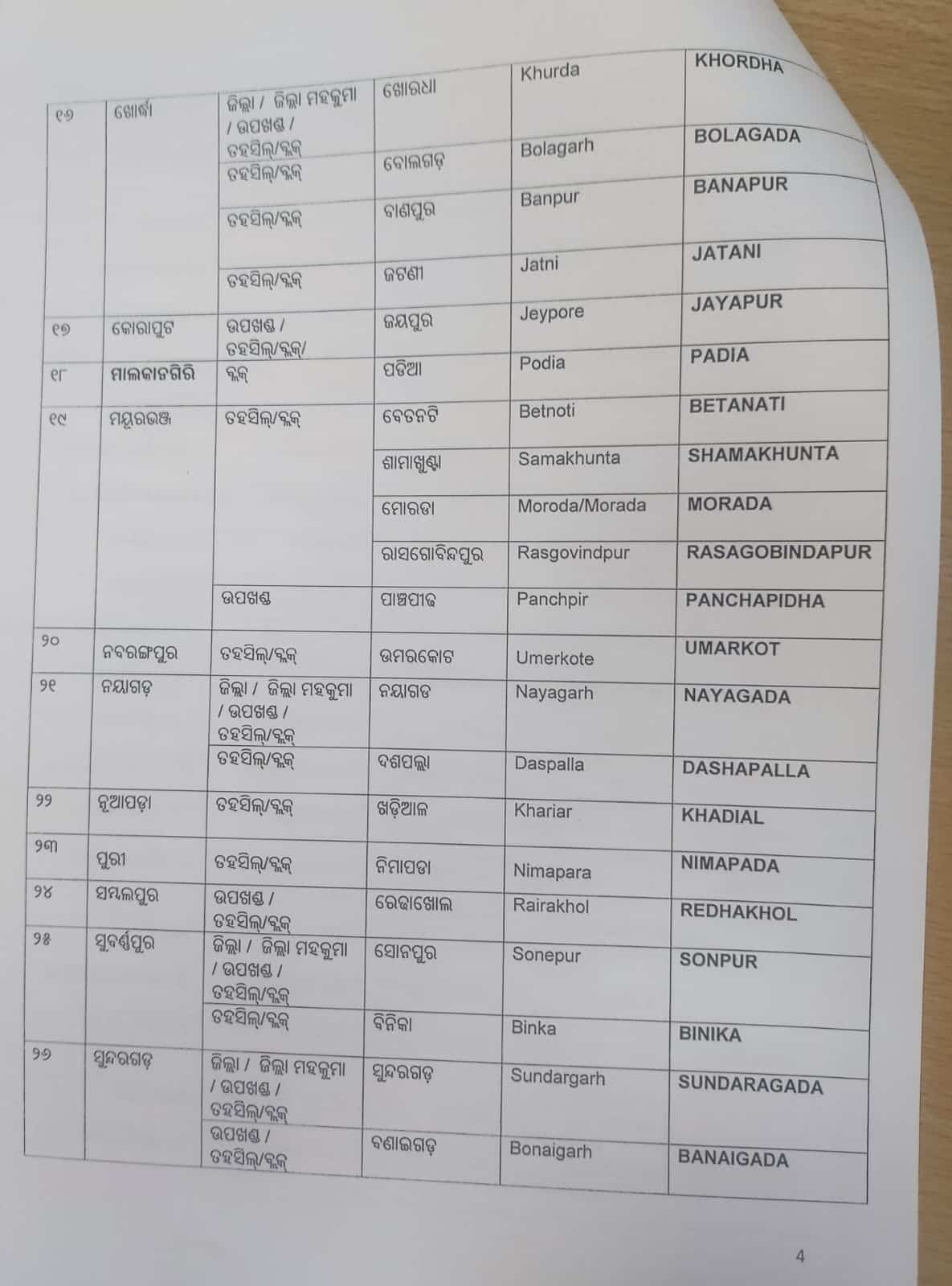
The State Cabinet today approved revised spellings for 64 places spread across 26 districts, replacing inaccurate transliterations with versions that faithfully reflect authentic Odia names and phonetics. This move directly addresses long-standing concerns about how these distortions undermined Odia cultural identity, popularly known as Odia Asmita.
For generations, places have carried spellings that simply did not match how Odias actually pronounce them. “Aul” instead of “Aali”, “Balasore” instead of “Baleshwar”, “Cuttack” instead of “Kataka”, “Keonjhar” instead of “Kendujhar”, and “Angul” instead of “Anugola” are just a few prominent examples. These were not minor spelling quirks — they were remnants of a colonial mindset that often ignored local linguistic realities.
Following clear directions from the Hon’ble Chief Minister, District Collectors across Odisha compiled detailed reports identifying such places. Valuable inputs also came from public representatives and ordinary citizens. To ensure the changes were well-considered and inclusive, the government constituted a high-level committee chaired by renowned Odia litterateur Dr. Pratibha Ray. The committee placed its recommendations in the public domain for a full month to gather feedback before finalising the list.
With the Cabinet’s approval, the State Government will now issue a Gazette Notification to the Ministry of Home Affairs. Central agencies including the Survey of India, Indian Railways, Department of Posts, Registrar General & Census Commissioner of India, and other relevant departments, have been requested to update their official records accordingly.
This is more than a bureaucratic exercise in spelling correction. It is a meaningful effort to align official records with the living language and lived identity of the people of Odisha. By restoring the correct phonetic representation of Odia names, the state is sending a clear message: our heritage deserves respect, and our identity will no longer be filtered through outdated colonial lenses.
The changes, though administrative in nature, carry deep emotional resonance. For many Odias, seeing their hometowns and villages spelled correctly in official documents will feel like a small but significant victory for cultural dignity.
As Odisha continues its journey of progress while staying rooted in its rich traditions, this decision stands as a shining example of how even the smallest corrections can help preserve something far greater — the soul of a language and the pride of a people.