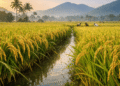


Kabini is not a destination that reveals itself instantly. Positioned along the Kabini River and bordered by the forests of Nagarhole and Bandipur, it unfolds slowly through movement, silence, and seasonal change. The region’s identity is deeply tied to wildlife corridors, making every visit dependent on timing, water levels, and forest activity rather than fixed attractions.
Travelers evaluating resorts in Kabini quickly notice that the experience is not built around conventional luxury markers. Instead, it is shaped by proximity to the river, access to safaris, and how seamlessly a property blends into the Nilgiri Biosphere landscape. The stay becomes less about indulgence and more about immersion, where even stillness feels intentional.
The River and Forest Define Everything
Kabini’s geography is not static. The river expands during monsoon and recedes in summer, exposing vast grasslands that attract herbivores and predators alike. This fluctuation directly influences wildlife visibility and the positioning of resorts.
Properties along the backwaters often provide uninterrupted views of animal movement, especially elephants that frequently gather near water. Resorts deeper within forest buffers offer denser vegetation and quieter surroundings. The choice of location determines whether the stay feels open and scenic or enclosed and intensely immersive.
Architecture That Reflects Tribal and Ecological Context
Kabini’s better resorts avoid imposing modern structures that disrupt the landscape. Many draw inspiration from indigenous Kadu Kuruba settlements, using earthy tones, thatched elements, and low-rise layouts.
For example, certain luxury properties are modeled after tribal “hadis,” integrating traditional craftsmanship with modern comfort. This approach ensures visual continuity with the forest while maintaining high hospitality standards.
Elsewhere, eco-resorts like Red Earth Kabini use locally sourced materials such as red mud to construct cottages, reinforcing a grounded, region-specific identity rather than a generic resort aesthetic.
Wildlife-Led Experiences That Shape the Stay
Kabini’s core offering is wildlife interaction, but it is structured and regulated. Resorts act as facilitators, coordinating with forest authorities and trained naturalists.
Jeep Safaris into Nagarhole Reserve
Guided safaris remain the primary way to explore the forest. Sightings vary widely, but the region is known for elephants, deer, and occasional big cats due to its dense biodiversity.
Boat rides provide a quieter, more observational experience. Wildlife approaches the waterline, allowing for unobstructed viewing, particularly during dry months.
Birding and Micro-Habitat Exploration
Kabini supports a rich bird population. Early morning walks focus on identifying species across riverbanks, grasslands, and forest edges.
Some boutique lodges incorporate plantation trails and agricultural interactions, offering a slower, educational layer to the experience.
Dining That Adapts to Location and Supply
Food in Kabini resorts reflects logistical realities as much as culinary intent. Many ingredients are sourced locally or transported from nearby towns like Mysore, ensuring freshness without over-reliance on long supply chains.
Menus often balance South Indian staples with broader Indian and continental options. Resorts such as The Serai include structured dining setups with buffets and curated menus, while smaller lodges emphasize seasonal, farm-linked meals.
Understandingresorts in Kabini Through Real Properties
Kabini’s accommodation landscape is defined by distinct categories rather than uniform offerings. Each property type delivers a different level of engagement with the environment. Luxury resorts like Evolve Back Kabini focus on immersive design, offering private pool huts, spa facilities, and curated wildlife experiences within a forest-integrated setting.
Riverside retreats such as The Serai Kabini provide limited inventory cottages facing the backwaters, emphasizing exclusivity and uninterrupted views of wildlife activity. Boutique and eco-focused stays like Waterwoods Lodge or Fireflies Kabini prioritize intimacy, with fewer rooms and a stronger emphasis on personalized experiences and minimal environmental disruption.
Seasonal Shifts That Redefine the Experience
Kabini is highly seasonal, and each period creates a different version of the destination. Timing is not a minor detail; it defines the entire stay.
Summer: Concentrated Wildlife Activity
As water sources shrink, animals gather near the river, making sightings more frequent. The terrain appears drier, but activity levels increase significantly.
Heavy rainfall transforms the region into a lush, saturated environment. While safaris may be limited, the visual richness peaks.
Winter: Balanced Exploration Window
Cooler temperatures and clearer skies create stable conditions for both safaris and outdoor activities, making it a preferred time for first-time visitors.
What to Evaluate Before Booking a Stay
Selecting the right resort in Kabini requires careful alignment with travel intent rather than relying on visuals or pricing alone.
River-facing stays offer visibility, while forest-edge properties provide isolation.
Some resorts bundle safaris, while others require separate bookings.
Smaller lodges offer privacy, while larger resorts provide structured amenities.
Eco-conscious travelers may prioritize resorts that limit construction and maintain natural buffers.
The Subtle Luxury of Controlled Access
Kabini’s exclusivity is not accidental. Many resorts deliberately limit capacity to preserve the ecosystem and maintain a sense of quiet. This controlled access ensures that the forest remains the primary focus rather than guest activity.
Unlike crowded hill stations or beach destinations, Kabini’s appeal lies in what it avoids. There is no overdevelopment, minimal noise, and a consistent effort to keep human presence secondary to wildlife. This restraint defines its version of luxury.
What makes a wildlife stay truly worthwhile: the number of amenities or the depth of immersion? Platforms like Goibibo simplify the discovery process, but the decision ultimately depends on how closely a traveler wants to engage with the forest. Whether it is a riverside retreat, a boutique eco-lodge, or a structured safari property, choosing from resorts in Kabini is less about selecting accommodation and more about choosing a perspective on the wilderness itself.