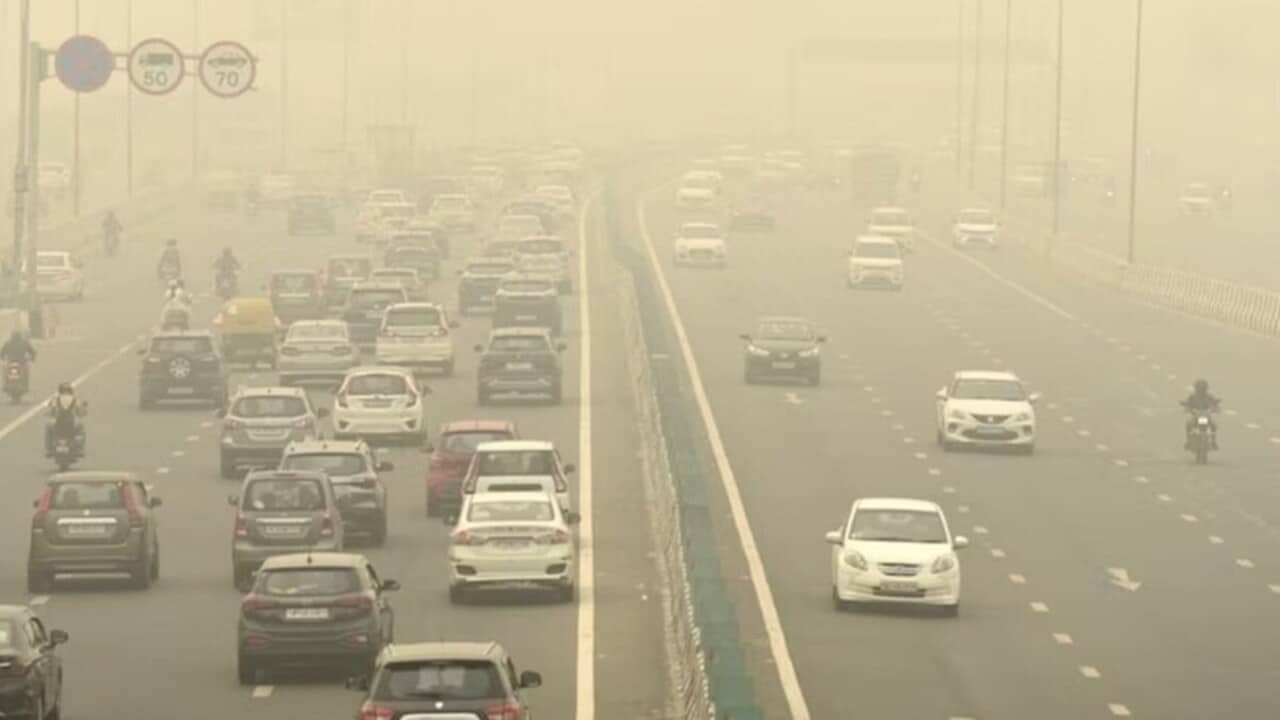
Authorities have officially enforced Stage-I measures of the Graded Response Action Plan (GRAP-1) across the Delhi-NCR region after air quality plummeted into the ‘poor’ category following Dussehra. Announced by the Commission for Air Quality Management (CAQM) on Wednesday, the proactive steps are designed to curb rising pollution levels and prevent further deterioration of the region’s air quality.
According to the Central Pollution Control Board (CPCB), Delhi’s Air Quality Index (AQI) was recorded at 233 during morning hours, placing it firmly in the ‘poor’ bracket (201-300). Implementation agencies across the National Capital Region have been directed to maintain a strict vigil, closely monitor compliance, and actively enforce the citizen charter under GRAP Stage-I. Residents are also urged to cooperate by minimizing polluting activities and adhering to local guidelines.
Meanwhile, weather conditions in the capital have begun to shift. The India Meteorological Department (IMD) reported a minimum temperature of 18 degrees Celsius at Safdarjung, Delhi’s primary weather station, which is below the seasonal average. Other monitoring stations—including Palam, Lodhi Road, Ridge, and Ayanagar—recorded minimum temperatures ranging between 17.7 and 19.1 degrees Celsius, accompanied by a forecasted maximum daytime temperature of around 31 degrees Celsius.
With dry weather prevailing and temperatures dropping, implementation agencies remain on high alert to ensure that pollution control mandates are rigorously executed across all sectors.