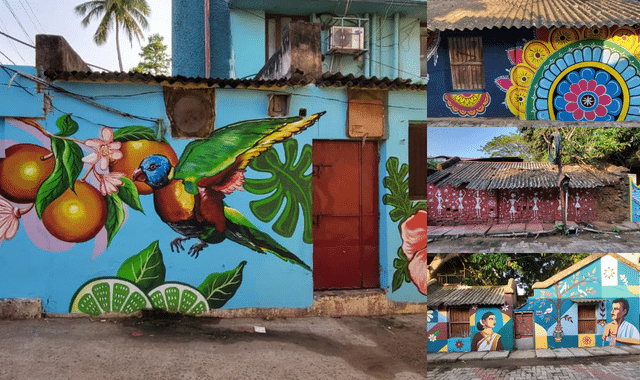
A neglected bylane in the heart of the city has been given a second life. In just two months, the Kataka Municipal Corporation (KMC) has turned Chuna Bhati Lane into the city’s first “smart lane” — not with a mega redevelopment, but with paint, lighting, a repaired road and a neighbourhood that refused to stay invisible.
Work began in June and wrapped up in the first week of August. About 40 households line the stretch in Ward No. 38. What residents once walked through as a dull, poorly kept passage is now a brighter, cleaner and more welcoming public space.
Walls that no longer look away
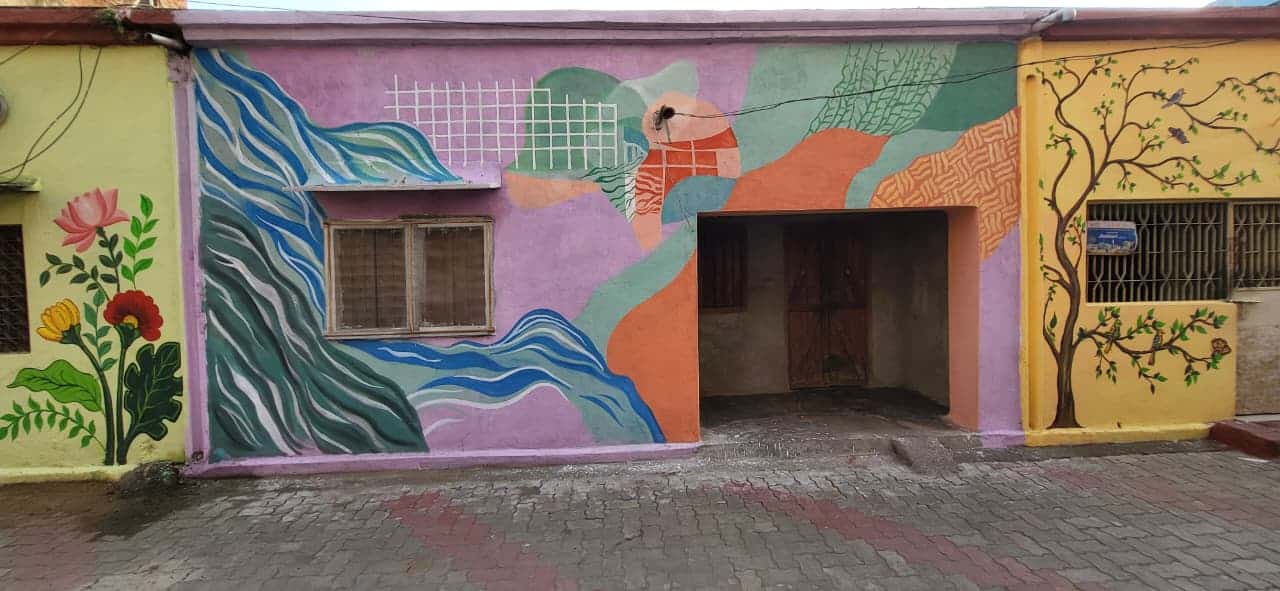
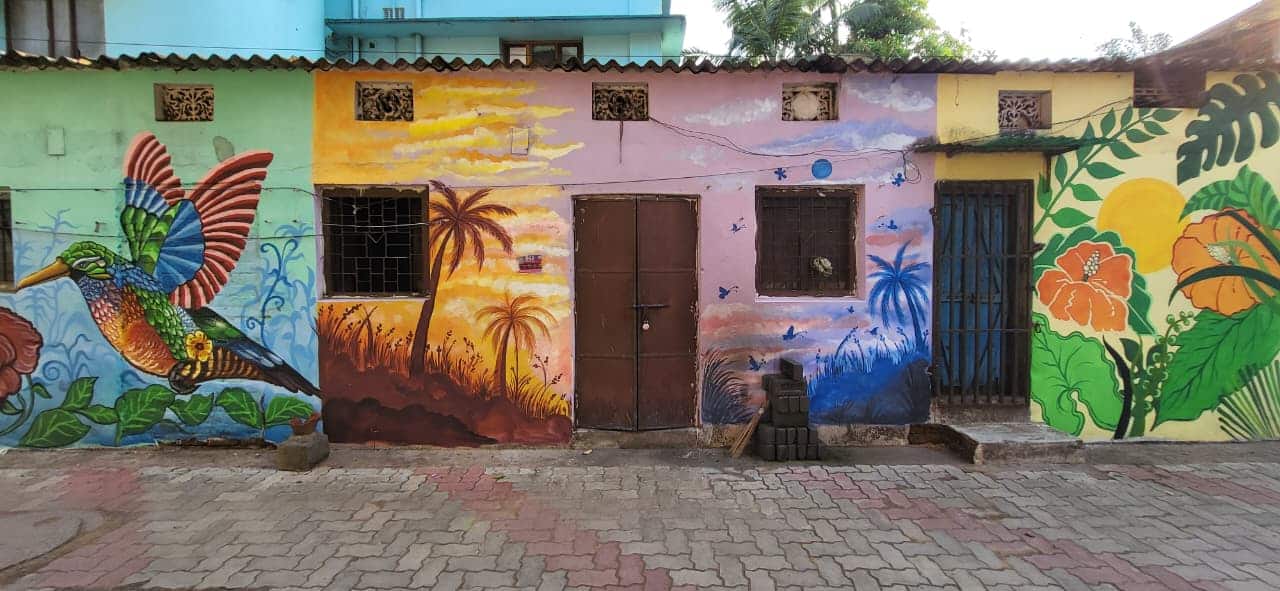
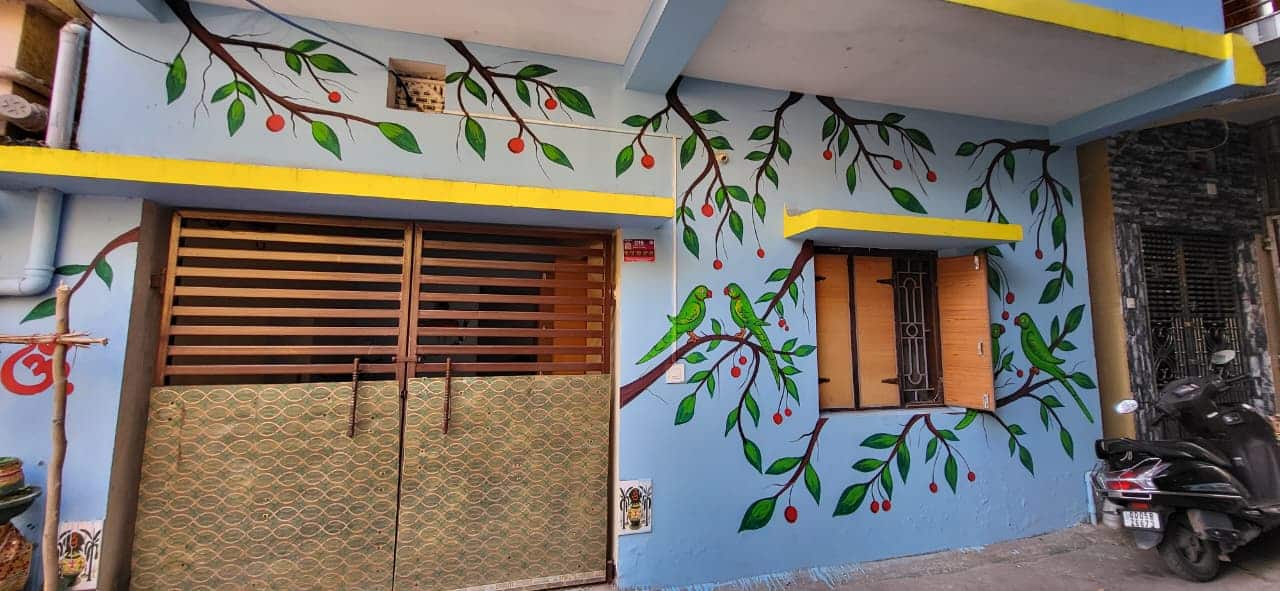
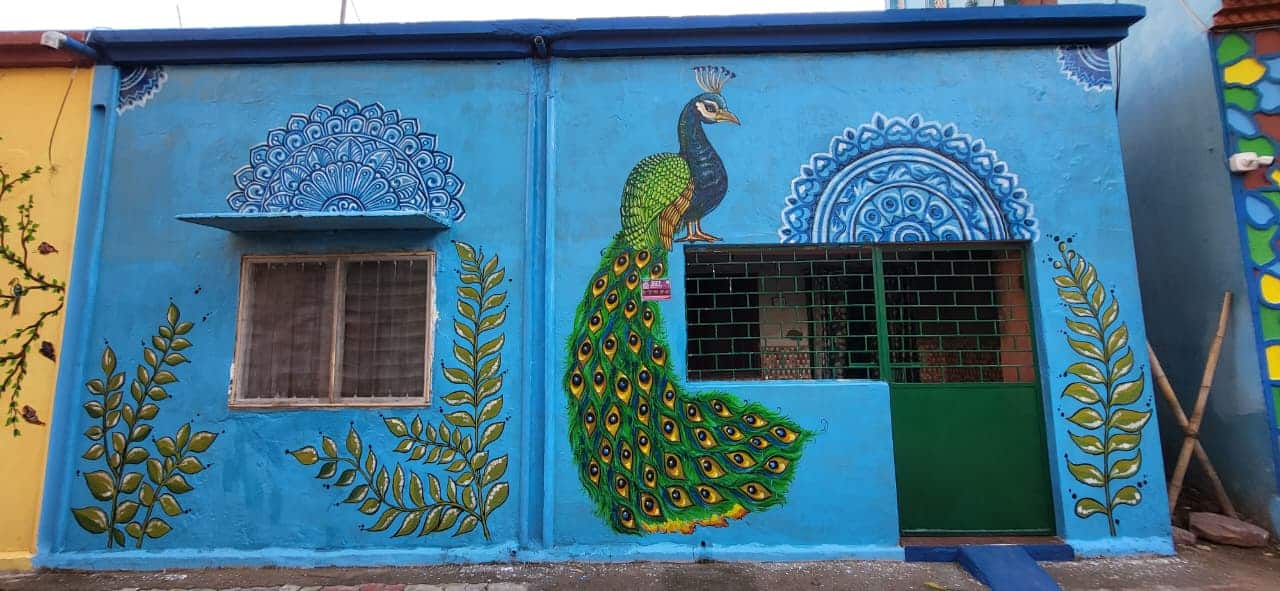
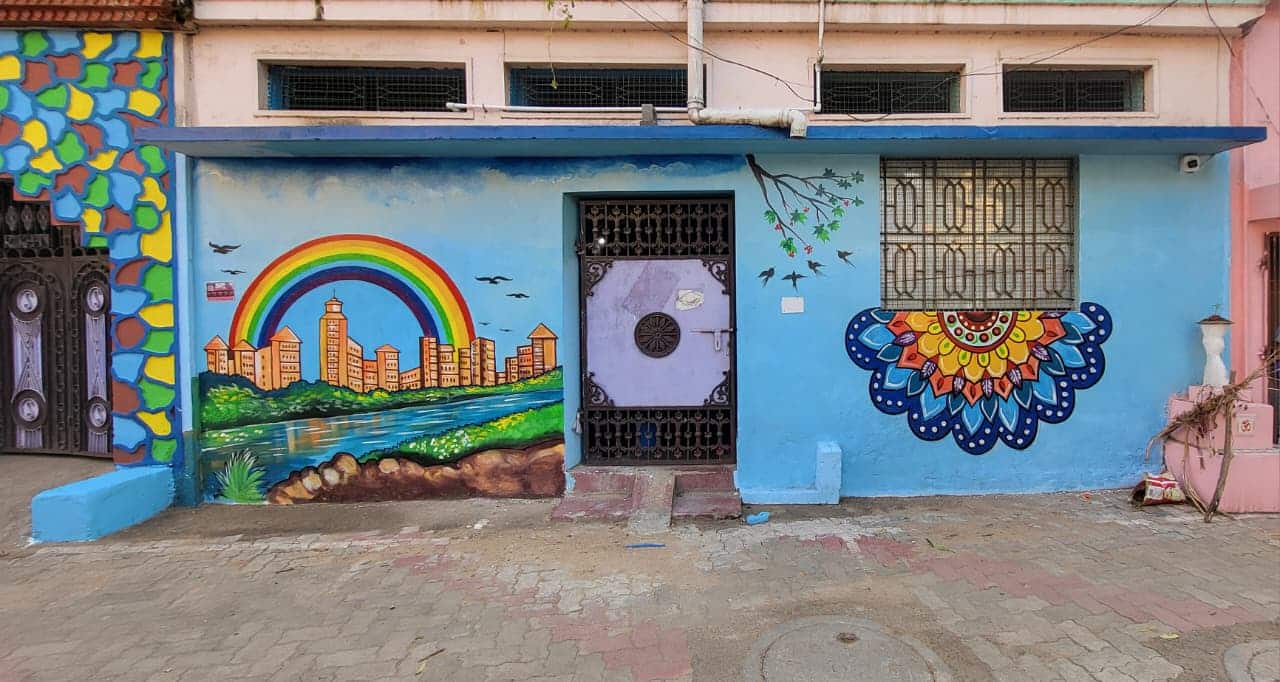
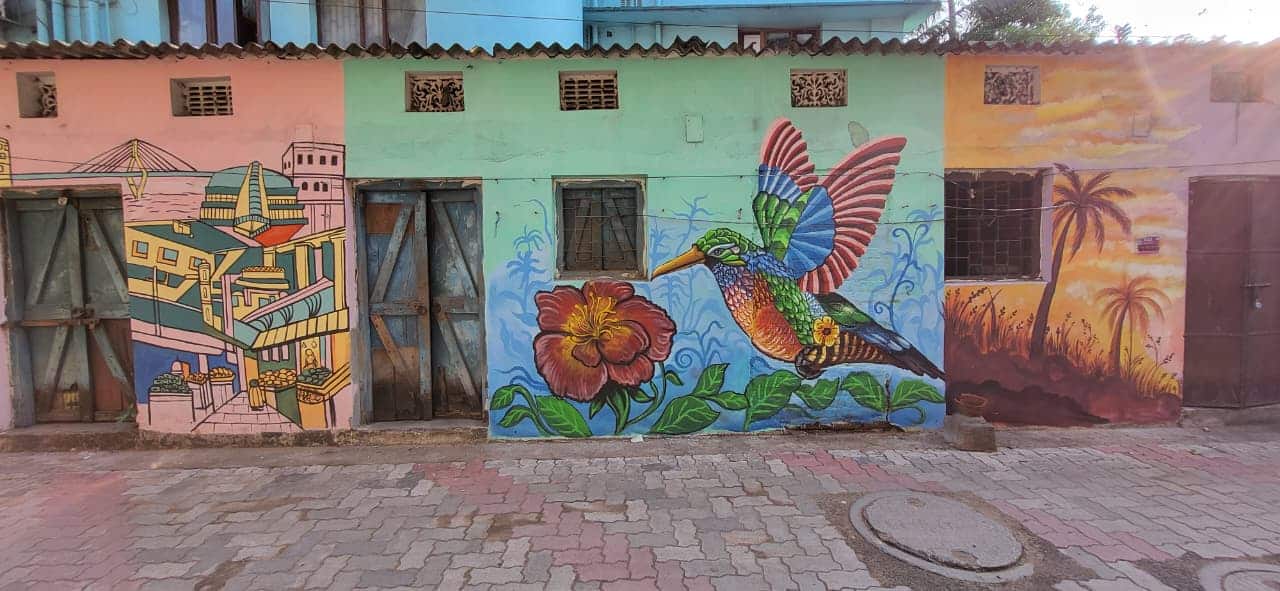
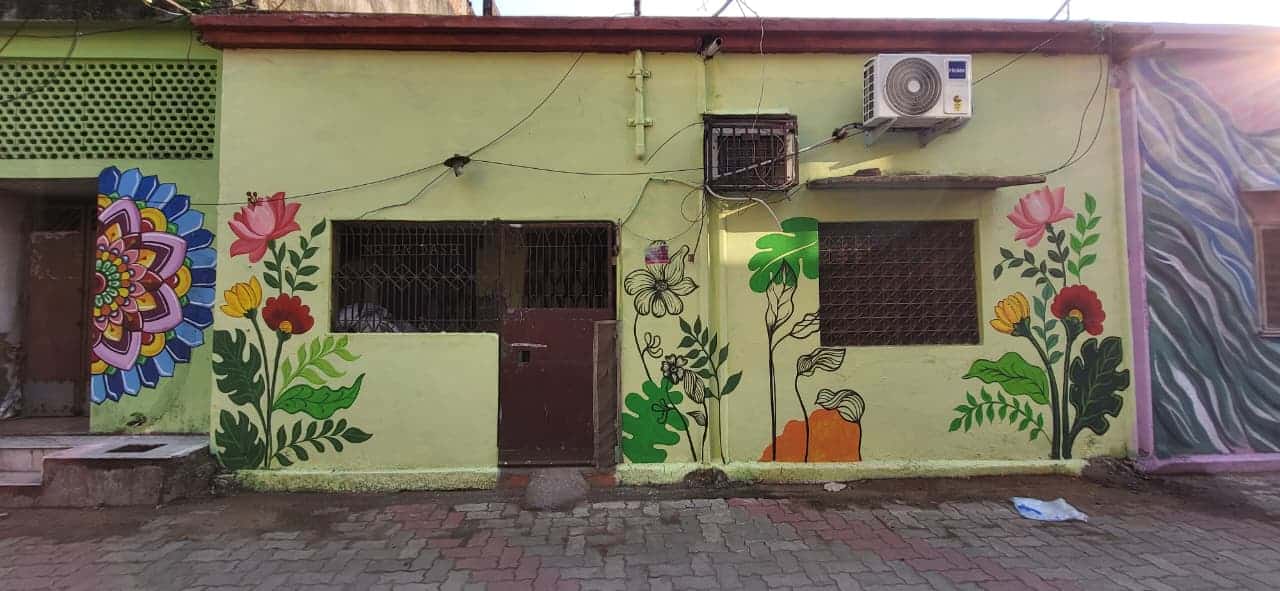
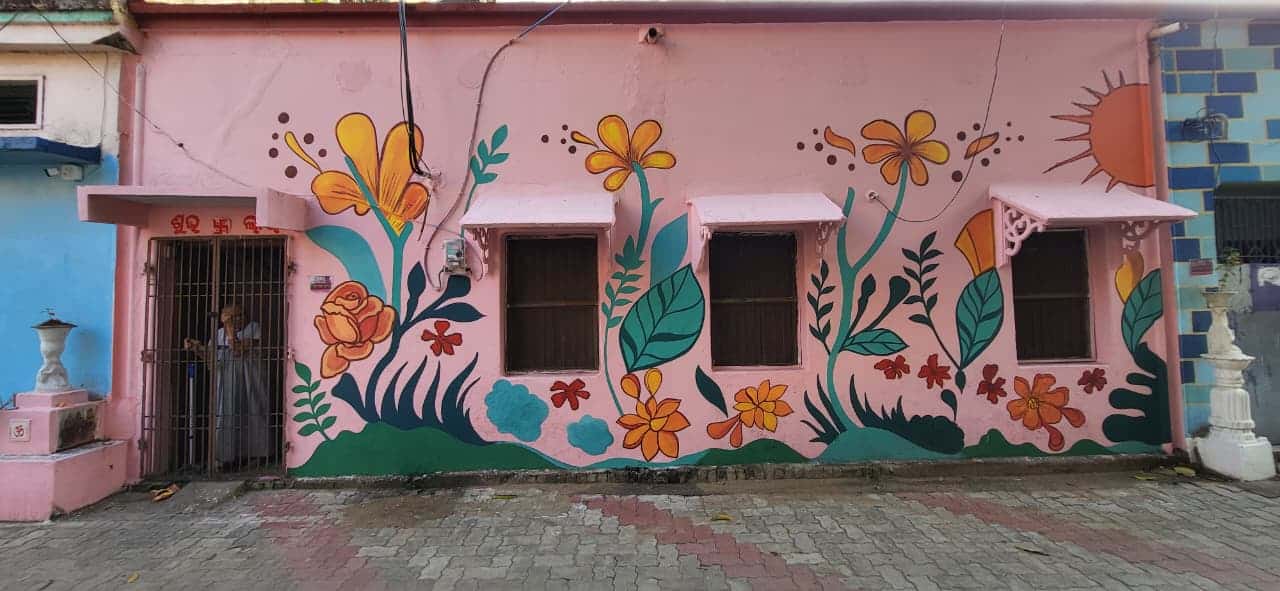
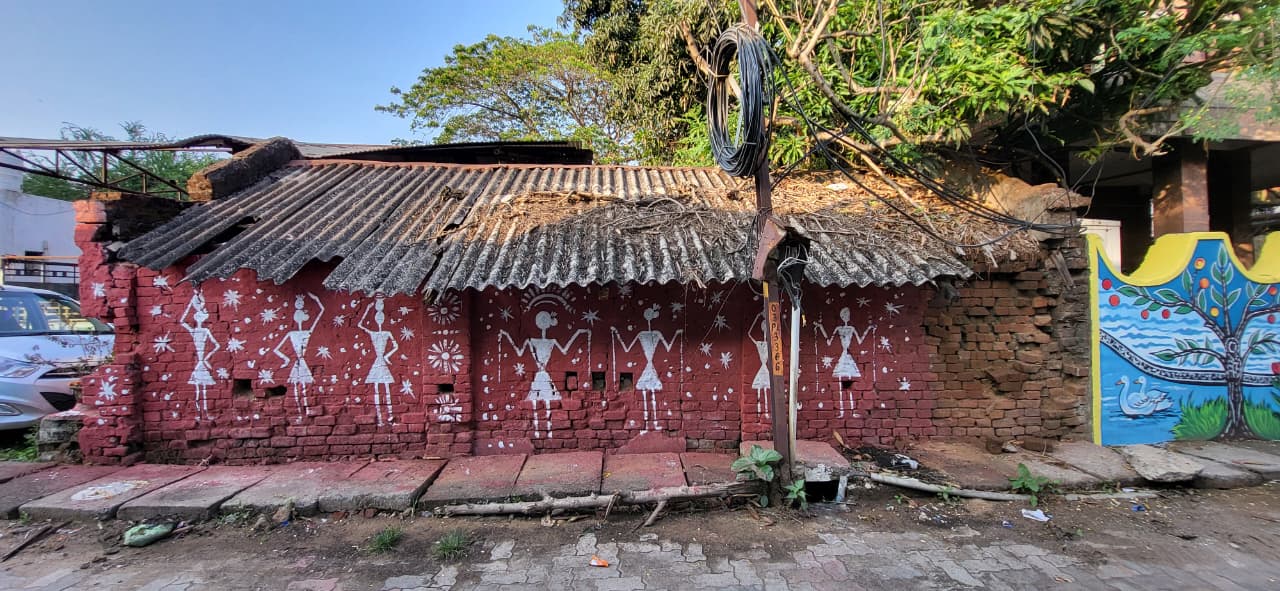
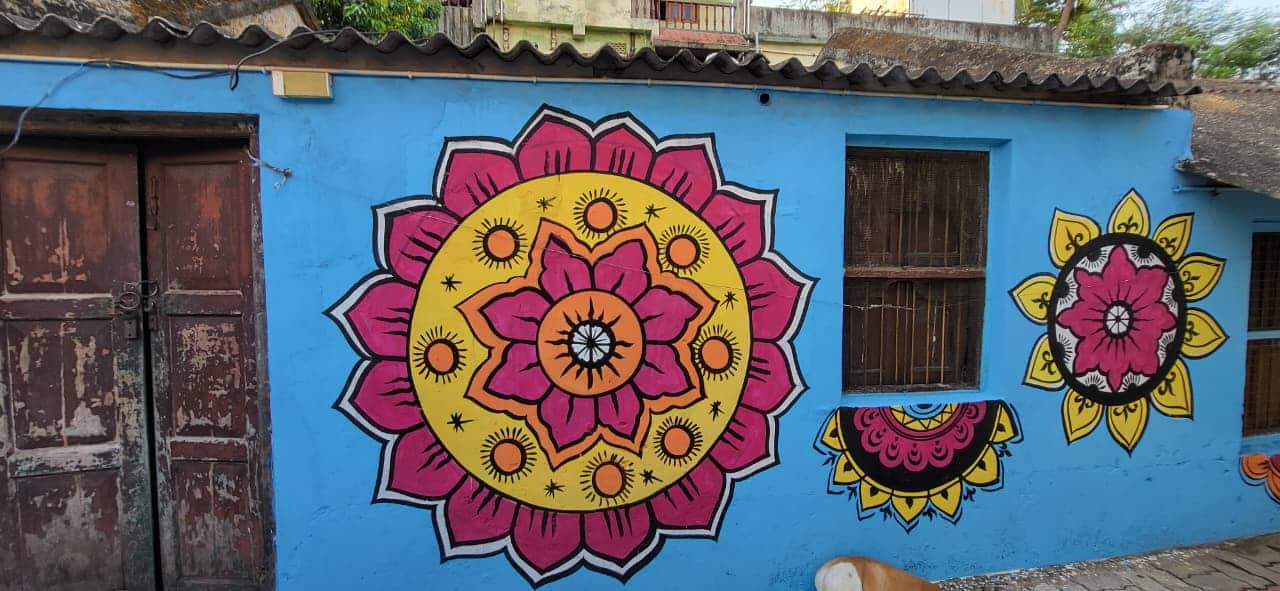
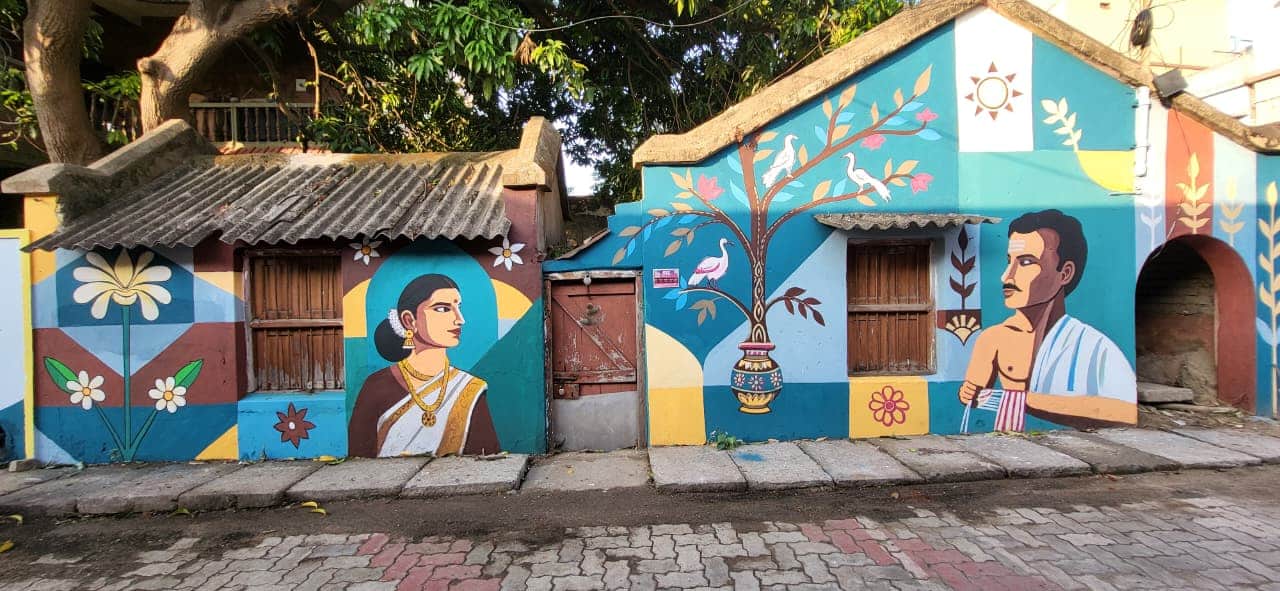
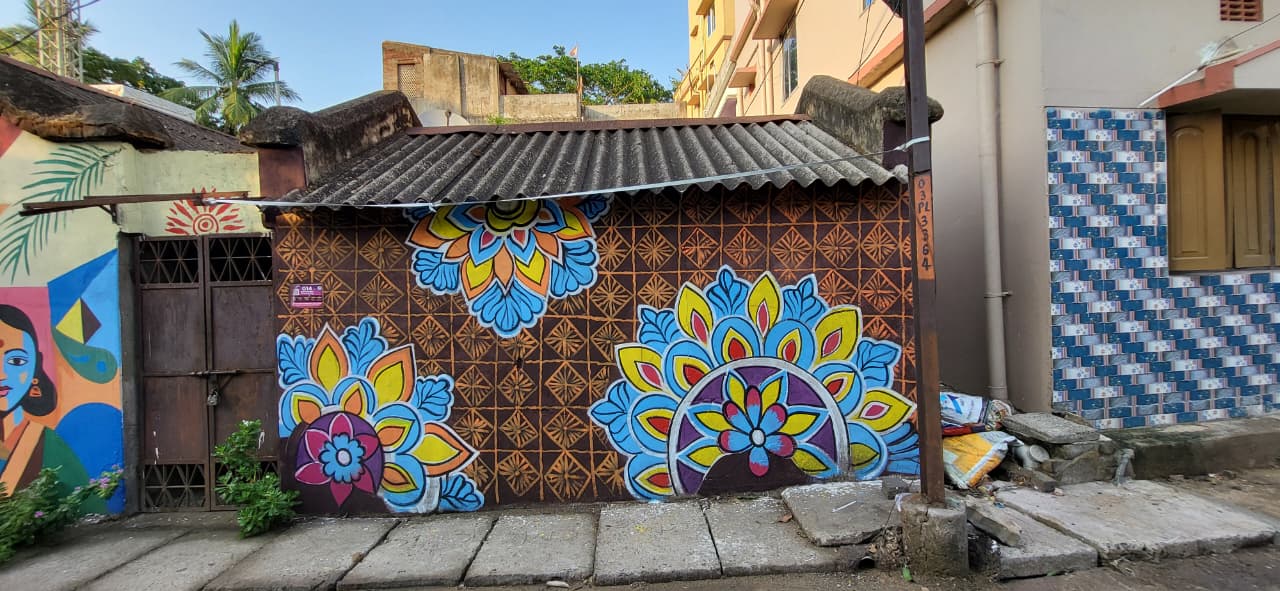
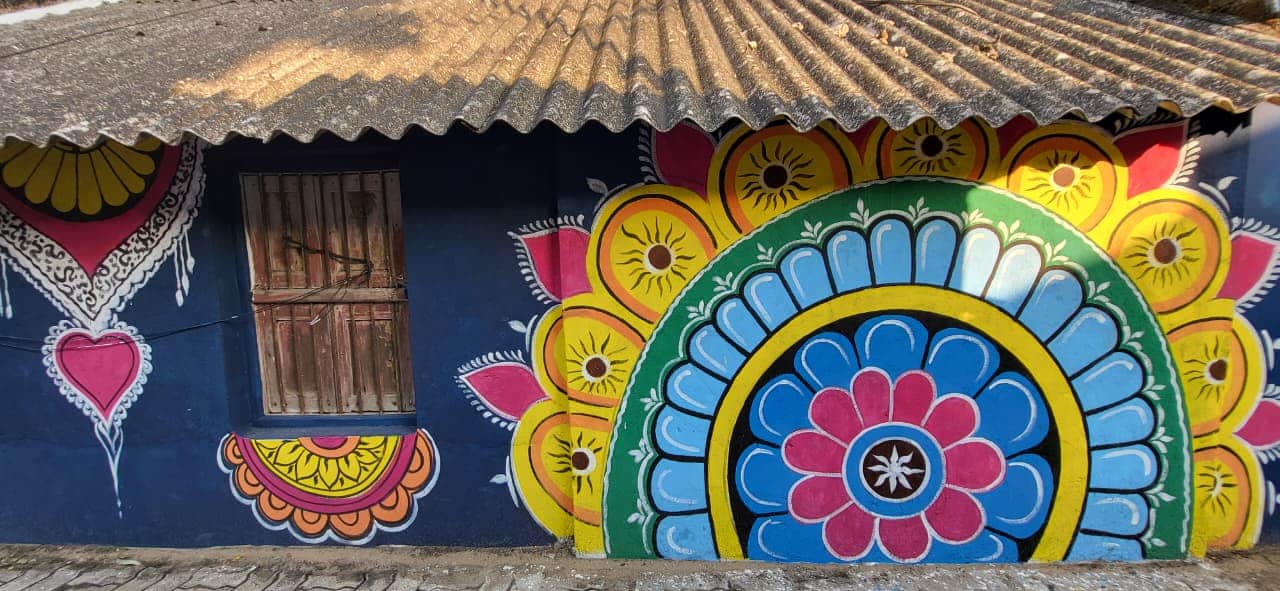
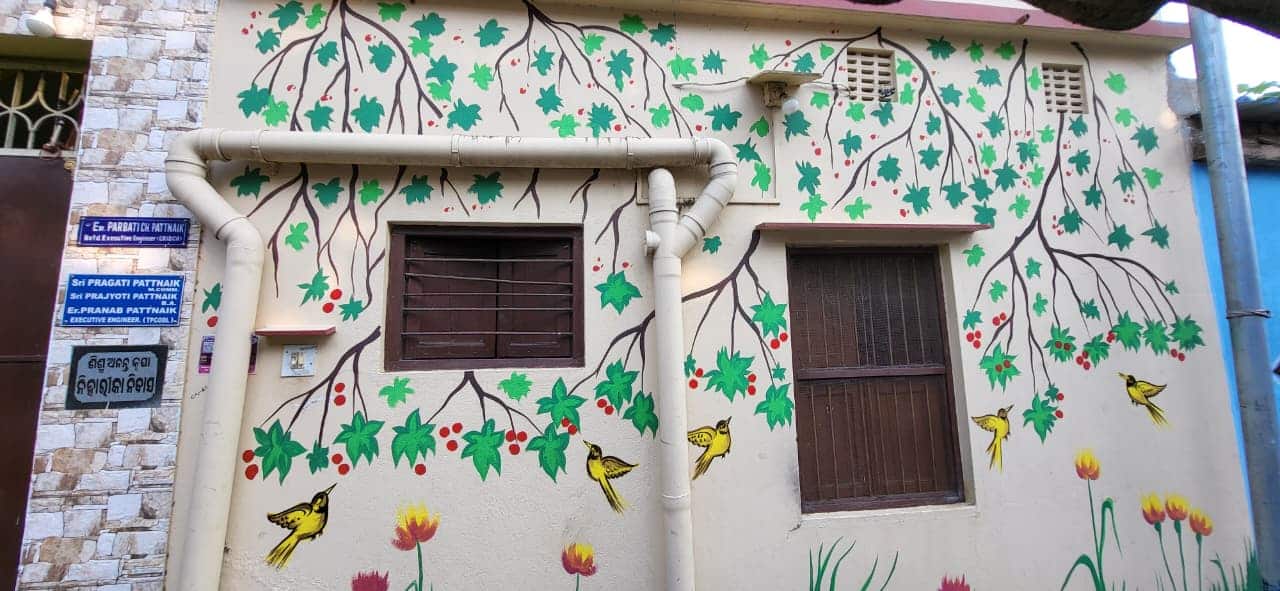
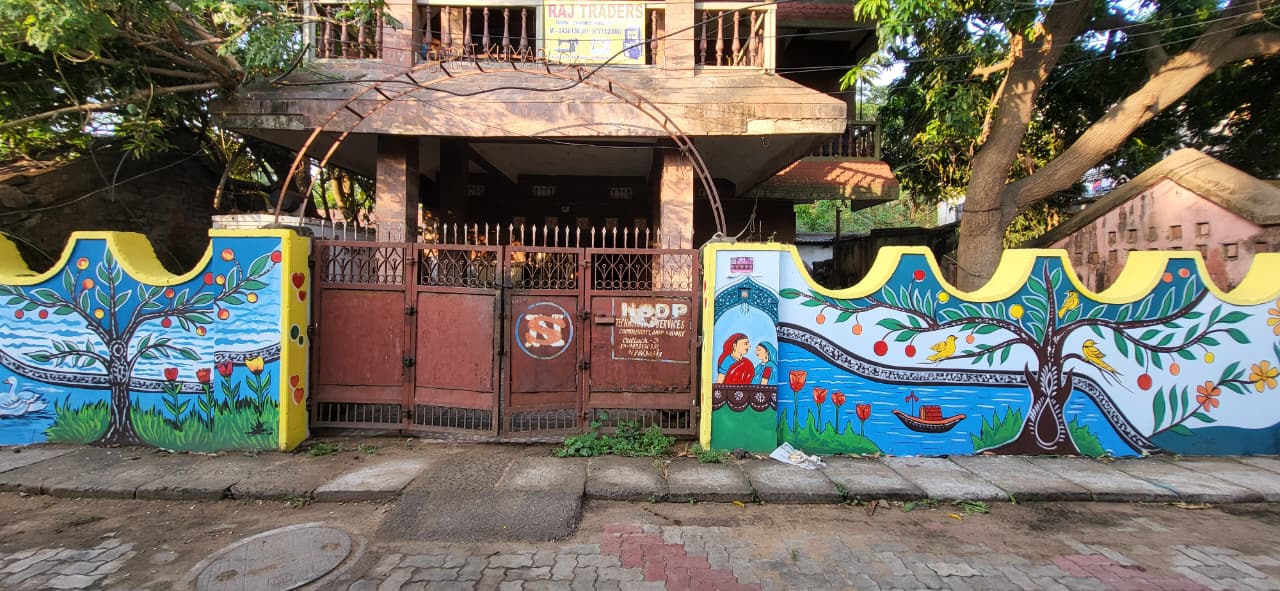
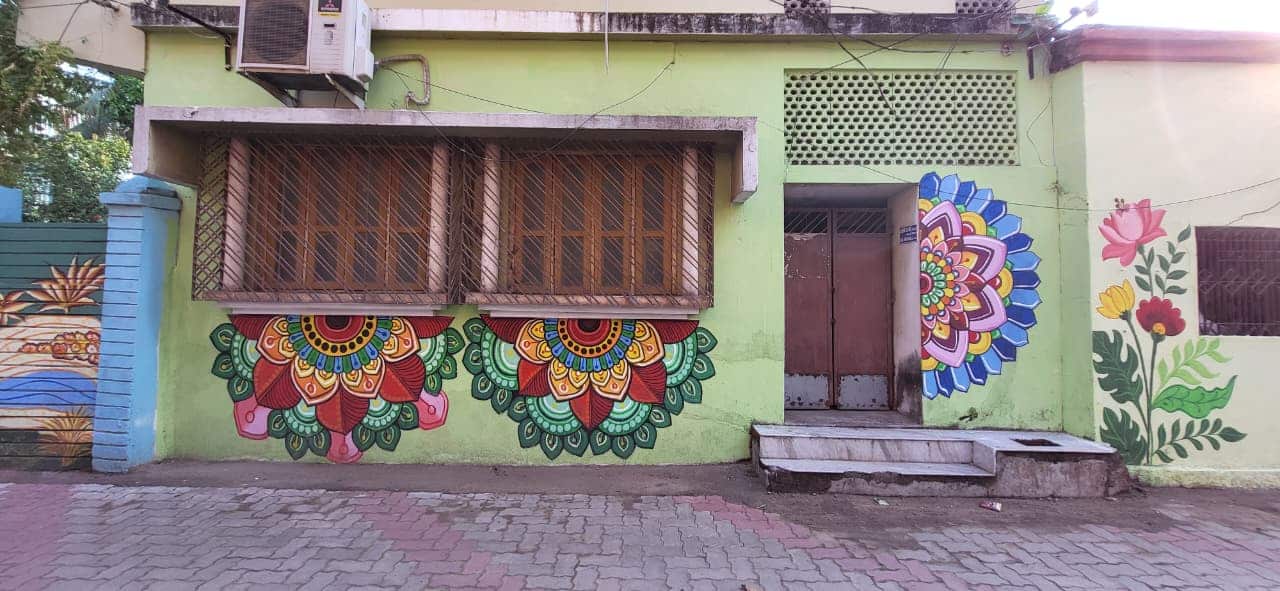
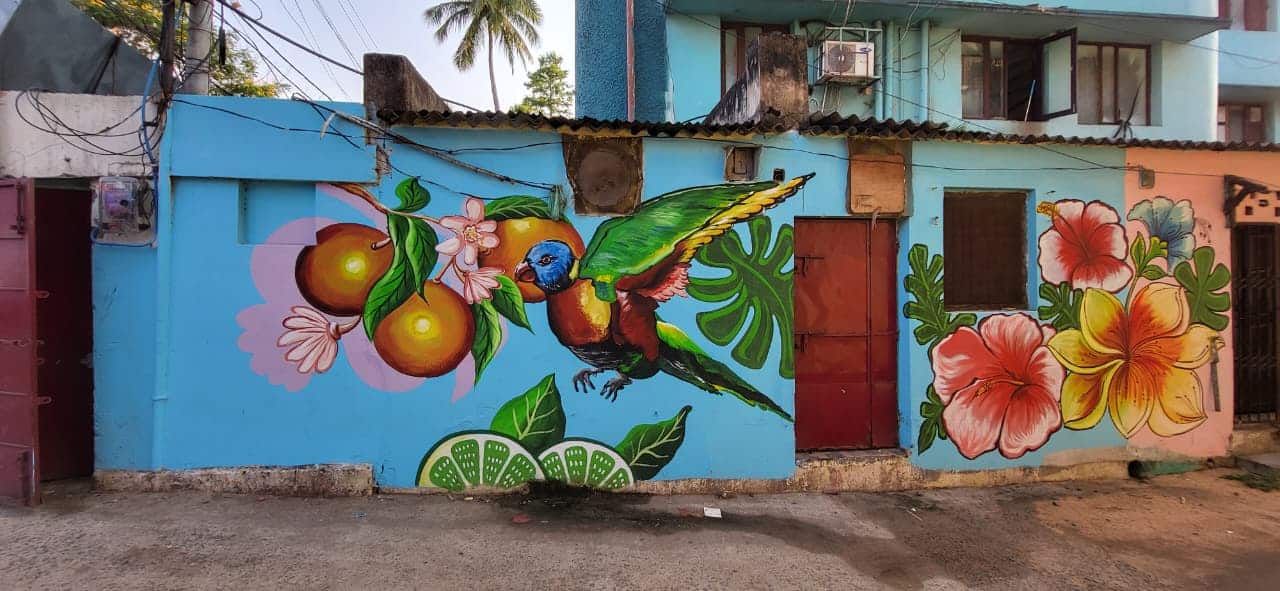
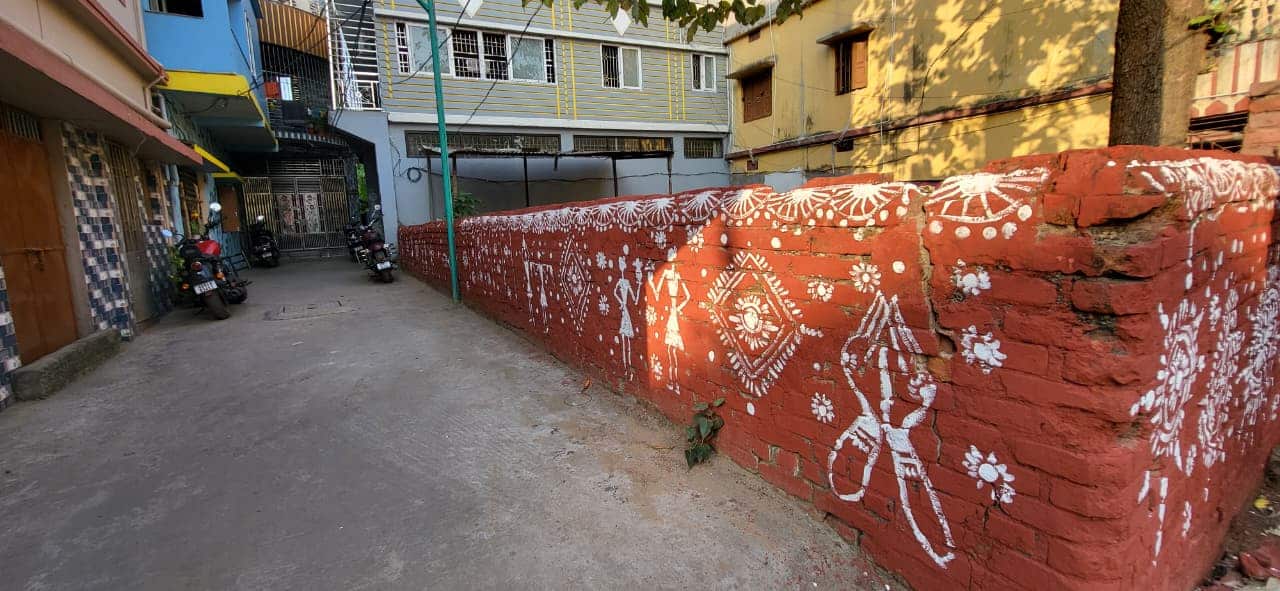
Eight artists were brought in to cover the lane’s walls. Flowers, birds, traditional motifs and other colourful designs now run along the stretch, giving the neighbourhood a character it never had on paper. The art is not decoration alone; it is the lane’s new signature.
Local residents were not spectators. They shared ideas for the design, compared concepts and sent them to the civic body. Those suggestions made it onto the walls. Young residents of the area also helped decide themes with house owners — from Odisha-inspired patterns to other motifs — before artists translated the choices into murals.
Not just a facelift
Beautification was only one layer. The road, earlier in poor condition, has been repaired and improved. Reports from the stretch also mention new tiling in place of the old surface and renovated drains — the kind of unglamorous work that decides whether a “smart” lane stays liveable after the cameras leave.
Lighting was treated as infrastructure, not an afterthought. Twenty-five LED lights have been installed along the lane, along with a streetlight, improving visibility after sunset and making evening movement safer for families.
Cleanliness received the same attention. Accumulated garbage was cleared, and the stretch was left looking and smelling like a place people would choose to walk through, not hurry past.
The civic body spent about Rs 25 lakh on developing Chuna Bhati as the city’s first smart lane, he said, stressing that resident participation and creativity made the project distinctive — and that the mix of art, cleanliness, lighting and basic infrastructure could be copied elsewhere in the city and the state.
A small street with a larger argument
Chuna Bhati Lane now has a distinct identity: painted walls, a better road, new lights and cleaner surroundings. Visitors from outside the locality have already begun to notice. For the households who live there, the change is practical as much as it is picturesque — easier nights, fewer heaps of waste, and a street that finally looks cared for.
The project’s quiet lesson is larger than one ward. Targeted civic work, paired with local ideas, can alter an overlooked neighbourhood without waiting for a grand master plan. Kataka’s first smart lane is still a lane. That is precisely why it matters.