Odisha’s Revenue and Disaster Management Department has told district collectors to stop treating the secretariat as a dumping ground for incomplete files.
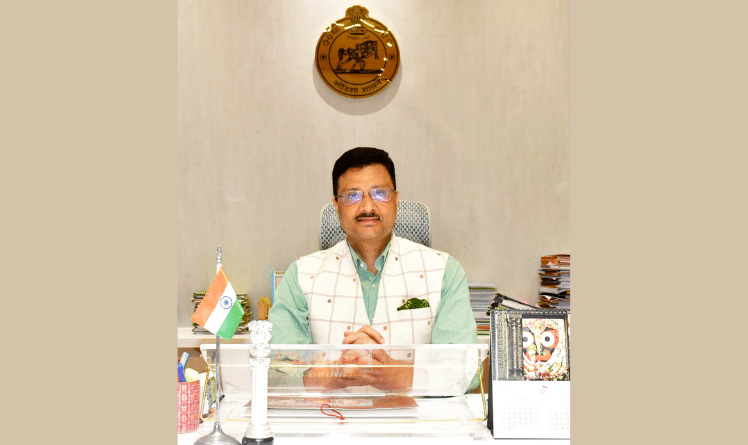
Additional Chief Secretary Dr Arabinda Kumar Padhee has issued a pointed directive: every proposal, clarification and court-related matter sent from the field must be fully examined at the district first, documented completely, and followed up on time. If delays in departmental work create legal or administrative trouble, the officer responsible will face action.
The department says it has seen the same pattern too often. Files arrive without enough review, without the required papers, or with thin facts. That triggers a chain of letters, more queries, and lost weeks. The new order is meant to break that cycle.
What every proposal must now contain
Padhee has made the checklist explicit. Each proposal should set out:
- the full background of the case
- the relevant law and rules
- a clear analysis of those provisions
- the collector’s or competent authority’s own view and recommendation
A file that merely forwards a problem without an opinion will no longer be treated as a finished job.
Court work cannot wait till the last hour
Special stress has been laid on litigation. Court orders, statutory deadlines and contempt matters must reach the department well before the clock runs out. Last-minute submissions will not be accepted.
For Writ Appeals in the Orissa High Court and Special Leave Petitions in the Supreme Court, collectors have been told to follow Law Department rules strictly. Delay in such cases is not a paperwork lapse; it can become a legal crisis.
Decide locally when the rule is already clear
The ACS has also drawn a line against unnecessary references. Where government rules and guidelines are unambiguous, districts should not park the file in Bhubaneswar for “clarification.” Collectors are expected to analyse the case and take a reasoned decision at their own level.
That is the other half of the order: speed at the top depends on courage and completeness at the district.
How files must now travel
All correspondence is to be sent through the department’s official email, revsec.od@od.gov.in. In genuine emergencies, the supporting papers must still be placed on record.
Collectors have further been asked to put in place a special district-level system to scrutinise proposals and review them regularly, so that incomplete files are caught before they leave the collectorate.
The warning at the end
The department’s message is blunt. If an incomplete or delayed proposal creates a legal or administrative problem, firm action will follow against the officer concerned.
For a department that handles land, disaster response and a heavy load of court work, the order is less a new policy than a demand for basic file hygiene: full facts, a clear recommendation, and time enough for the government to act.