On a day India marked Swachh Vayu Diwas, Raurkela walked away with the country’s cleanest mid-sized city title.
The industrial hub of western Odisha finished first in the 3 lakh–10 lakh population category of Swachh Vayu Sarvekshan 2026, beating 130 cities assessed under the National Clean Air Programme.
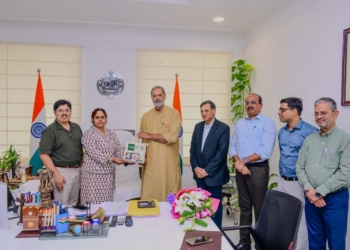
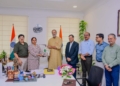
The Union Ministry of Environment, Forest and Climate Change announced the results at a special ceremony in the Ganga Auditorium of Indira Paryavaran Bhawan, New Delhi. Sundaragada Collector Dr Subhankar Mohapatra and Raurkela Municipal Corporation Commissioner Ms Dheenah Dastageer received the honours on behalf of the city.
It was not a single prize. Raurkela collected three awards. Besides the city-level first rank, Ward No. 13 stood first in the country in the under-10,000 population category. Ward No. 14 took third place at the state level in the same group. Officials called the triple win a tribute to sanitation workers, municipal staff and residents who have treated cleaner air as a civic mission, not a slogan.
The annual survey measures how cities cut pollution, manage waste, control dust and build public awareness. Its larger aim is “clean air for all.” For a steel town long associated with smoke and slag, the ranking is a sharp change of image.
Raurkela Municipal Corporation says the result did not come from one campaign. Solid waste is being segregated and handled more systematically. Old dumps are being cleared through biomining. A biomass pellet plant has been set up to stop open burning of refuse. Treated water from septic tanks and drains is reused through sprinklers. Mechanical sweepers clean roads at night to keep dust down. Construction and demolition debris is being managed instead of left to blow across streets. Air purifiers have been installed at four crowded spots to bring down PM2.5 and PM10. Regular awareness drives have tried to make residents partners rather than spectators.
Collector Mohapatra and Commissioner Dastageer thanked every Rourkela resident and every sanitation worker who kept the city cleaner day after day. They said the first-place finish is pride for Odisha as much as for the steel city, and that the work of holding the gains must continue.
On Clean Air Day, Rourkela did more than collect trophies. It offered a practical lesson: even a heavy-industry city can climb the national clean-air table if waste, dust, water reuse and public habit are treated as one job, not many.