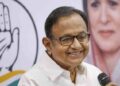
Nitish Kumar has resigned from the Bihar Legislative Council following his recent election to the Rajya Sabha, in accordance with constitutional provisions governing dual membership.
Kumar, who was elected to the Upper House of Parliament on March 16, stepped down on the final permissible day to comply with legal requirements.
Constitutional Mandate Behind the Resignation
Under the Prohibition of Simultaneous Membership Rules, 1950—framed under Articles 101 and 190 of the Constitution of India—an individual cannot hold membership in both Parliament and a state legislature simultaneously. The rules require one of the positions to be relinquished within a specified timeframe.
By resigning from the Legislative Council, Nitish Kumar has fulfilled this constitutional obligation.
Political Implications and Leadership Questions
Kumar’s resignation has intensified political discussions in Bihar, particularly regarding leadership dynamics and the possibility of changes in the Chief Minister’s position.
While no official announcement has been made regarding a successor, the development has drawn attention across political circles.
Other Expected Resignations
Alongside Kumar, Nitin Nabin, associated with the Bharatiya Janata Party, is also expected to resign from the Bihar Assembly to comply with similar constitutional provisions.
Party sources indicated that administrative formalities for these resignations are being completed.