The White House has declined to confirm reports suggesting potential negotiations between the United States and Iran in Pakistan, urging caution as speculation grows during the fourth week of the ongoing conflict.
Responding to media queries, White House Press Secretary Karoline Leavitt stated that any discussions regarding diplomatic engagement are highly sensitive and should not be treated as confirmed until officially announced. She emphasised that the situation remains fluid and that speculation surrounding potential meetings should not be considered final.
Recent reports from multiple international outlets had indicated that senior officials from both nations might meet in Islamabad to explore pathways toward de-escalation. These reports suggested that key US representatives, including Vice President JD Vance and senior envoy Steve Witkoff, could participate, alongside Iranian leadership figures.
However, no formal confirmation has been provided by either side. Iranian officials have also dismissed claims of ongoing or planned talks, reinforcing the uncertainty surrounding any diplomatic breakthrough.
The speculation comes at a critical time, as tensions between the two countries continue to escalate following a series of military strikes and retaliatory actions. The conflict has had far-reaching consequences, particularly impacting global energy markets due to disruptions in the Strait of Hormuz — a vital route for international oil shipments.
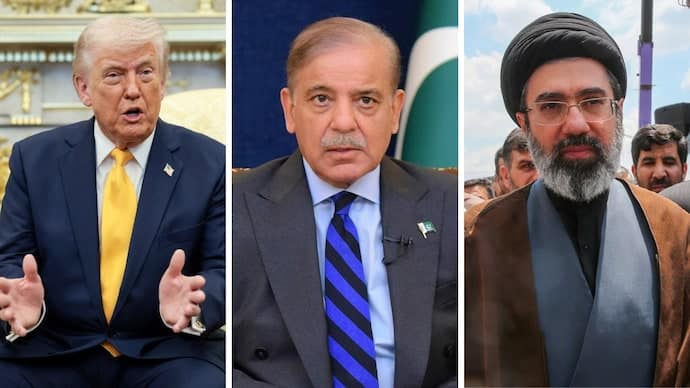
Pakistan’s Prime Minister Shehbaz Sharif has reportedly engaged in discussions with Iranian leadership, expressing willingness to support efforts aimed at restoring peace in the region. Despite these developments, there is no verified indication that Islamabad will host formal negotiations between the United States and Iran in the immediate future.
Meanwhile, US President Donald Trump has maintained that Iran is open to dialogue, although Iranian leaders have strongly denied such claims, labelling them as misinformation.
As geopolitical tensions persist, analysts suggest that any credible diplomatic progress will depend on formal, transparent communication from both governments. Until then, the situation remains uncertain, with global markets and policymakers closely monitoring developments.