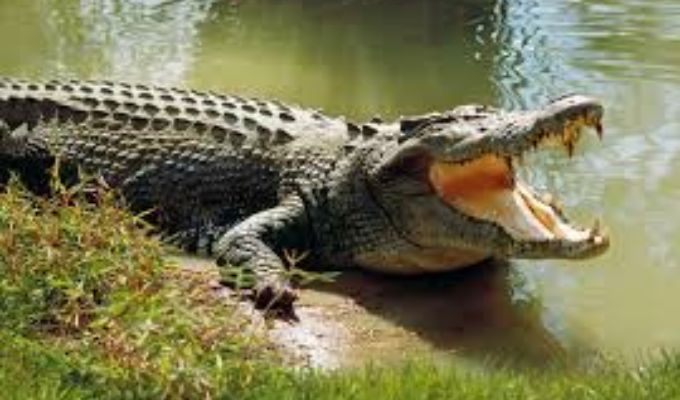
Forest officials launched the annual saltwater crocodile census at Odisha’s Bhitarkanika National Park on January 8, initiating a three-day operation to assess reptile populations across its river systems.
The reserve was closed to tourists from January 8 to 10 to ensure safety during the exercise. A total of 24 teams, each with four to five members, began systematic surveys across rivers and creeks.
Earlier, the Forest Department considered using drone technology to replace the traditional boat-based method, aiming to reduce the census duration from ten days to three. However, officials withdrew the proposal after concerns about accuracy. Observers questioned whether a reliable crocodile count could be achieved within such a shortened timeline.
Forest Range Officer Bharadaraj Gaonkar confirmed that census staff received training and orientation before deployment. He stated that field surveys would run until January 10, with data compilation scheduled for January 11 and 12. Findings will then be forwarded to higher authorities, and tourist activities will resume after completion.
The census focuses on evaluating population health, conservation effectiveness, habitat use, and management planning. Officials emphasised that the exercise remains crucial for monitoring Bhitarkanika’s saltwater crocodile population, which plays a vital role in the park’s ecosystem.
This year’s census highlights the balance between tradition and technology in wildlife monitoring. While drones promised efficiency, the administration opted for proven methods to ensure credibility. The outcome will shape conservation strategies and reinforce Bhitarkanika’s reputation as a critical habitat for saltwater crocodiles.