The Ministry of Rural Development has officially notified the Schedule of Permissible Works under the Viksit Bharat – Guarantee for Rozgar and Ajeevika Mission (Gramin) [VB–G RAM G] Act, 2025.
The new framework outlines 375 permissible works, marking a substantial 41% expansion compared to the 266 works available under the previous scheme framework.
The newly structured schedule moves beyond conventional asset types to align wage employment with durable infrastructure and measurable developmental outcomes. All projects will follow a decentralised, bottom-up planning model via Viksit Gram Panchayat Plans, approved by Gram Sabhas, and digitally tracked through the Viksit Bharat National Rural Infrastructure Stack.
Four Pillars of Rural Transformation
The expanded works are systematically organised around four core thematic pillars:
- Water Security (128 Works): Holding the highest share, this pillar focuses on water conservation, check dams, rejuvenation of water bodies, trenching, drip irrigation, and innovative interventions like ice-stupas and artificial glaciers.
- Core Rural Infrastructure (111 Works): Aims to fortify civic amenities such as solar street lighting, greywater treatment units, waste-to-wealth recycling plants, community libraries, health centres, and school laboratory upgrades.
- Livelihood-Related Infrastructure (98 Works): Accounts for 26% of total works, emphasising agro-processing units, cold storage, market yards, dairy infrastructure, poly-houses, and facilities for Self-Help Groups (SHGs) like SHE Marts.
- Disaster Preparedness & Climate Resilience (38 Works): A dedicated category introduced for the first time to combat extreme weather events, covering flood relief shelters, retaining walls, embankment strengthening, and forest-fire management lines.
Targeted Support for Farmers and Vulnerable Groups
The framework prioritises inclusive growth by carving out dedicated provisions for agriculture, vulnerable households, women, and youth. It includes 181 agriculture and allied works (featuring 52 individual beneficiary assets), 107 works targeted at Antyodaya/vulnerable households, and 36 works each dedicated to Nari Shakti and Yuva Shakti to encourage women’s collectives and rural entrepreneurship.
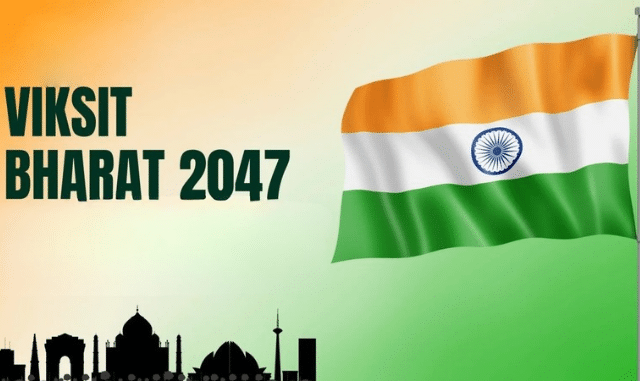
Furthermore, explicit guidelines mandate Divyangjan accessibility, such as ramps and rails in public structures, paving the way for a truly inclusive Viksit Bharat @2047.