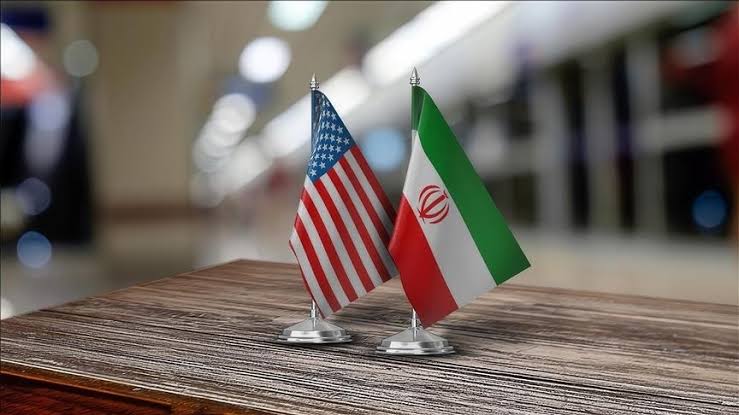
A temporary ceasefire between the United States and Iran has brought a brief pause to rising tensions in the Middle East. The agreement comes after days of intense military exchanges that raised global concerns about a wider conflict.
The ceasefire, announced by US President Donald Trump, is expected to last for two weeks. It follows urgent diplomatic efforts led by Shehbaz Sharif. During this period, both sides have agreed to reduce military actions and allow space for negotiations.
A key part of the agreement involves reopening the Strait of Hormuz. This route is vital for global oil supply, carrying nearly one-fifth of the world’s petroleum shipments. Its closure had raised fears of rising fuel prices and economic instability worldwide.
In the hours leading up to the ceasefire, the situation remained highly volatile. US and Israeli forces carried out strikes on critical infrastructure in Iran, including energy facilities and transport networks. Iran responded with missile attacks targeting military and energy sites across the region.
Despite the ceasefire, tensions remain. Israeli Prime Minister Benjamin Netanyahu has clarified that military operations linked to Lebanon will continue. This indicates that while the pause applies to Iran, conflict in other areas may persist.
Iran has also taken unusual steps to protect its infrastructure. Officials have encouraged citizens, including athletes and artists, to form peaceful human chains around key facilities. This move reflects growing concerns about further attacks.
Global leaders continue to call for restraint. Economic experts warn that prolonged instability could affect energy markets, trade routes, and inflation levels worldwide. Indian Finance Minister Nirmala Sitharaman recently described the situation as a “systemic tremor” with far-reaching consequences.
While the ceasefire offers temporary relief, the situation remains fragile. Any violation could quickly escalate tensions again. Ongoing diplomatic talks will play a critical role in determining whether a longer-term peace solution can be achieved.