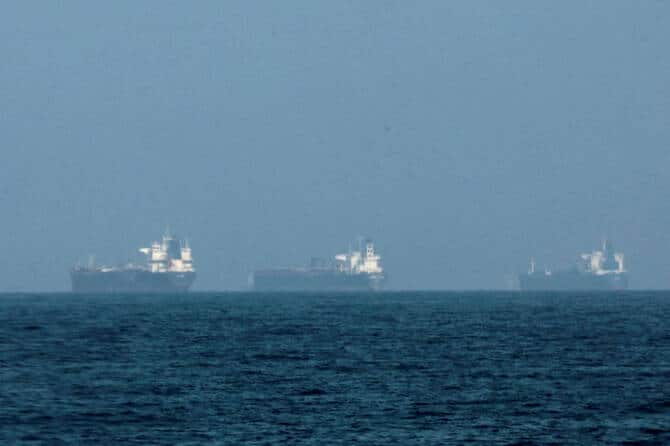
The United States military said it destroyed 16 Iranian mine-laying vessels near the strategically important Strait of Hormuz on Tuesday. The announcement comes as tensions continue to rise in the ongoing Middle East conflict.
According to the US military, the vessels were reportedly attempting to deploy naval mines in the waterway. Officials also released unclassified footage showing several of the targeted boats during the operation.
The Strait of Hormuz is one of the world’s most critical maritime routes, carrying nearly 20 percent of global oil shipments.
Trump Warns Iran of Severe Military Response
Donald Trump warned that the United States would respond with unprecedented force if Iran attempted to block the vital shipping route.
However, the US president also noted that there were no confirmed reports that Iran had successfully planted mines in the waterway.
The warning came after the US military reported increasing activity from vessels believed to be operated by the Islamic Revolutionary Guard Corps.
Strategic Importance of the Strait of Hormuz
The Strait of Hormuz is widely considered the world’s most important energy chokepoint. It connects the Persian Gulf with the Gulf of Oman and serves as a crucial route for oil exports from several Gulf nations.
Disruption in this narrow shipping lane could significantly impact global energy markets, as major oil producers rely on it to transport crude oil to international markets.
Reports suggest that the ongoing conflict in the region has already created uncertainty in global energy supply chains.
Conflict Intensifies Across the Region
The conflict, which has now entered its 11th day, has led to escalating rhetoric and military activity across the Middle East.
Pete Hegseth, the US Defense Secretary, warned that the most intense phase of the conflict may still lie ahead.
Iran has also launched attacks targeting energy infrastructure and military installations linked to the United States and its allies. Analysts believe these actions aim to create economic pressure by threatening global oil flows.
Meanwhile, Iran has carried out strikes against Israel and US military bases across the region.
Impact on Global Markets
Despite the rising tensions, financial markets remained relatively stable. The S&P 500 and other major indices showed limited movement as investors waited for clearer signals about the direction of the conflict.
Oil prices, which surged earlier in the week amid fears of supply disruptions, eased slightly but remained volatile.
Experts warn that any prolonged disruption in the Strait of Hormuz could trigger major shocks in global energy markets.
Civilian Impact in Iran and Lebanon
Residents in Tehran reported some of the heaviest airstrikes since the conflict began. Witnesses described residential areas being hit during the attacks.
Reports indicate that tens of thousands of people have moved to rural areas seeking safety.
Meanwhile, airstrikes in southern Lebanon reportedly killed several people, including medical workers responding to earlier attacks, according to local health authorities.