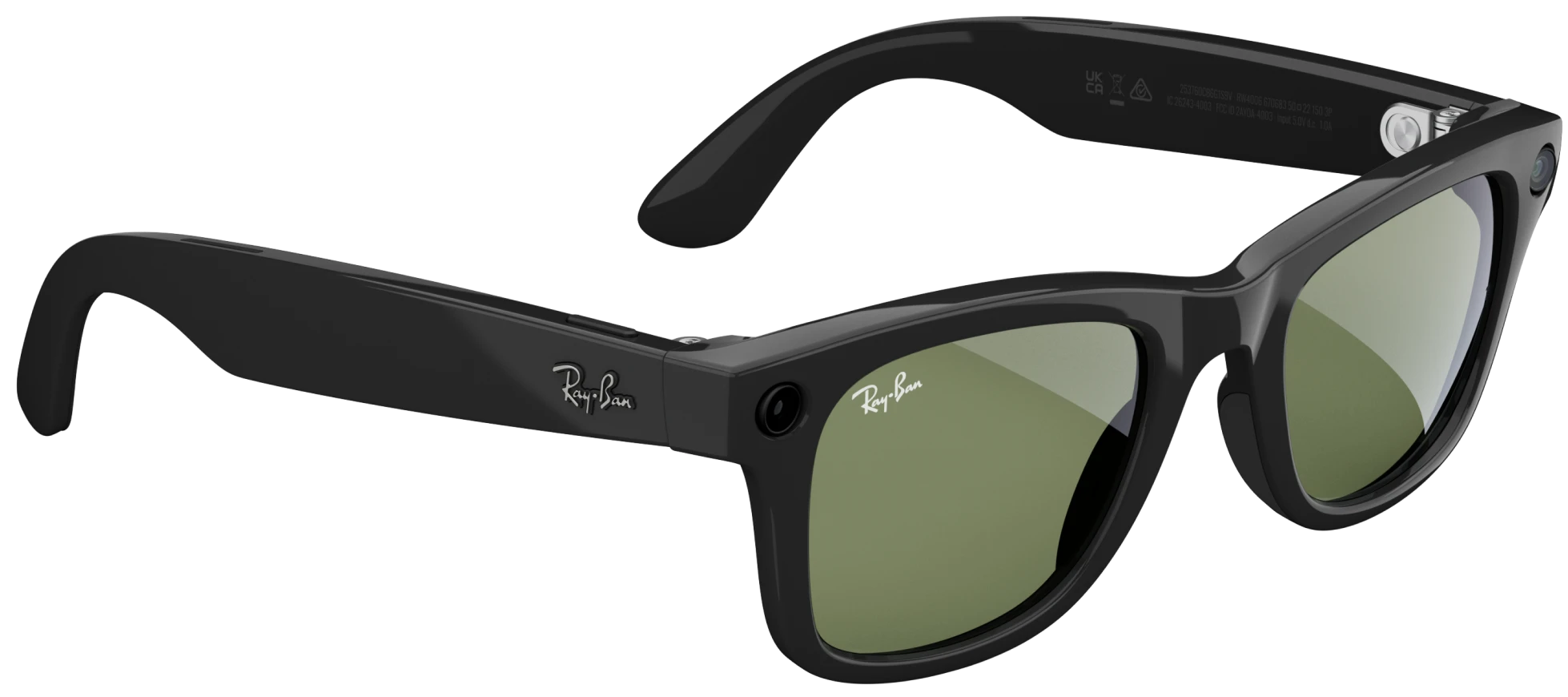
The latest wave in consumer wearable technology has arrived on high streets, parks, and public squares, but reaction to its rapid spread remains sharply divided.
Equipped with hands-free AI interaction, built-in call functionality, and discreet cameras built directly into the frame, smart glasses are quickly becoming a favorite tool for creators. However, their seamless ability to capture photo and video with a simple tap of the temple has triggered widespread concerns surrounding consent and surveillance in public spaces.
Wetherspoons, which operates nearly 800 pubs across the UK, has introduced strict bans prohibiting promoters from wearing smart glasses to record inside its establishments. Simultaneously, women’s rights campaigners have highlighted the risk of discrete recording devices being exploited for harassment and voyeurism.
Despite these pushbacks, market demand continues to surge. Meta’s Ray-Ban line currently leads the market, with the tech giant confirming over seven million pairs sold to date. Industry analysts project that total sales across all smart glass manufacturers could reach 100 million units in the coming years.
For social media creators, the hands-free form factor offers an unparalleled perspective for content creation. Pearse Vallely, a 31-year-old Belfast-based creator, relies on his Meta Ray-Ban glasses to capture spontaneous, lighthearted street interactions that he posts to platforms like TikTok and Instagram—with one Belfast video alone garnering 600,000 views.

Vallely maintains that the success of his content relies on good intentions and transparency. He notes that the visible LED light indicator on the glasses—designed to pulse when recording—often alerts people that they are being filmed.
“I think it’s because of the nature of my conversation with them. They know I’m not making an eejit out of them, I’m doing it in a positive way,” Vallely explained, adding that he makes an effort to inform people after filming whenever possible and has never refused a request to take down a video.
To counter privacy critics, Meta highlighted built-in safeguards, including a mandatory pulsing white recording light and a camera flash—features standard smartphones lack. Meta also pushed firmware updates designed to disable the camera entirely if the external indicator light is covered or tampered with.
Under current Northern Ireland law, filming individuals in public places—even discreetly—is generally legal, as individuals do not maintain a reasonable expectation of privacy in public settings. Legal boundaries are crossed only when recordings constitute stalking, harassment, voyeurism, or occur in places where privacy is legally expected.
As adoption rates climb toward projected tens of millions, balance between digital spontaneity and individual rights remains unresolved. For creators like Vallely, the tech serves as a tool to rebuild community connection: “It’s okay to have a 30-second conversation with someone. I think that’s something we’re losing due to technology, and I’m trying to use technology to spin it around.”