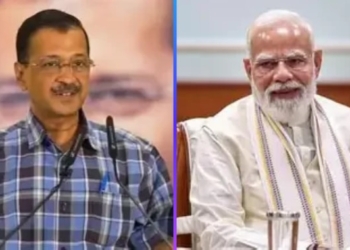
In a sharp exchange that has reignited debate over the Rashtriya Swayamsevak Sangh’s (RSS) legal and financial transparency, Karnataka Home Minister Priyank Kharge has formally written to RSS chief Mohan Bhagwat demanding details of the organisation’s registration, funding sources, expenditure, and office-bearers.
Kharge argued that an entity with over 60,000 shakhas in Karnataka alone, alongside thousands of weekly and monthly gatherings, cannot remain outside the purview of statutory oversight.
Kharge’s letter pressed for clarity on whether the RSS pays taxes, its constitutional basis for operating without registration, and its compliance with Indian laws. He insisted that in a constitutional democracy, no organisation should remain above scrutiny, especially one with such extensive reach and influence.
Responding to the demand, Mohan Bhagwat dismissed the move as “politically motivated gimmicks.” He asserted that the RSS does not require registration since it neither accepts government funding nor functions as a political party. Bhagwat reminded that the organisation has operated openly for a century and had previously submitted its constitution to the government without being asked to register. He accused the Karnataka government of attempting to sow confusion among the public.
The RSS, which is not formally registered under Indian statutory law as a society, trust, NGO, or political party, has been treated by courts and the Income Tax Department as an association of individuals, granting it tax exemptions. This legal position has long shielded the organisation from statutory obligations that apply to other entities.
The clash underscores the political undertone of the debate: Kharge’s push for transparency reflects a demand for accountability, while Bhagwat’s rebuttal frames the issue as an unnecessary political provocation. As the controversy unfolds, it raises broader questions about the role and regulation of mass organisations in India’s democratic framework.